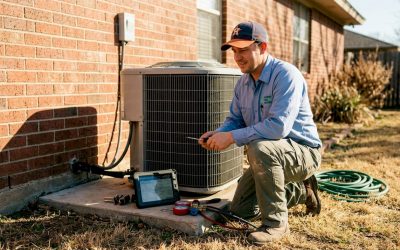
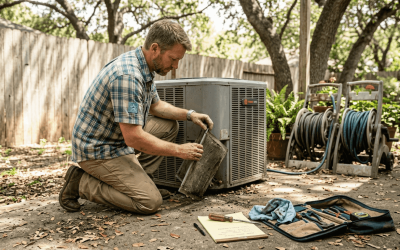
Strange sounds, uneven temperatures, and sudden spikes in energy bills are more than just everyday annoyances. Leaky ducts alone can waste up to 30 percent of conditioned air, driving costs through the roof and straining your HVAC system. Ignoring these early warning signs risks painful breakdowns and expensive repairs. Spotting the hidden clues your system reveals can help you solve small problems before they turn into major headaches.
Quick Summary
| Takeaway | Explanation |
|---|---|
| 1. Listen for unusual HVAC noises. | Strange sounds indicate potential mechanical issues like broken parts or worn bearings that need immediate attention. |
| 2. Address uneven cooling or heating. | Temperature variations across rooms signal problems such as blocked ductwork or poor insulation affecting system efficiency. |
| 3. Monitor your energy bills closely. | Rising energy costs without increased usage may suggest leaks or inefficiencies in your HVAC system that require inspection. |
| 4. Avoid frequent cycling of your system. | Short cycling points to underlying problems like oversized HVAC equipment or dirty filters that compromise performance and comfort. |
| 5. Investigate strange odors from vents. | Unpleasant smells can indicate serious issues like mold growth or electrical problems, warranting professional inspection to prevent health risks. |
1. Unusual Noises Point to Internal HVAC Trouble
Your HVAC system should hum quietly in the background. When strange sounds suddenly interrupt that peaceful operation, it is often a warning sign of deeper mechanical problems brewing. According to research from arXiv.org, tonal noises in HVAC systems frequently indicate turbulence near fan blades that can signal significant internal inefficiencies.
Unusual sounds like banging, screeching, or grinding are your system’s way of communicating potential trouble. These auditory red flags typically point to specific mechanical issues requiring immediate attention. A study on centrifugal fans revealed that pressure distribution problems frequently manifest as distinct noise patterns, suggesting something is fundamentally wrong with your system’s internal components.
Common Concerning HVAC Noises Include:
- Loud banging sounds indicating potential broken or loose parts
- High pitched squealing suggesting worn bearings or belt issues
- Grinding noises hinting at motor component failures
- Persistent rattling suggesting loose internal mechanisms
Research from arXiv.org specifically highlights how gaps between fan shrouds and inlet ducts can create turbulence that produces tonal noise. This means those strange sounds are not just annoying they are diagnostic signals about your system’s health. Ignoring these warnings could lead to more extensive and expensive repairs down the line.
When you hear unusual sounds, the smartest move is to schedule a professional inspection. A qualified HVAC technician can diagnose the exact source of the noise and prevent potential system failure before it happens. Your ears might just save you from a costly emergency replacement.
2. Uneven Cooling or Heating in Different Rooms
When some rooms feel like an arctic blast while others resemble a tropical sauna, your HVAC system is sending a clear distress signal. According to research from HVAC365, inefficient duct systems can reduce HVAC efficiency by up to 20%, leading to significant temperature variations throughout your home.
Uneven cooling or heating is more than just an annoyance. It signals potential underlying problems within your HVAC system that could lead to increased energy costs and potential equipment failure. Temperature inconsistencies typically stem from several key mechanical issues that compromise your system’s ability to distribute air evenly.
Common Causes of Uneven Temperature Distribution:
- Blocked or leaky ductwork
- Inadequate insulation
- Incorrectly sized HVAC equipment
- Outdated thermostat placement
- Obstructed air vents
Research from Waldman Plumbing highlights that temperature imbalances often result from complex interactions between equipment, ductwork, and system design. These variations can create uncomfortable living spaces and significantly increase your monthly energy expenses.
To address uneven cooling or heating, start with a professional HVAC inspection. A technician can diagnose specific issues like duct leakages, assess your system’s overall performance, and recommend targeted solutions. Understanding heating and air conditioning split systems can also provide insights into potential improvements for your home’s temperature regulation.
3. Higher Energy Bills Without Increased Usage
Staring at an unexpectedly high energy bill can feel like a financial gut punch. When your usage remains consistent but your costs skyrocket, your HVAC system is likely sending a distress signal. According to research from HVAC365, leaky ducts can cause up to 30% of conditioned air to escape, forcing your system to work significantly harder.
Hidden Energy Drains in Your HVAC System can transform a predictable utility bill into a shocking monthly expense. These inefficiencies occur silently, with your system consuming more power while delivering less actual comfort. The harder your system works to maintain temperature, the more electricity it consumes.
Key Indicators of HVAC Energy Inefficiency:
- Consistent thermostat settings with rising energy costs
- System running longer than usual to reach desired temperature
- Noticeable decrease in overall system performance
- Unexplained increase in monthly utility expenses
Research from Waldman Plumbing highlights that outdated or improperly sized heating equipment struggles to meet demand, creating a cycle of inefficiency. To combat rising costs, consider saving energy with AC tips and schedule a professional HVAC inspection to diagnose potential system inefficiencies.
Dont let your HVAC system become an energy vampire. A proactive approach can help you identify and resolve issues before they drain your wallet, ensuring your system operates at peak efficiency.
4. Frequent Cycling On and Off Indicates a Problem
If your HVAC system sounds like it is playing an endless game of musical chairs between turning on and off, you have a serious problem. According to research from Chase Roberts, short cycling can lead to uneven cooling and dramatically increased energy bills.
Short cycling occurs when your air conditioning system turns on and off more frequently than normal, preventing it from completing a full cooling cycle. This rapid switching is not just annoying it is a symptom of underlying mechanical distress. Your system is essentially screaming for help through its erratic behavior.
Common Causes of Frequent HVAC Cycling:
- Oversized HVAC equipment
- Dirty air filters
- Refrigerant leaks
- Malfunctioning thermostat
- Electrical control problems
Research from Kemnitz HVAC reveals that an oversized HVAC system can create significant short cycling issues, preventing effective temperature regulation. When your system cannot maintain consistent temperatures, it creates uneven comfort levels and potential long term damage to your equipment.
The solution? Schedule a professional diagnostic check. A qualified technician can identify whether your system needs recalibration, repair, or replacement before minor issues transform into major financial headaches.
5. Strange Odors Coming from the Vents
When your HVAC system starts smelling like a combination of musty basement and burnt electronics, it is time to pay attention. These mysterious odors are not just unpleasant they are your system’s way of signaling potential serious internal problems that could compromise your home’s air quality and system performance.
Unusual HVAC odors can indicate several critical issues ranging from minor maintenance needs to potential system failure. Different smells communicate different problems, each requiring specific diagnostic attention. A burning smell might suggest electrical component issues, while musty odors could signal mold growth within your ductwork.
Common HVAC Odors and Their Potential Meanings:
- Burning smell indicates potential electrical problems
- Musty odors suggest mold or mildew growth
- Rotten egg smell might signal a gas leak
- Dusty scent could mean accumulated debris
- Chemical like smell might indicate refrigerant leaks
According to research from Waldman Plumbing, inconsistent thermostat placement can cause system strain that potentially contributes to unusual odor development. These odors are not just a nuisance they are warning signs that your HVAC system requires immediate professional inspection.
Dont ignore these olfactory red flags. A professional technician can diagnose the root cause, clean your system, and prevent potential health hazards or complete system breakdown. Your nose might just save you from costly future repairs.
Below is a comprehensive table summarizing the common issues, causes, and recommended actions for HVAC problems discussed throughout the article.
| Problem | Common Causes | Recommended Actions |
|---|---|---|
| Unusual Noises | Broken parts, worn bearings, motor issues | Schedule a professional inspection |
| Uneven Cooling/Heating | Blocked ducts, inadequate insulation, wrong equipment | Professional HVAC inspection |
| Higher Energy Bills | Leaky ducts, outdated equipment | Diagnose system inefficiencies, save energy tips |
| Frequent Cycling On/Off | Oversized systems, dirty filters, refrigerant leaks | Diagnostic check by a technician |
| Strange Odors | Electrical issues, mold, gas leaks | Immediate professional inspection |
Don’t Wait for Disaster: Protect Your Home with Expert HVAC Care
Recognizing the hidden signs your HVAC system is about to fail is crucial to avoid costly repairs and uncomfortable living conditions. Whether you hear unusual noises, notice uneven heating, or face rising energy bills, these are signals your system needs professional attention. At Colley Refrigeration, we understand how stressful ongoing HVAC issues can be. With over 47 years of trusted service in Lake Jackson and the surrounding Texas areas, our team delivers transparent, expert repairs and maintenance that restore comfort and efficiency.

Take control of your home’s comfort today by scheduling a thorough inspection through our HVAC maintenance Archives – Colley Refrigeration. Explore practical solutions on our Heating and Air Conditioning Archives – Colley Refrigeration to better understand system upgrades and repairs. For dependable service you can count on 24/7, visit Colley Refrigeration now. Don’t let hidden HVAC problems turn into urgent emergencies—act now to protect your home and budget.
Frequently Asked Questions
What unusual noises should I listen for that indicate my HVAC system may be failing?
Loud banging, high-pitched squealing, or grinding noises are clear indicators of potential internal issues in your HVAC system. Schedule a professional inspection immediately if you hear these sounds to prevent further damage.
How can I tell if my HVAC system is distributing air unevenly?
If some rooms in your home are significantly cooler or warmer than others, it suggests potential issues with your HVAC system’s ductwork or insulation. Investigate the airflow throughout your home and consider contacting an HVAC professional to diagnose and address the problem within a few days.
What does it mean if my energy bills have increased without any change in usage?
A sudden spike in energy bills, despite consistent usage, usually indicates that your HVAC system is working less efficiently, possibly due to leaks or mechanical issues. Monitor your bills for a couple of months to identify patterns, and consult an HVAC technician to assess the situation.
Why might my HVAC system frequently cycle on and off?
Frequent cycling, or short cycling, indicates that your HVAC system cannot maintain a consistent temperature, possibly due to oversized equipment or dirty filters. Check your air filters and consider scheduling a diagnostic appointment to identify underlying issues before they escalate.
What should I do if I smell strange odors coming from my HVAC vents?
Strange odors can signal serious issues such as mold growth or electrical problems within your HVAC system. Take action quickly by turning off your system and calling an HVAC professional to investigate and resolve the issue to ensure safety and air quality.