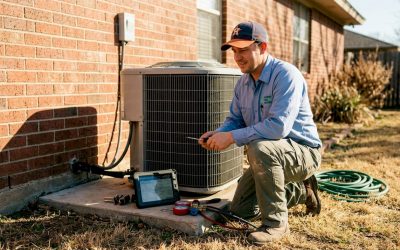
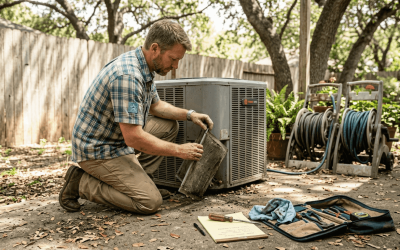
Most American homeowners in Lake Jackson find that choosing a new heating system can be surprisingly complex. With Texas’s mild winters and sudden cold snaps, it’s vital to pick a solution that balances comfort, energy efficiency, and budget. Over 50% of Texas households now consider advanced heat pump systems alongside traditional furnaces and ductless mini-splits, driving a shift toward smarter, cost-effective heating options that meet your family’s needs year-round.
Key Takeaways
| Point | Details |
|---|---|
| Heating System Options | Homeowners in Texas typically choose between heat pumps, gas furnaces, and ductless mini-split systems based on unique climate challenges and personal needs. |
| Energy Efficiency | Heat pumps are highly efficient, transferring heat rather than generating it, resulting in lower energy consumption and cost savings over time. |
| Installation Costs | Understanding the range of installation and operational costs for each heating system is essential, as heat pumps may have higher upfront costs but offer significant long-term savings. |
| Professional Consultation | Consulting with an HVAC professional is crucial to determine the best heating solution tailored to individual home characteristics and climate conditions. |
Heating Systems for Texas Homes Explained
Heating your home in Texas requires understanding the unique climate challenges and available system technologies. Unlike colder regions, Texas homes need flexible heating solutions that can handle mild winters and occasional temperature drops.
Texas homeowners typically choose between three primary heating systems: heat pumps, furnaces, and ductless mini-split systems. Heat pumps are particularly popular due to their dual heating and cooling capabilities, making them versatile for the state’s variable temperatures. These systems transfer heat rather than generate it, providing efficient temperature control with lower energy consumption compared to traditional heating methods.
Furnaces remain a standard heating option, especially in areas experiencing more consistent winter conditions. Gas and electric furnaces offer reliable heat generation and work well with existing ductwork in many Texas homes. The key considerations include fuel type, efficiency ratings, and installation compatibility with current home infrastructure.

Ductless mini-split systems provide a flexible alternative for homes without extensive ductwork or for room-specific heating needs. These compact units offer zone-based temperature control, allowing homeowners to heat specific areas more efficiently. They’re particularly useful in older homes or additions where traditional ducted systems might be challenging to install.
Pro tip: Before selecting a heating system, consult a local HVAC professional who understands Texas climate nuances and can perform a comprehensive home assessment to recommend the most suitable heating solution.
Comparing Furnaces, Heat Pumps and Mini-Splits
When selecting a heating system for a Texas home, homeowners must carefully evaluate the unique characteristics of furnaces, heat pumps, and ductless mini-split systems. Each technology offers distinct advantages and challenges that can significantly impact home comfort, energy efficiency, and long-term operating costs.

Heat pumps have emerged as a compelling option, with advanced heat transfer technologies making them increasingly attractive for Texas residents. Unlike traditional furnaces that generate heat through combustion, heat pumps move existing heat from outside to inside, providing both heating and cooling capabilities. Consumer Reports notes that modern heat pump systems can now effectively operate across diverse climate conditions, including Texas’s variable temperature ranges.
Traditional gas furnaces remain a reliable heating solution, particularly in areas experiencing more consistent winter temperatures. They typically have lower upfront installation costs compared to heat pumps and work seamlessly with existing ductwork. However, heat pumps offer superior energy efficiency, with some models capable of reducing carbon emissions by up to 93% compared to gas heating systems. Electric furnaces provide an alternative for homes without natural gas access, though they generally have higher operational costs.
Ductless mini-split systems represent a flexible heating and cooling solution for homes with unique architectural configurations or limited ductwork. These compact units allow zone-based temperature control, enabling homeowners to heat specific areas more efficiently. They are particularly beneficial in older homes, home additions, or spaces where traditional ducted systems are impractical or expensive to install.
Here’s how the main heating system types for Texas homes compare in terms of core benefits and considerations:
| System Type | Primary Advantage | Common Limitation | Best Home Fit |
|---|---|---|---|
| Heat Pump | Dual heating/cooling, energy savings | High installation cost | Modern homes with mild winters |
| Gas Furnace | Reliable heat, lower upfront expense | Higher fuel costs | Homes with natural gas and ductwork |
| Ductless Mini-Split | Zone control, flexible installation | Room-specific efficiency | Older or uniquely designed homes |
Pro tip: Consult a professional HVAC technician to perform a comprehensive home energy assessment, which can help determine the most cost-effective and efficient heating system tailored to your specific home design and local climate conditions.
Energy Efficiency and Year-Round Comfort
Texas homeowners face unique challenges in maintaining consistent home comfort while managing energy costs across dramatically changing seasonal temperatures. Energy efficiency requirements have evolved to address these specific regional needs, focusing on heating and cooling systems that provide maximum performance with minimal energy consumption.
Heat pump technology stands at the forefront of energy-efficient home comfort solutions. These systems excel at transferring heat rather than generating it, which allows for significantly reduced energy usage compared to traditional heating methods. Modern heat pumps can maintain consistent indoor temperatures even during Texas’ unpredictable weather patterns, switching seamlessly between heating and cooling modes to ensure year-round comfort.
The International Energy Agency emphasizes that contemporary HVAC technologies are designed to optimize thermal comfort while minimizing energy expenditure. Electric heat pumps and advanced mini-split systems now incorporate intelligent temperature control mechanisms that automatically adjust output based on specific room requirements, zonal needs, and external temperature fluctuations. This smart approach not only improves overall home comfort but also contributes to substantial long-term energy savings.
Advanced HVAC systems now integrate sophisticated sensors and programmable features that allow homeowners to create customized temperature profiles. These innovations enable precise control over individual room temperatures, humidity levels, and energy consumption, transforming home heating and cooling from a one-size-fits-all approach to a personalized comfort experience that adapts to each household’s unique requirements.
Pro tip: Consider scheduling a professional energy audit to identify specific opportunities for improving your home’s thermal efficiency and selecting the most appropriate heating system for your unique living space.
Cost of Installation and Operation
Understanding the financial implications of home heating systems requires a comprehensive look at both upfront installation expenses and long-term operational costs. Heat pump installation costs typically range between $17,000 to $30,000, depending on factors such as home size, existing infrastructure, and specific system requirements. These initial investments can seem substantial, but they must be evaluated against potential energy savings and system performance.
Operational efficiency plays a critical role in determining the true cost of a heating system. Traditional gas furnaces often have lower initial installation costs but higher ongoing fuel expenses, while heat pumps and mini-split systems offer superior energy efficiency. Electric heat pumps can reduce energy consumption by up to 50% compared to conventional heating methods, translating to significant long-term financial benefits for Texas homeowners.
The International Energy Agency emphasizes the importance of considering the Levelized Cost of Heating (LCOH), which calculates total ownership expenses across a system’s entire lifecycle. This approach includes installation, maintenance, fuel costs, and expected system longevity. For Texas homes, this means evaluating not just the upfront price, but the system’s performance across scorching summers and occasional cold snaps. Ductless mini-split systems, for instance, often provide the most flexible and cost-effective solution for homes with unique architectural layouts or inconsistent heating needs.
Regional incentives and federal tax credits can significantly offset initial installation expenses, making energy-efficient heating systems more accessible. Homeowners should investigate local utility rebates, state-level energy efficiency programs, and federal tax credits that can reduce the financial burden of upgrading to more advanced heating technologies. These incentives can potentially cut installation costs by 20-30%, making advanced heating solutions more economically attractive.
The following table summarizes typical financial aspects of installing and operating each heating system:
| System Type | Installation Cost Range | Typical Operating Cost Trend | Potential Incentives Available |
|---|---|---|---|
| Heat Pump | $17,000 – $30,000 | Lower, significant savings | Federal, utility rebates |
| Gas Furnace | $3,500 – $8,000 | Moderate to high fuel costs | Regional rebates, limited |
| Ductless Mini-Split | $5,000 – $10,000 | Low for targeted spaces | Some utility programs |
Pro tip: Request detailed cost comparisons and long-term financial projections from multiple HVAC professionals to understand the true economic impact of different heating system installations.
Choosing the Right System for Your Home
Selecting the ideal heating system for a Texas home requires a nuanced understanding of multiple factors beyond simple temperature control. Heating system selection criteria involve carefully evaluating home characteristics, climate demands, and individual comfort preferences that extend far beyond basic functionality.
Home infrastructure plays a critical role in determining the most appropriate heating solution. Existing ductwork, home size, insulation quality, and architectural layout significantly influence which system will provide optimal performance. Heat pumps work exceptionally well in homes with moderate insulation and relatively consistent floor plans, while ductless mini-split systems offer superior flexibility for homes with unique spatial configurations or limited existing ductwork.
Climate considerations are paramount when choosing a heating system for Texas homes. The state’s variable temperatures—ranging from mild winters to occasional freezing periods—demand versatile heating technologies that can adapt quickly and efficiently. Electric heat pumps excel in these conditions, providing both heating and cooling capabilities with remarkable energy efficiency. Gas furnaces remain a solid option for homes with existing natural gas connections, offering reliable heat generation during short, intense cold snaps.
Each heating system presents distinct advantages and potential limitations. Homeowners must consider factors such as initial installation costs, long-term operational expenses, maintenance requirements, and energy efficiency ratings. Ductless mini-split systems provide zone-based temperature control, making them ideal for homes with varied heating needs or rooms with different thermal characteristics. Traditional central heating systems work best in larger, more uniformly constructed homes with comprehensive ductwork and consistent insulation.
Pro tip: Conduct a professional home energy assessment to identify your specific heating requirements and receive personalized recommendations tailored to your home’s unique characteristics.
Find the Perfect Heating Solution for Your Texas Home Today
Choosing the right heating system that balances cost, comfort, and efficiency can feel overwhelming. This article highlights the challenges Texas homeowners face when selecting between heat pumps, furnaces, and ductless mini-splits. Understanding your home’s unique infrastructure and adapting to Texas climate variations are keys to long-term comfort and savings. At Colley Refrigeration, we specialize in guiding homeowners through this complex decision with trusted expertise and honest recommendations.

Explore our full range of professional heating and cooling services by visiting our Heating and Air Conditioning Archives – Colley Refrigeration. With over 47 years of experience, transparent pricing, and 24/7 emergency support, we provide tailored HVAC solutions that fit your exact needs. Don’t wait for the next cold snap to realize your heating system needs an upgrade. Visit Colley Refrigeration now and schedule your personalized home assessment. Learn more about our Air Conditioning Service Archives – Colley Refrigeration to prepare your home year-round.
Frequently Asked Questions
What are the main types of heating systems for homes?
The primary types of heating systems for homes include heat pumps, gas furnaces, and ductless mini-split systems. Each system offers distinct advantages depending on home design and specific heating needs.
How does energy efficiency vary among heating systems?
Energy efficiency varies significantly between systems. Heat pumps are highly efficient and can reduce energy consumption by up to 50% compared to traditional heating methods. Gas furnaces have moderate efficiency, while electric options typically incur higher operational costs.
What factors should I consider when choosing a heating system?
When choosing a heating system, consider home infrastructure, insulation quality, climate demands, initial installation costs, long-term operational expenses, and specific comfort preferences to ensure optimal performance.
Are there any financial incentives for installing energy-efficient heating systems?
Yes, there are often regional and federal incentives, such as utility rebates and tax credits, that can significantly reduce the initial installation costs of energy-efficient heating systems like heat pumps and ductless mini-split systems.
Recommended
-
- Energy Saving HVAC Upgrades That Pay Off in Texas – Colley Refrigeration
- Is It Cheaper to Keep the Heat On All Day? – Colley Refrigeration
- HVAC Explained: Complete Guide for Texas Homes & Businesses – Colley Refrigeration
- 7 Types of HVAC Systems Every Texas Homeowner Should Know – Colley Refrigeration