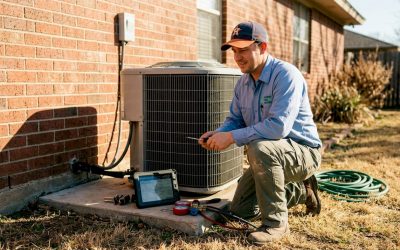
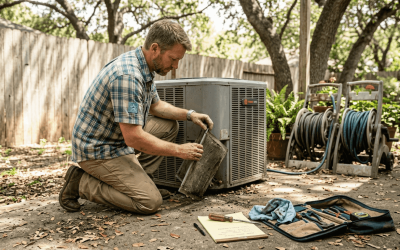
Over 40 percent of a typical home’s energy bill goes to heating and cooling, making HVAC upgrades a smart move for anyone looking to cut costs. With rising energy prices and Texas weather taking a toll on older systems, efficiency has become more than just a buzzword for homeowners. Discover how targeted HVAC improvements can reduce your monthly expenses, enhance comfort, and boost long-term property value while shrinking your environmental footprint.
Key Takeaways
| Point | Details |
|---|---|
| Energy Saving Upgrades | Strategic modifications to HVAC systems can enhance efficiency and reduce energy consumption while improving indoor comfort and air quality. |
| High-Impact Options for Homeowners | Upgrades such as heat pump systems, smart thermostats, and ductwork improvements can significantly improve energy efficiency, particularly in Texas’s extreme climates. |
| Financial Incentives | Texas homeowners can leverage federal tax credits, local utility rebates, and state grants to offset upgrade costs, potentially saving thousands. |
| Avoid Common Pitfalls | Homeowners should ensure proper system sizing, regular maintenance, and professional installation to maximize the benefits of HVAC upgrades. |
Defining Energy Saving HVAC Upgrades
Energy-saving HVAC upgrades are strategic modifications designed to enhance the efficiency, performance, and sustainability of heating, ventilation, and air conditioning systems. According to the U.S. Department of Energy, these upgrades involve specific modifications aimed at reducing energy consumption while improving indoor comfort and air quality.
These upgrades encompass a range of targeted interventions that can transform how your HVAC system operates. Key energy saving upgrades include:
- Air Economizers: Systems that use outside air to cool buildings when temperatures are favorable
- Heat Recovery Ventilation: Technologies that capture and reuse thermal energy from exhaust air
- Demand Control Ventilation: Smart systems that adjust airflow based on actual occupancy and real-time needs
- Building Automation Systems: Intelligent controls that optimize HVAC performance across different zones and conditions
For Texas homeowners, energy-saving HVAC upgrades represent more than just technical improvements. They’re direct investments in long-term efficiency that can significantly reduce monthly utility expenses.
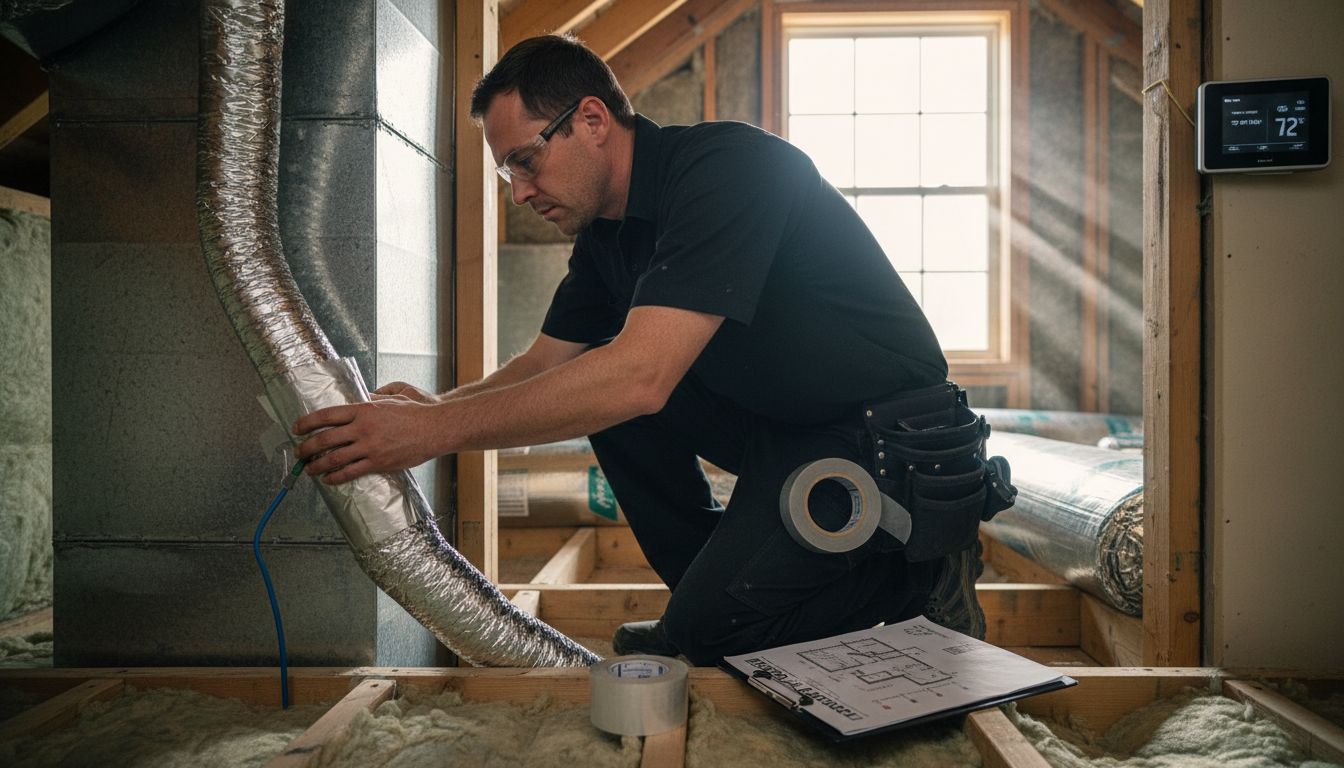 U.S. Department of Energy research emphasizes that strategic HVAC upgrades not only lower energy costs but also enhance indoor air quality and overall system reliability.
Understanding these upgrades requires recognizing their comprehensive benefits. Beyond immediate energy savings, modern HVAC improvements contribute to reduced environmental impact, improved home comfort, and increased property value. By selecting the right upgrades tailored to your specific home or business needs, you can create a more sustainable and efficient cooling and heating environment.
High-Impact Upgrade Options for Texas Homes
Texas homeowners have several high-impact HVAC upgrade options that can dramatically improve energy efficiency and home comfort. Department of Energy’s Building America program highlights critical upgrades designed to reduce energy consumption and enhance overall system performance.
Key high-impact upgrade strategies include:
- Heat Pump Systems: Efficient alternatives to traditional heating and cooling equipment
- Smart Thermostat Installations: Advanced control systems that optimize temperature management
- Ductwork Improvements: Sealing and insulating air distribution networks to minimize energy losses
- Zoned HVAC Systems: Customized temperature control for different home areas
According to the Green Home Technology Center, strategic HVAC component upgrades can yield significant energy savings. Homeowners in Texas can particularly benefit from upgrades that address the state’s extreme temperature variations, reducing strain on cooling and heating systems.
System enhancements go beyond simple replacements. Modern upgrades involve comprehensive approaches like proper system commissioning, which ensures optimal performance from new installations. By investing in these targeted improvements, Texas homeowners can expect reduced energy bills, improved indoor comfort, and increased home value.
When selecting upgrades, consider local climate conditions, home size, and specific energy efficiency goals to maximize your investment.
Incentives and Rebates for HVAC Efficiency
Texas homeowners have access to numerous financial incentives designed to offset the costs of energy-efficient HVAC upgrades. American Council for an Energy-Efficient Economy highlights the critical role these incentives play in encouraging sustainable home improvements and reducing overall energy consumption.
Key incentive categories for Texas residents include:
- Federal Tax Credits: Significant reductions for qualifying energy-efficient system installations
- Local Utility Rebates: Direct cash-back programs from municipal and regional energy providers
- State Energy Efficiency Grants: Specialized funding for comprehensive home energy upgrades
- Manufacturer Rebates: Direct incentives from HVAC equipment manufacturers
Department of Energy research indicates that strategic incentive programs can substantially reduce the upfront costs of HVAC efficiency upgrades. Homeowners can potentially save hundreds or even thousands of dollars through carefully selected rebates and tax credits.
To maximize these financial benefits, homeowners should thoroughly research available programs, keep detailed documentation of upgrades, and work with certified HVAC professionals who understand local and federal incentive requirements. How to Claim HVAC Rebates in Texas for Maximum Savings provides comprehensive guidance on navigating these complex financial opportunities, ensuring you don’t miss out on potential savings while improving your home’s energy efficiency.
Calculating Payback Periods and Savings
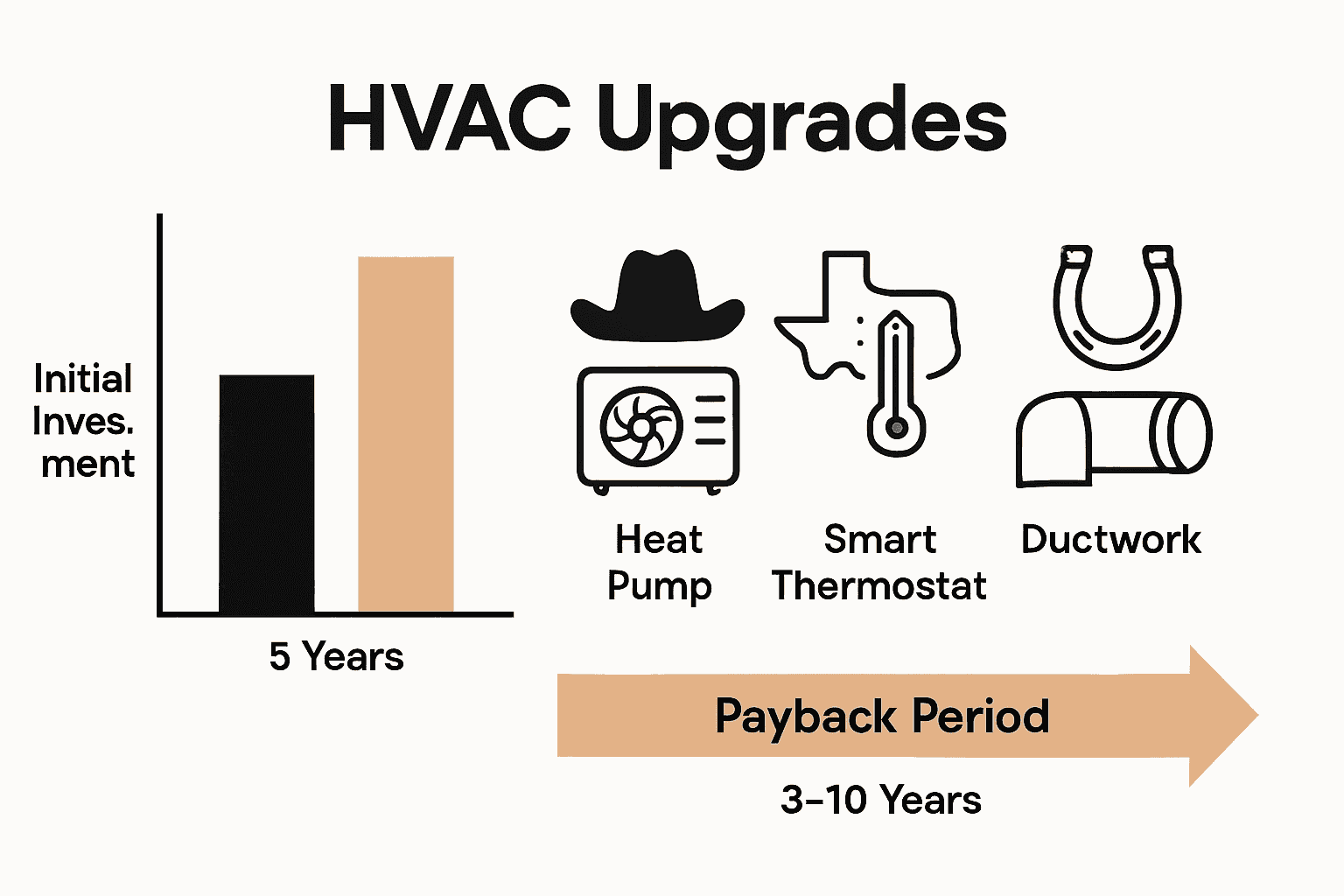
Understanding the financial return on HVAC efficiency upgrades requires a strategic approach to calculating potential savings and payback periods. Building America guide offers comprehensive methodologies for homeowners to evaluate the economic impact of energy-efficient renovations.
Key factors in calculating payback periods include:
- Initial Installation Costs: Total expense of the HVAC upgrade
- Monthly Energy Savings: Reduced utility bills resulting from improved efficiency
- Maintenance Cost Reductions: Decreased repair and operational expenses
- Potential Incentives: Tax credits, rebates, and utility company programs
Green Home Technology Center recommends a comprehensive approach to estimating savings. Typically, homeowners can expect payback periods ranging from 3 to 10 years, depending on the specific upgrade, local energy costs, and system efficiency.
To accurately calculate potential savings, homeowners should gather detailed information about their current energy consumption, compare professional equipment estimates, and consider long-term benefits beyond immediate financial returns. Factors like improved home comfort, increased property value, and reduced environmental impact are crucial considerations that extend beyond simple monetary calculations.
Common Pitfalls and Best Practices
Navigating HVAC efficiency upgrades requires a keen understanding of potential challenges and strategic approaches to implementation. Department of Energy research highlights critical pitfalls that can undermine even the most well-intentioned energy-saving efforts.
Common mistakes homeowners should avoid include:
- Improper System Sizing: Installing equipment that’s too large or small for the space
- Neglecting Regular Maintenance: Skipping routine inspections and system tune-ups
- Poor Installation Practices: Cutting corners during initial system setup
- Ignoring Home Insulation: Overlooking the critical role of overall home energy efficiency
Green Home Technology Center recommends a proactive approach to HVAC upgrades. Best practices involve comprehensive system assessment, professional installation, and ongoing maintenance to maximize efficiency and longevity.
Successful HVAC upgrades demand more than just purchasing new equipment. Homeowners should prioritize professional assessments, understand their home’s unique energy profile, and work with certified HVAC professionals who can provide tailored advice. This approach ensures not just immediate improvements, but long-term energy savings and system reliability that genuinely pay off over time.
Maximize Your Comfort and Savings with Expert HVAC Upgrades in Texas
Energy-saving HVAC upgrades are essential for Texas homeowners facing high energy bills and uncomfortable indoor climates. This article highlights key challenges like selecting the right system, improving ductwork, and leveraging smart controls to boost efficiency and reduce costs. You want reliable solutions that not only pay off financially but also improve your home’s air quality and comfort year-round.
At Colley Refrigeration, we understand these goals and offer tailored services designed to meet your unique needs. With over 47 years of experience serving Lake Jackson and the surrounding areas, we specialize in professional installations, repairs, and maintenance that deliver proven energy savings. From upgrading your heating and cooling systems to optimizing your ductwork and supporting smart thermostat integration, our experts ensure your investment pays off.
Explore our trusted Heating and Air Conditioning Archives – Colley Refrigeration for insights and tips.

Take control of your home’s comfort and energy costs today with Colley Refrigeration’s honest pricing and expert service. Visit https://colleyrefrigeration.com now to schedule your free estimate and discover how our local HVAC solutions can transform your home with efficiency that lasts. Don’t wait until energy bills rise or your system fails. Act now to enjoy a cooler Texas summer and warmer winter while saving money.
Frequently Asked Questions
What are energy-saving HVAC upgrades?
Energy-saving HVAC upgrades are modifications designed to enhance the efficiency and performance of heating, ventilation, and air conditioning systems while reducing energy consumption.
How can Texas homeowners benefit from HVAC upgrades?
Texas homeowners can achieve significant energy savings, enhanced indoor comfort, improved air quality, and increased property value through targeted HVAC upgrades.
What types of HVAC upgrades are most effective in Texas?
Effective HVAC upgrades include heat pump systems, smart thermostat installations, ductwork improvements, and zoned HVAC systems.
How can I calculate the payback period for HVAC upgrades?
To calculate the payback period, consider your initial installation costs, monthly energy savings, maintenance cost reductions, and potential incentives like tax credits and rebates.
Recommended
- 7 Essential HVAC Efficiency Tips for Texas Homes in 2025 – Colley Refrigeration
- What is Energy Efficient HVAC? Understanding Its Benefits – Colley Refrigeration
- How to Claim HVAC Rebates in Texas for Maximum Savings – Colley Refrigeration
- Saving Energy With AC: Air Conditioning Tips To Save Energy: Colley