Over half of all American households are searching for smarter ways to manage their home comfort and lower power bills. As energy costs continue to climb, understanding new technologies becomes more important than ever. Heat pumps stand out because they offer both heating and cooling with up to three times more energy efficiency than traditional systems. This guide breaks down what a heat pump is and how it works, so you can see if it fits your needs and climate.
Key Takeaways
| Point | Details |
|---|---|
| Heat Pump Efficiency | Heat pumps transfer heat instead of generating it, making them highly energy efficient for both heating and cooling. |
| Types of Heat Pumps | Air-source, geothermal, and water-source heat pumps each have unique benefits and costs, impacting energy efficiency and suitability for different climates. |
| Cost Influencers | Initial installation costs are affected by energy efficiency ratings, home size, and local conditions, with potential savings available through government incentives. |
| Available Savings | Homeowners can reduce upfront costs through federal tax credits and local rebates, significantly enhancing the affordability of energy-efficient heat pump systems. |
What Is a Heat Pump and How It Works
A heat pump is an innovative heating and cooling system that transfers heat between indoor and outdoor environments instead of generating heat directly. Unlike traditional heating systems that burn fuel, heat pumps move existing heat energy from one place to another, which makes them incredibly energy efficient.
At its core, a heat pump works like a refrigerator in reverse. During winter, it extracts heat from the outside air (even when it feels cold) and moves that heat indoors. In summer, the process reverses – the system removes heat from inside your home and transfers it outside, effectively cooling your living space. This dual functionality means you get both heating and cooling from a single system.
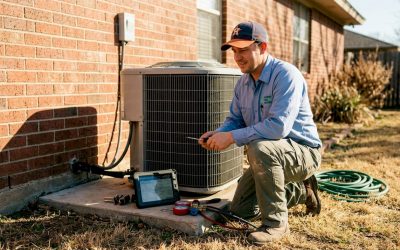
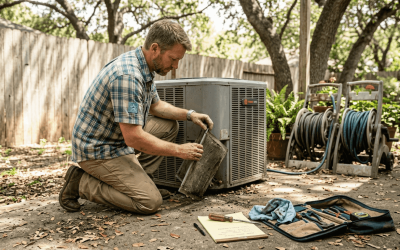
Air-source heat pumps, the most common type, operate by using refrigerant and electricity to transfer heat through a compressor and circulation system. The system has two key components: an outdoor unit that extracts heat from the environment and an indoor unit that distributes warm or cool air throughout your home. By choosing the right heat pump system, homeowners can achieve significant energy savings and maintain comfortable indoor temperatures year-round.
Types of Heat Pumps and Key Differences
Heat pumps come in several distinct types, each designed to extract and transfer heat using different methods and environments. Air-source heat pumps are the most common, efficiently absorbing heat from outdoor air to regulate indoor temperatures. These systems work well in moderate climates and can provide both heating and cooling with a single unit.
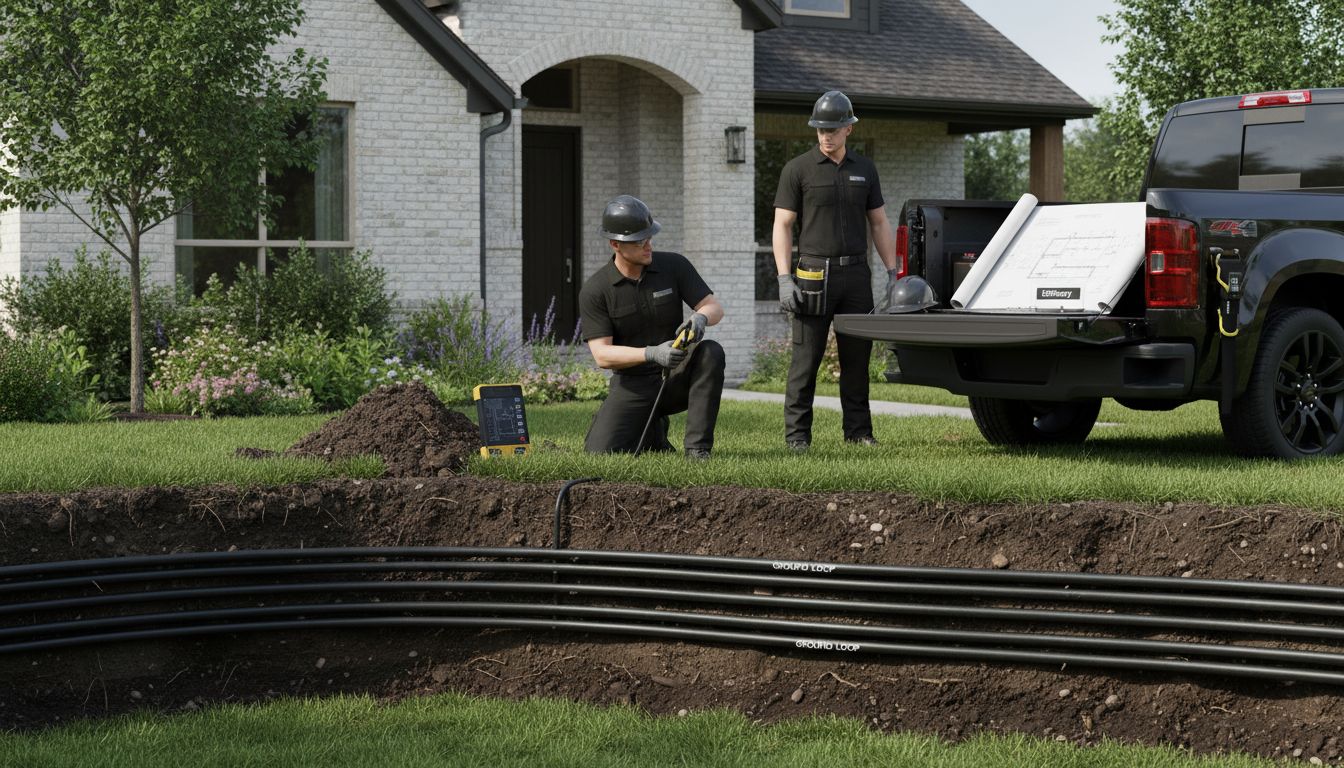
Geothermal or ground-source heat pumps represent a more advanced technology that extracts heat from underground, where temperatures remain more consistent throughout the year. While these systems have higher upfront installation costs, they offer exceptional energy efficiency and lower long-term operational expenses. They work by circulating a special fluid through underground pipes, absorbing or releasing heat depending on seasonal requirements.
Water-source heat pumps offer another innovative solution, utilizing nearby water bodies like lakes or wells to transfer heat. Unlike air-source systems that can struggle in extreme temperatures, water-source heat pumps maintain more stable performance because water temperatures remain more consistent. Comparing different HVAC system types helps homeowners understand which solution best matches their specific climate, budget, and energy efficiency goals. The key differences among heat pump systems primarily involve their heat exchange method, initial cost, long-term efficiency, and suitability for specific geographic regions.
Main Factors Influencing 2025 Heat Pump Costs
The cost of heat pumps in 2025 is shaped by multiple complex factors, with energy efficiency ratings playing a crucial role in determining both upfront and long-term expenses. Heating Seasonal Performance Factor (HSPF) and Seasonal Energy Efficiency Ratio (SEER) directly impact the initial investment, with higher-rated systems commanding premium prices but promising significant energy savings over time.
Government policies and incentives are transforming the heat pump market in 2025. Federal tax credits introduced through the Inflation Reduction Act can substantially offset installation costs, making energy-efficient heat pumps more financially accessible for homeowners. These incentives typically cover a percentage of the system’s cost, potentially saving consumers thousands of dollars when upgrading their home heating and cooling infrastructure.
Additional cost determinants include the specific type of heat pump, home size, existing ductwork condition, and local climate characteristics. Installation complexity can dramatically influence overall expenses, with factors like home square footage, insulation quality, and required electrical upgrades contributing to the total investment. HVAC efficiency strategies can help homeowners make more informed decisions, balancing initial costs with long-term energy savings and performance expectations.
Typical Price Ranges for Texas Homes
In Texas, heat pump installations typically range from $6,000 to $15,000, with variations based on home size, system complexity, and specific regional requirements. Thermal energy storage integration can influence overall system costs, potentially offering long-term financial benefits for homeowners looking to optimize their heating and cooling investments.
Small to medium-sized homes in areas like Lake Jackson, Pearland, and Galveston can expect heat pump installations around $8,000 to $12,000. Larger homes or those requiring more complex systems might see costs escalate to $18,000 or more. The final price depends on factors like home square footage, existing ductwork condition, and the specific type of heat pump selected for installation.

Texas homeowners can significantly offset installation expenses through innovative heating technologies and available federal tax incentives. Predictive heating control systems and energy-efficient models can provide substantial long-term savings, making the initial investment more manageable. Factors like home insulation, local climate conditions, and specific energy efficiency ratings will ultimately determine the most cost-effective solution for individual households.
Rebates, Incentives, and Ways to Save
The Inflation Reduction Act has created unprecedented opportunities for homeowners to save on heat pump installations through significant federal tax credits. Qualifying homeowners can now receive up to 30% off their heat pump installation, with a maximum credit of $2,000, dramatically reducing the upfront investment required for energy-efficient home heating and cooling systems.
Texas residents have additional savings pathways through local utility rebates and state-level incentive programs. ENERGY STAR-certified heat pumps often qualify for extended rebates, potentially saving homeowners hundreds of dollars beyond federal tax credits. These incentives are designed to encourage the adoption of more energy-efficient heating technologies, helping residents lower both their initial installation costs and long-term energy expenses.
To maximize savings, homeowners should explore multiple avenues of financial assistance. HVAC efficiency strategies can help identify the most cost-effective solutions, combining federal tax credits, local utility rebates, manufacturer incentives, and potential financing options. Some strategies include timing purchases during promotional periods, selecting high-efficiency models, and working with certified installers who understand local incentive programs.
Ready to Manage Your Heat Pump Investment With Confidence
Understanding the true cost of a heat pump in 2025 can be confusing with all the factors like efficiency ratings, installation complexity, and available rebates. If you want clear upfront pricing and expert guidance on selecting the right energy-efficient solution for your Texas home, explore our Heating and Air Conditioning Archives – Colley Refrigeration. We help homeowners balance initial costs with long-term savings by recommending systems that fit their climate and budget.

Don’t wait to upgrade your home comfort. Contact Colley Refrigeration now at https://colleyrefrigeration.com for trusted advice, professional heat pump installation, and 24/7 service from a team with over 47 years of experience. Take advantage of current incentives and interest-free financing to make your energy-efficient heating and cooling system affordable today.
Frequently Asked Questions
What factors influence the cost of heat pumps in 2025?
The cost of heat pumps in 2025 is influenced by energy efficiency ratings, government policies and incentives, the type of heat pump, home size, the condition of existing ductwork, and installation complexity.
What is the typical price range for heat pump installations?
Heat pump installations typically range from $6,000 to $15,000, depending on factors like home size, system complexity, and specific regional requirements.
How can homeowners save on heat pump installation costs?
Homeowners can save on installation costs through federal tax credits under the Inflation Reduction Act, local utility rebates, and by selecting ENERGY STAR-certified heat pumps, which may qualify for additional incentives.
What are the differences between air-source and geothermal heat pumps?
Air-source heat pumps extract heat from outdoor air, while geothermal heat pumps draw heat from underground sources. Geothermal systems generally have higher upfront costs but offer exceptional efficiency and lower long-term operational expenses.