Cold snaps in Montgomery can leave many homeowners questioning whether their old furnace is still the smartest investment for winter comfort. With energy bills rising and technology advancing, understanding the real differences between heat pumps and furnaces has never been more relevant. Exploring the unique ability of heat pumps to transfer heat rather than generate it gives Montgomery residents new pathways toward efficient, reliable warmth all season long.
Key Takeaways
| Point | Details |
|---|---|
| Heating Options | Homeowners in Montgomery, TX can choose between heat pumps and furnaces, each with unique advantages based on climate and energy efficiency. |
| Efficiency Comparison | Heat pumps are generally more energy-efficient than furnaces, providing both heating and cooling while reducing energy consumption. |
| Climate Suitability | While heat pumps excel in moderate climates, traditional furnaces are more reliable during extreme cold, making choice dependent on local weather conditions. |
| Professional Consultation | It is crucial to consult with HVAC professionals to evaluate home-specific factors for optimal heating system selection. |
Heat Pumps and Furnaces Defined Clearly
Homeowners in Montgomery, TX, have two primary heating options that deliver warmth during chilly winters: heat pumps and furnaces. While both systems aim to maintain comfortable indoor temperatures, they operate through fundamentally different mechanisms. Heat pump technologies represent a modern, energy-efficient approach to home heating and cooling.
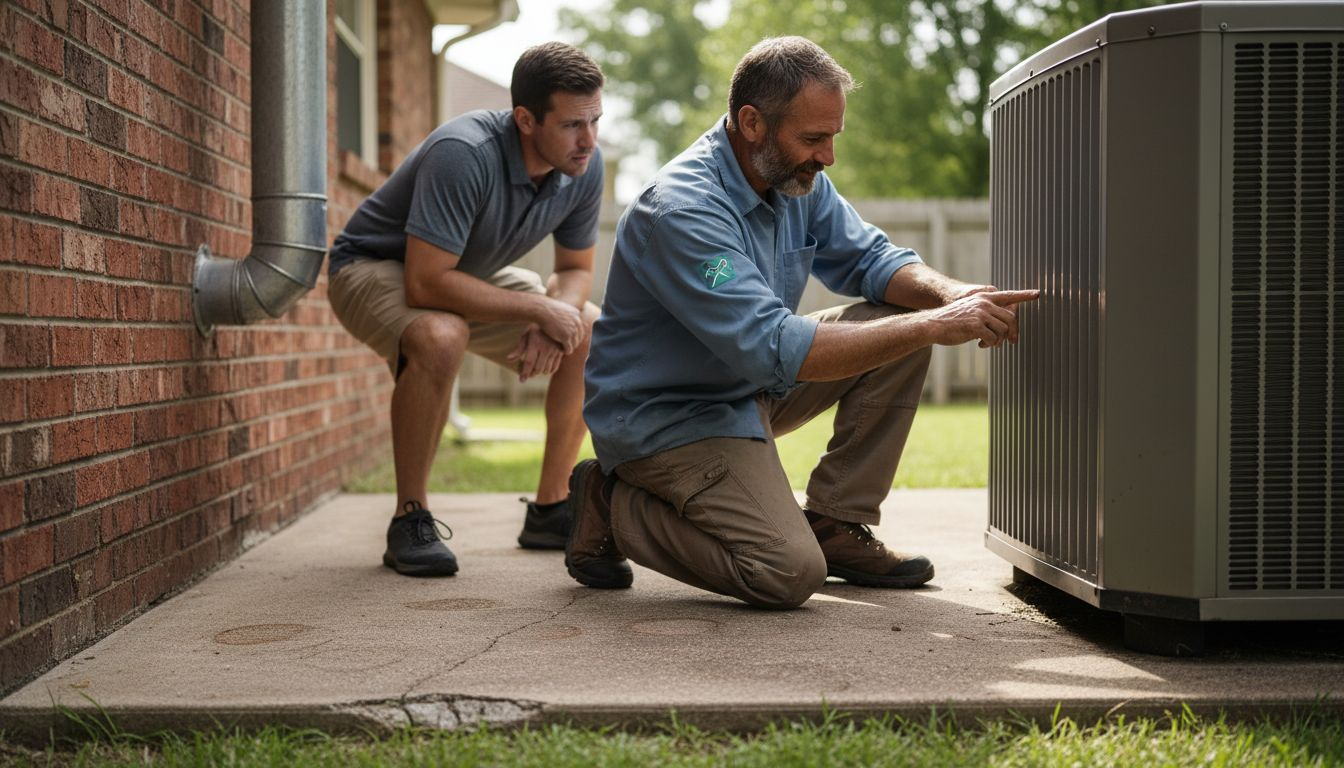
Heat pumps function by transferring heat rather than generating it, making them uniquely versatile systems. Unlike traditional furnaces that create heat through combustion, heat pumps extract warmth from outside air, ground, or water sources and concentrate it indoors. This process allows them to provide both heating and cooling capabilities within a single system.
Key differences between heat pumps and furnaces include:
- Heat Generation Method
- Furnaces: Produce heat through burning fuel (gas/oil) or electric resistance
- Heat Pumps: Move existing heat from outside to inside using a refrigeration cycle
- Energy Efficiency
- Furnaces: Typically less efficient, with energy converted directly to heat
- Heat Pumps: More efficient, as they transfer existing heat rather than generating new heat
- Climate Adaptability
- Furnaces: Perform consistently in extremely cold temperatures
- Heat Pumps: Most effective in moderate climates, with reduced efficiency in very low temperatures
Texas homeowners should consider their specific climate and home characteristics when selecting between these two heating technologies. Heat pump systems offer significant advantages in regions with milder winter conditions, like Montgomery, where extreme cold is less common.
To help Montgomery homeowners evaluate heating options, here’s a side-by-side comparison of heat pumps and furnaces:
| Aspect | Heat Pump | Furnace |
|---|---|---|
| Heat Source | Extracts ambient heat | Generates heat via combustion |
| Seasonal Use | Heating and cooling | Heating only |
| Maintenance Needs | Minimal, regular checks | Annual service for safety |
| Environmental Impact | Lower emissions, efficient | Higher emissions, less green |
| Incentives Available | Federal/state efficiency credits | Fewer modern incentives |
Pro tip: Consult with a local HVAC professional to determine the most suitable heating system for your specific home and climate conditions.
Texas Types: Air Source vs. Traditional Furnaces
For homeowners in Montgomery and across Texas, understanding the nuanced differences between air source heat pumps and traditional furnaces is crucial for making an informed heating system decision. Each technology offers distinct advantages tailored to the unique climate and energy landscape of the Lone Star State.
Air source heat pumps represent a modern, energy-efficient approach to home heating and cooling. These systems work by absorbing heat from outside air and transferring it indoors, making them particularly well-suited to Texas’s mild winter conditions. Unlike traditional furnaces that generate heat through combustion, heat pumps move existing heat, resulting in potentially lower energy consumption.
Key characteristics of these heating technologies include:
- Installation Considerations
- Air Source Heat Pumps:
- Lower upfront installation costs
- Easier to retrofit into existing homes
- More flexible placement options
- Traditional Furnaces:
- Require a dedicated gas line or electrical infrastructure
- More complex installation process
- Air Source Heat Pumps:
- Performance Factors
- Air Source Heat Pumps:
- Most effective in moderate temperatures
- Provide both heating and cooling
- Highly efficient in the Texas climate
- Traditional Furnaces:
- Consistent performance in extremely cold temperatures
- Primarily heating-focused
- More reliable in severe winter conditions
- Air Source Heat Pumps:
Climate Compatibility plays a significant role in selecting the right system. Natural gas heating options depend on local fuel prices, infrastructure, and temperature ranges. Montgomery’s relatively mild winters make air source heat pumps an attractive option for many homeowners seeking energy-efficient solutions.
Pro tip: Schedule a professional energy assessment to determine the most cost-effective and efficient heating system for your specific home and local climate conditions.
How Heat Pumps Work in Mild Winters
Montgomery homeowners benefit from heat pump technology uniquely suited to Texas’s moderate climate. Heat pump systems operate efficiently by extracting warmth from outside air, even when temperatures are cool but above freezing. This innovative approach transforms how residential heating works in regions with mild winter conditions.
The fundamental mechanism of heat pumps relies on refrigeration cycle technology. Instead of generating heat through combustion, these systems move existing heat energy from outdoors into interior spaces. Modern heat pump designs can effectively operate in temperatures ranging from 25°F to 35°F, making them ideal for Texas’s relatively temperate winter environment.
Key performance characteristics of heat pumps in mild winters include:
- Temperature Range Capabilities
- Functional down to 25°F-35°F
- Maintain consistent indoor comfort
- Reduce energy consumption compared to traditional heating
- Technological Advantages
- Advanced refrigerant circulation
- Dual heating and cooling functionality
- Minimal performance degradation in moderate temperatures
Efficiency Factors play a critical role in heat pump performance. Advanced heat pump technologies now allow systems to extract heat effectively, even when outdoor temperatures approach near-freezing conditions. This means Montgomery residents can enjoy reliable, cost-effective home heating throughout the winter months.
Pro tip: Consult with a local HVAC professional to determine the most suitable heat pump model for your specific home and microclimate conditions.
Energy Efficiency and Cost Savings Explained
Montgomery homeowners looking to optimize their home heating can find significant advantages with heat pump technology. Heat pump efficiency reveals remarkable energy savings potential, with systems generating two to four times more heating energy than the electricity they consume. This innovative approach translates into substantial long-term cost reductions for Texas households.
The economic benefits of heat pumps extend beyond immediate energy savings. Unlike traditional heating systems, heat pumps transfer existing heat rather than generating it through combustion, resulting in dramatically reduced energy consumption. Federal incentives and advancing technology are making these systems increasingly attractive for budget-conscious homeowners seeking sustainable heating solutions.
Key financial considerations for heat pump installations include:
- Initial Investment
- Higher upfront costs compared to traditional furnaces
- Federal and state incentives can offset installation expenses
- Long-term energy savings outweigh initial investment
- Operational Cost Savings
- Reduced monthly energy bills
- Lower electricity consumption
- Minimal maintenance requirements
Long-Term Financial Benefits become increasingly compelling as energy-efficient technologies continue to advance. Heat pumps not only decrease household energy expenses but also contribute to reducing overall greenhouse gas emissions, making them an environmentally responsible choice for Montgomery residents.
Review this summary of factors influencing heating system costs and savings in Texas:
| Consideration | Impact on Cost | Long-Term Savings |
|---|---|---|
| Installation Expense | Higher for heat pumps | Often offset by incentives |
| Energy Consumption | Much lower with heat pumps | Reduced monthly bills |
| Maintenance | Less frequent for heat pumps | Lower upkeep expenses |
| Local Fuel Prices | Can favor furnaces if gas is cheap | Heat pumps perform best if electricity costs are low |
Pro tip: Request a professional energy audit to calculate precise potential savings and determine the most cost-effective heat pump configuration for your specific home.
When a Furnace Is Better for Montgomery Homes
While heat pumps offer impressive efficiency, certain scenarios make traditional furnace systems a more practical choice for Montgomery homeowners. Understanding these specific conditions helps residents make informed heating decisions that balance comfort, reliability, and cost-effectiveness.
Furnaces become particularly advantageous when natural gas prices are low, and homes require consistent heating during occasional cold snaps. Unlike heat pumps that can struggle in extremely low temperatures, furnaces generate their own heat, providing reliable warmth regardless of outdoor conditions. This consistent performance becomes crucial during those rare periods of intense cold that can challenge heat pump efficiency.
Key scenarios favoring furnace installations include:
- Infrastructure Considerations
- Existing natural gas connections
- Homes without comprehensive ductwork
- Limited electrical infrastructure
- Economic Factors
- Lower upfront installation costs
- Cheaper natural gas prices
- Homes with budget constraints
Performance Factors play a significant role in heating system selection. Home heating efficiency depends on multiple variables, including home insulation, existing infrastructure, and local climate patterns. For Montgomery homes with specific constraints, furnaces can offer a more straightforward and potentially more cost-effective heating solution.
Pro tip: Consult a local HVAC professional to conduct a comprehensive home assessment and determine the most suitable heating system for your specific residential requirements.
Mistakes to Avoid When Choosing a Heating System
Heating system selection in Montgomery requires careful consideration to avoid costly errors that could compromise home comfort and energy efficiency. HVAC installation mistakes can lead to significant long-term financial and performance challenges for homeowners.
One of the most critical mistakes is selecting a heating system without thoroughly evaluating home-specific requirements. Factors such as home size, insulation quality, existing infrastructure, and local climate play pivotal roles in determining the most appropriate heating solution. Homeowners often underestimate the importance of these nuanced considerations, potentially leading to suboptimal system performance.
Key mistakes to avoid include:
- System Selection Errors
- Choosing an incorrect system size
- Ignoring home insulation levels
- Failing to consider local climate conditions
- Installation and Technical Mistakes
- Mixing incompatible HVAC components
- Hiring uncertified installation technicians
- Overlooking manufacturer specifications
Technical Considerations are paramount when selecting heating systems. Home energy efficiency depends on multiple factors beyond just the heating unit itself. Montgomery homeowners should prioritize comprehensive home assessments and professional guidance to ensure optimal system performance and long-term cost-effectiveness.
Pro tip: Obtain multiple professional assessments and request detailed efficiency calculations specific to your home’s unique characteristics before making a final heating system decision.
Discover the Perfect Heating Solution for Your Montgomery Home
Choosing between a heat pump and a furnace can feel overwhelming, especially with the unique climate challenges Montgomery, TX, homeowners face. Whether you want the energy efficiency of a heat pump or the reliable warmth of a furnace during cold snaps, understanding the right fit for your home is critical. Key concerns such as energy efficiency, climate adaptability, and long-term cost savings demand expert guidance to avoid costly mistakes.
Heating and Air Conditioning Archives – Colley Refrigeration offers a wealth of expert insights and solutions tailored for your needs.

Take control of your home comfort with trusted local expertise. Colley Refrigeration brings over 47 years of professional experience serving Montgomery and the surrounding Texas communities. From expert heat pump installations to furnace maintenance and emergency repairs, we provide transparent pricing, 24/7 service, and personalized recommendations to match your home’s specific requirements. Visit Colley Refrigeration today for a free consultation and start saving on energy costs while enjoying reliable warmth all winter long.
Frequently Asked Questions
What is the difference between a heat pump and a furnace?
Heat pumps transfer heat from outside to inside, providing both heating and cooling. Furnaces generate heat through combustion, typically functioning only for heating.
How efficient are heat pumps compared to traditional furnaces?
Heat pumps are generally more energy-efficient, often generating two to four times more heating energy than the electricity they consume, while furnaces convert energy directly into heat, which is usually less efficient.
In what climates do heat pumps perform best?
Heat pumps work most effectively in moderate climates where outdoor temperatures rarely drop below 25°F to 35°F, making them ideal for regions with milder winters.
What factors should I consider when choosing between a heat pump and a furnace?
Consider your home’s existing infrastructure, insulation quality, local climate, and energy costs. If your region experiences extreme cold or if you have natural gas amenities, a furnace may be more reliable, whereas heat pumps are efficient in milder conditions.