Rising energy prices have prompted many American families in Lake Jackson to reconsider how they heat their homes. Upgrading to a high-efficiency furnace might sound expensive at first, but these advanced systems can achieve up to 98 percent fuel efficiency, drastically cutting utility bills over time. With features like variable-speed blowers and sealed combustion, homeowners face a real opportunity to balance comfort and long-term savings, all while investing in solutions designed for Texas weather.
Key Takeaways
| Point | Details |
|---|---|
| High-Efficiency Rating | Furnaces with AFUE ratings of 90% or higher maximize heat conversion, substantially reducing energy bills. |
| Advanced Features | Technologies such as variable-speed blowers enhance comfort by optimizing energy use and maintaining consistent temperatures. |
| Long-Term Savings | Homeowners can expect significant annual savings on fuel costs, with payback periods typically ranging from 5 to 10 years. |
| Financing Options | Various financing methods, including loans and rebates, can help manage initial costs, making high-efficiency furnaces more accessible. |
What Makes a Furnace High-Efficiency
High-efficiency furnaces represent a significant technological advancement in home heating systems, transforming how homeowners manage energy consumption and comfort. These sophisticated heating units are defined primarily by their Annual Fuel Utilization Efficiency (AFUE) rating, which measures how effectively the furnace converts fuel into usable heat. Modern high-efficiency furnaces can reach remarkable efficiency levels up to 98%), representing a substantial improvement over traditional heating systems.
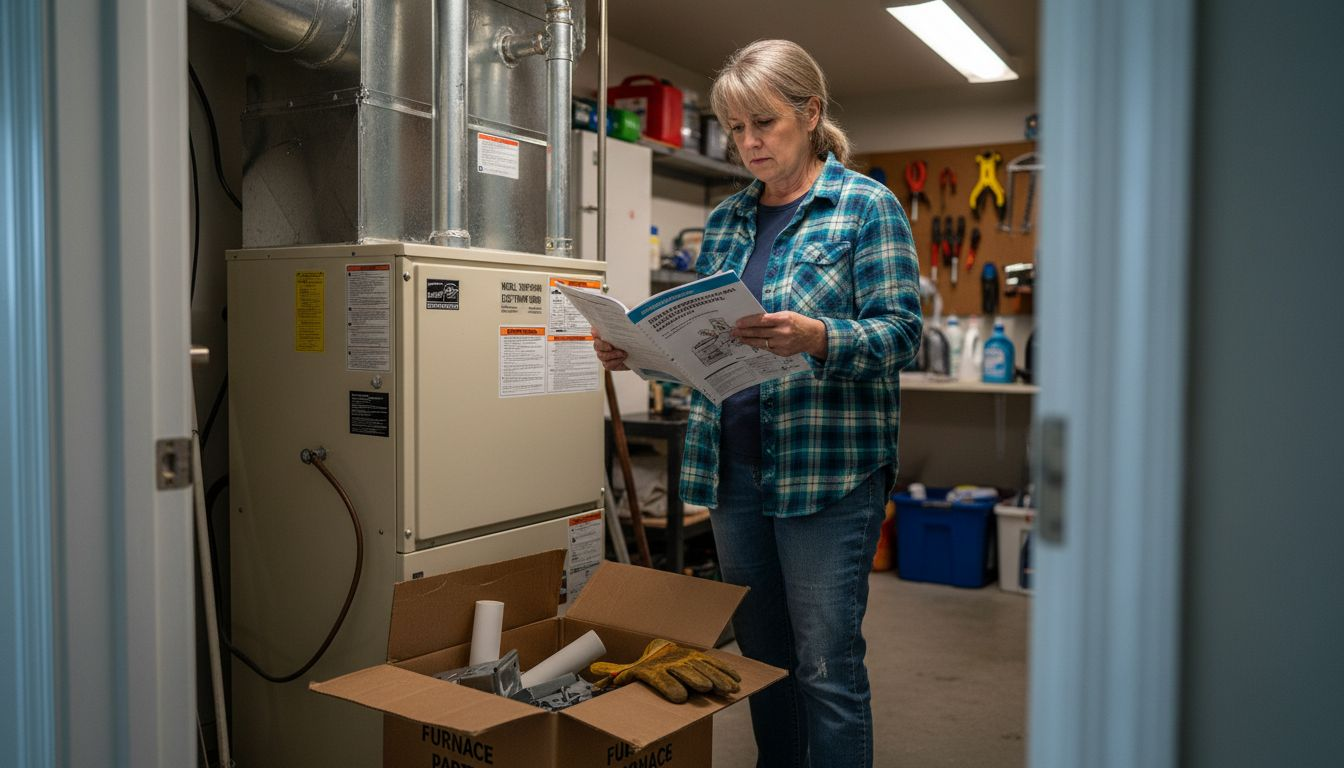
At the core of high-efficiency furnaces are advanced design features that set them apart from standard models. These include condensing heat exchangers, sealed combustion chambers, and sophisticated venting systems that minimize heat loss. Unlike older natural-draft furnaces, high-efficiency models often use PVC vent pipes and can extract additional heat from exhaust gases that would traditionally be wasted. The Energy Trust notes that high-efficiency furnaces convert 90% or more of fuel into heat, compared to standard models that typically operate around 80% efficiency.
Key characteristics of high-efficiency furnaces include:
- AFUE ratings of 90% or higher
- Modulating speed blowers for consistent temperature
- Sealed combustion systems
- Advanced heat exchangers
- Reduced greenhouse gas emissions
- Lower energy consumption
These systems not only provide superior heating performance but also contribute to significant long-term energy savings. By utilizing technologies like two-stage or variable-speed motors, high-efficiency furnaces can adjust their output precisely to match your home’s heating requirements, reducing unnecessary energy expenditure.
Pro tip: Before purchasing a high-efficiency furnace, always have a professional conduct a Manual J load calculation to ensure the system is correctly sized for your specific home’s heating needs.
Types and Features of Modern Furnaces
Modern furnaces have evolved significantly, offering homeowners a range of sophisticated heating solutions designed to maximize comfort and energy efficiency. These systems primarily operate on natural gas, oil, or electricity, utilizing advanced forced air technologies to distribute heat throughout indoor spaces. The three main types of furnaces include natural draft, forced air, and condensing models, each with unique characteristics and performance capabilities.
Condensing furnaces represent the pinnacle of heating technology, capturing and reclaiming heat from exhaust gases by cooling flue gases to condense water vapor. Unlike traditional natural draft furnaces that vent exhaust through chimneys, these high-efficiency models often use plastic pipes to redirect captured heat, dramatically improving overall system performance. The primary types of furnaces include:
- Natural Gas Furnaces: Most common in residential settings
- Mix gas with air in combustion chamber
- Heat exchanger transfers warmth to circulating air
- Oil Furnaces: Common in regions without natural gas infrastructure
- Atomize oil for combustion
- Similar heating mechanism to gas furnaces
- Electric Furnaces: Ideal for areas with limited gas access
- Use electrical heating elements
- Often have lower upfront costs
- Condensing Furnaces: Highest efficiency models
- Capture and reuse exhaust heat
- Typically 90% or higher efficiency rating
Key advanced features that distinguish modern furnaces include electronic ignition systems, multi-stage burners, and variable-speed blowers. These technologies enable precise temperature control, improved energy efficiency, and more consistent heating performance. Variable-speed motors can adjust airflow based on specific heating requirements, reducing energy waste and providing more balanced indoor temperatures.
Pro tip: When selecting a furnace, consider your home’s specific heating needs, local climate, and available fuel sources to ensure you choose the most efficient and cost-effective system.
Here’s a comparison of common furnace types and which homeowners benefit most from each:
| Furnace Type | Best For | Fuel Source | Notable Advantage |
|---|---|---|---|
| Natural Gas | Most households | Natural Gas | Lower fuel cost, reliable |
| Oil | Rural areas | Heating Oil | Effective in cold climates |
| Electric | Homes without gas | Electricity | Low upfront price |
| Condensing | Efficiency seekers | Gas/Oil/Electric | Max energy savings |
How Efficiency Ratings Affect Heating Costs
Annual Fuel Utilization Efficiency (AFUE) is the critical metric that directly translates into real-world heating expenses for homeowners. Efficiency improvements in heating systems can substantially reduce utility bills by consuming less fuel to generate the same amount of heat. A furnace’s AFUE rating represents the percentage of fuel converted into usable heat, meaning a 90% AFUE furnace transforms 90 cents of every dollar spent on fuel directly into home heating.
Over time, even small differences in efficiency ratings can result in significant savings, particularly in regions with prolonged heating seasons. Consider these potential savings scenarios:
- 80% AFUE Furnace: Wastes 20 cents of every heating dollar
- 90% AFUE Furnace: Wastes only 10 cents of every heating dollar
- 95% AFUE Furnace: Wastes merely 5 cents of every heating dollar
These efficiency ratings impact more than just monthly utility expenses. Higher-efficiency furnaces simultaneously reduce greenhouse gas emissions, contribute to environmental conservation, and provide more consistent indoor heating performance. The long-term economic and ecological benefits make investing in a high-efficiency furnace an increasingly attractive option for budget-conscious and environmentally aware homeowners.
Additionally, modern high-efficiency furnaces often include advanced features like variable-speed blowers and multi-stage heating, which further optimize energy consumption. These technologies allow the system to adjust heating output precisely, minimizing energy waste and maintaining more stable indoor temperatures.
To better understand how efficiency ratings affect your budget, see the impact below:
| AFUE Rating | Annual Fuel Wasted (per $1000 spent) | Typical Annual Savings | Environmental Impact |
|---|---|---|---|
| 80% | $200 | Reference Point | Higher emissions |
| 90% | $100 | $100-$200 | Moderate emissions |
| 95% | $50 | $200-$300 | Lowest emissions, greener home |
Pro tip: Request a professional energy audit to determine the most cost-effective efficiency rating for your specific home and local climate conditions.
Estimating Long-Term Savings and Payback
Calculating the financial benefits of a high-efficiency furnace requires a strategic approach to understanding both upfront costs and potential long-term savings. The payback period method helps homeowners evaluate the investment’s feasibility by determining how long it will take to recover initial expenses through reduced energy bills. This financial analysis involves comparing the higher purchase price of an efficient furnace against the anticipated annual energy cost reductions.
Homeowners can expect to save hundreds of dollars annually on fuel bills with high-efficiency models, with payback periods typically ranging from 5 to 10 years. Consider these key factors when estimating potential savings:
- Initial Installation Cost: Higher for high-efficiency models
- Annual Energy Savings: Typically $200-$500 per year
- Furnace Lifespan: Most units last 15-20 years
- Fuel Price Fluctuations: Can impact long-term savings
The financial calculation goes beyond simple dollar amounts. High-efficiency furnaces offer additional benefits that contribute to overall value, including reduced environmental impact, improved home comfort, and potentially increased property value. Modern units with advanced technologies like variable-speed blowers and multi-stage heating provide more consistent temperature control while minimizing energy waste.
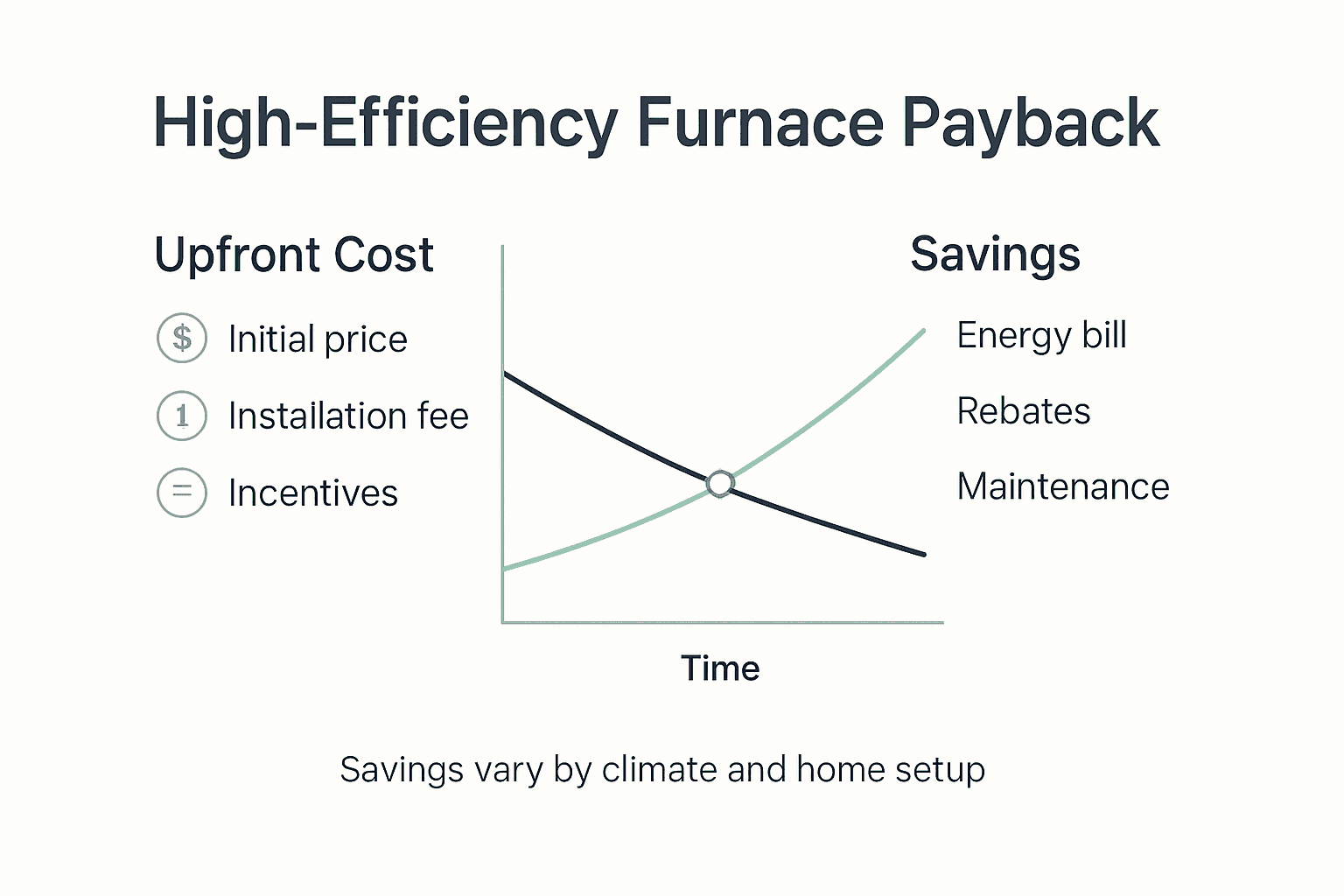
It’s important to note that savings can vary significantly based on factors such as local climate, home insulation, existing ductwork, and current energy prices. Homeowners in regions with longer, more intense heating seasons typically see more substantial financial returns from high-efficiency furnace investments.
Pro tip: Request a professional energy audit and detailed cost-benefit analysis specific to your home to get the most accurate projection of potential furnace upgrade savings.
Weighing Upfront Costs and Financing Options
The primary obstacle for many homeowners considering a high-efficiency furnace is the substantial initial investment. Innovative financing mechanisms have emerged to address the challenge of high upfront capital requirements, making energy-efficient heating technologies more accessible. Understanding the various financial strategies can transform what seems like an overwhelming expense into a manageable and potentially lucrative investment.
Homeowners typically have several financing options to mitigate the initial cost burden:
- Personal Loans: Fixed-rate financing with predictable monthly payments
- Home Equity Lines of Credit (HELOC): Lower interest rates, potential tax benefits
- Manufacturer Financing: Often includes promotional zero-interest periods
- Energy Efficiency Mortgages: Special loan programs that factor in potential energy savings
- Local and Federal Rebates: Can significantly offset installation expenses
Beyond traditional financing, many utility companies and government agencies offer incentive programs specifically designed to encourage energy-efficient home upgrades. These programs can include tax credits, rebates, and low-interest loan options that substantially reduce the effective cost of installing a high-efficiency furnace. Homeowners in Texas, for instance, may qualify for state-specific energy efficiency incentives that can offset a significant portion of the initial investment.
The financial calculation extends beyond immediate costs. A high-efficiency furnace represents an investment in long-term home comfort, reduced energy expenses, and increased property value. While the upfront price tag may seem daunting, the cumulative savings over the system’s lifetime can far outweigh the initial expenditure, especially for homeowners planning to remain in their current residence for several years.
Pro tip: Consult with local HVAC professionals and energy efficiency experts to explore all available financing options and potential rebates before making your final purchasing decision.
Choosing the Right Furnace for Lake Jackson Homes
Natural gas furnaces represent the most suitable heating solution for Lake Jackson homeowners, given the region’s mild winter climate and abundant gas infrastructure. The ideal furnace selection involves carefully balancing efficiency ratings, home size, and local environmental conditions to ensure optimal performance and energy savings.
For Lake Jackson homes, furnaces with 80%-95% AFUE ratings are typically recommended, providing an excellent balance between efficiency and affordability. Key considerations for selecting the right furnace include:
- Home Square Footage: Determines appropriate BTU requirements
- Insulation Quality: Impacts heating system efficiency
- Climate Characteristics: Mild winters require moderate capacity
- Budget Constraints: Balance upfront costs with long-term savings
- Energy Source Availability: Natural gas is most prevalent locally
Professional heating load calculations are crucial in determining the precise furnace specifications for your specific home. Oversized units can lead to unnecessary energy consumption, while undersized systems struggle to maintain consistent temperatures. Modern natural gas furnaces in Lake Jackson often feature advanced technologies like two-stage heating and variable-speed blowers, which provide more precise temperature control and improved energy efficiency.
Additionally, local homeowners should consider factors beyond basic performance, such as manufacturer warranties, professional installation quality, and potential energy rebates specific to the Texas region. Consulting with local HVAC professionals can help navigate the nuanced selection process and ensure a furnace that meets both comfort and efficiency goals.
Pro tip: Schedule a professional home energy assessment to get a precise recommendation tailored to your specific Lake Jackson home’s heating requirements.
Take Control of Your Heating Costs with Expert Furnace Solutions
Choosing a high-efficiency furnace involves weighing upfront costs against long-term savings. If you are feeling uncertain about the best furnace option for your Lake Jackson home or concerned about the initial investment, you are not alone. Many homeowners face the challenge of balancing efficiency ratings, installation costs, and expected payback periods. Key concepts like Annual Fuel Utilization Efficiency (AFUE), proper furnace sizing, and available financing need clear guidance to make a confident decision.
Colley Refrigeration understands these concerns and offers trusted, local expertise backed by over 47 years of service in heating and air conditioning in Texas. We provide transparent pricing, professional installation, and energy-efficient furnace options tailored to your specific home needs. Whether you want to explore high-efficiency natural gas furnaces or seek maintenance plans that maximize system performance, our team is here to help you reach your comfort and savings goals.

Discover how expert advice can turn your furnace upgrade into a smart financial move. Visit our Heating and Air Conditioning Archives – Colley Refrigeration to learn more about modern furnace features and energy savings. Ready to start? Schedule a consultation today at https://colleyrefrigeration.com and take advantage of our interest-free financing options. Don’t wait to improve your home’s comfort and reduce energy bills. Our knowledgeable team offers comprehensive support, including HVAC maintenance Archives – Colley Refrigeration, ensuring your system runs efficiently for years to come.
Frequently Asked Questions
What is a high-efficiency furnace?
High-efficiency furnaces are advanced heating systems with an Annual Fuel Utilization Efficiency (AFUE) rating of 90% or higher, converting a significant portion of fuel into usable heat.
How do high-efficiency furnaces save on energy costs?
They utilize technologies like condensing heat exchangers and variable-speed blowers, which allow for better heat recovery and precise temperature control, thereby reducing overall energy consumption and lowering utility bills.
What is the typical payback period for investing in a high-efficiency furnace?
The payback period usually ranges from 5 to 10 years, depending on factors such as the initial installation cost, annual energy savings, and local fuel prices.
Are there financing options for purchasing a high-efficiency furnace?
Yes, homeowners can explore various financing options, including personal loans, home equity lines of credit, manufacturer financing, energy efficiency mortgages, and government rebates to help manage the upfront costs.
Recommended
- Energy Saving HVAC Upgrades That Pay Off in Texas – Colley Refrigeration
- What is Energy Efficient HVAC? Understanding Its Benefits – Colley Refrigeration
- 7 Essential HVAC Efficiency Tips for Texas Homes in 2025 – Colley Refrigeration
- Old Furnace Costs: Repair or Replace in Texas Homes – Colley Refrigeration