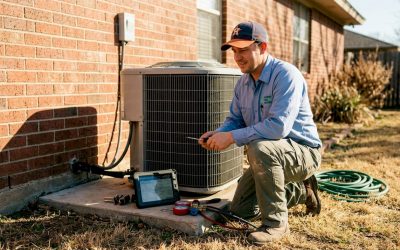
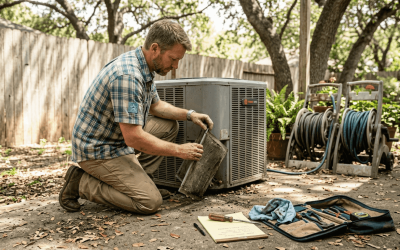
Most American households feel the pinch every winter when energy bills spike, sometimes by as much as 30 percent compared to the rest of the year. The real story behind this increase goes far beyond simply turning up the thermostat. From volatile fuel prices to unpredictable weather patterns and hidden home inefficiencies, understanding what drives winter heating costs can help you take control and keep more money in your pocket amid rising expenses.
Key Takeaways
| Point | Details |
|---|---|
| Heating Costs Are Affected by Multiple Factors | Energy supply, seasonal demand, and home efficiency are key drivers of winter heating expenses. Fuel prices, weather intensity, and energy efficiency play significant roles in determining costs. |
| Preventative Maintenance is Essential | Regular HVAC maintenance can prevent energy inefficiencies and excessive heating expenses. Simple actions like changing air filters and sealing leaks can lead to substantial savings. |
| Proactive Home Energy Audits Help Identify Issues | Conducting a home energy assessment can uncover problem areas like drafts or poor insulation. Simple DIY audits can help mitigate energy loss and improve heating efficiency. |
| Local Weather Patterns Impact Heating Needs | Texas homeowners face unique heating challenges due to unpredictable weather. Understanding local climate variables is crucial for managing energy expenses effectively. |
Heating Bills Explained: What Drives Winter Costs
Winter heating costs can be a financial rollercoaster for homeowners, with seemingly mysterious factors driving up energy expenses. The primary culprits behind skyrocketing heating bills are complex interactions between energy supply, seasonal demand, and home efficiency. Natural gas prices are dramatically influenced by supply and demand dynamics, which means your heating expenses aren’t just about temperature – they’re about broader economic conditions.
Three key factors typically drive winter heating costs: fuel prices, weather intensity, and home energy efficiency. Fuel prices fluctuate based on production levels, storage volumes, and global economic trends. During winter months, heating oil prices can spike due to increased seasonal demand and potential supply constraints, creating significant price volatility for consumers. Weather patterns play an equally critical role – extreme cold spells force heating systems to work overtime, consuming more energy and increasing monthly bills.
Homeowners can take strategic steps to manage these costs. Improving home insulation, sealing air leaks, maintaining heating equipment, and using programmable thermostats can significantly reduce energy consumption. Consider an energy audit to identify specific inefficiencies in your home’s heating system. Simple actions like lowering nighttime temperatures, using thermal curtains, and blocking drafts can create meaningful savings without sacrificing comfort. Understanding these cost drivers empowers you to make informed decisions and potentially save hundreds of dollars during winter heating seasons.
Hidden HVAC Problems Raising Your Expenses
Homeowners often overlook subtle HVAC issues that can dramatically inflate winter heating bills. Neglecting regular maintenance can lead to significant energy inefficiencies, causing your heating system to work harder and consume more electricity than necessary. These hidden problems are like silent budget drains, quietly increasing your monthly expenses without obvious signs of trouble.
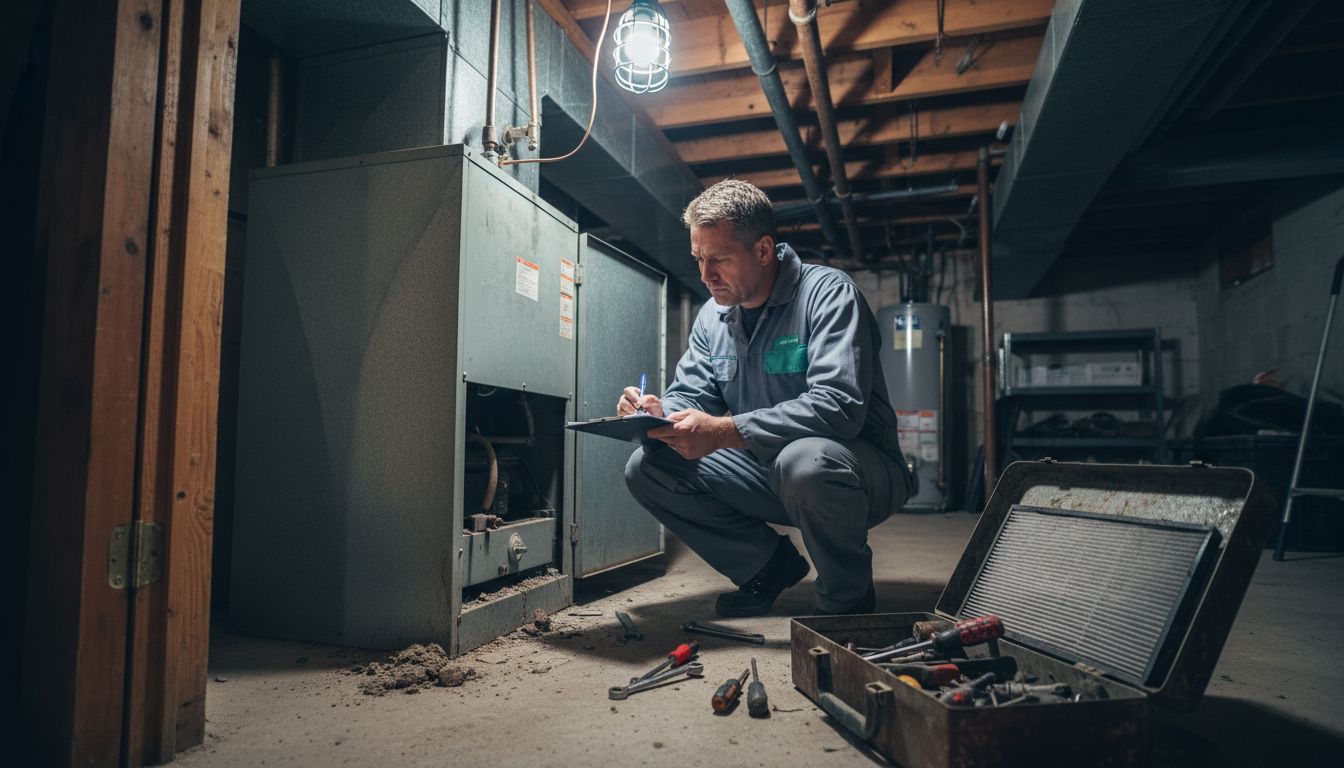
One of the most common yet overlooked issues is improper system sizing and airflow management. Obstructed vents and incorrectly sized HVAC systems force heating units to work significantly harder, resulting in increased energy consumption and higher utility bills. Restricted airflow can cause your system to run continuously, struggling to maintain desired temperatures and burning through energy at an alarming rate. Common culprits include dirty air filters, blocked return vents, closed interior doors, and furniture blocking crucial air circulation paths.
Diagnosing these hidden problems requires a combination of professional inspection and proactive homeowner maintenance. Pay attention to warning signs like uneven heating across rooms, unexplained temperature fluctuations, strange noises from your HVAC system, and sudden spikes in energy bills. Consider scheduling a professional energy audit or HVAC inspection to identify potential inefficiencies. Simple actions like regularly changing air filters, keeping vents unobstructed, sealing air leaks, and maintaining proper insulation can prevent these hidden issues from driving up your heating expenses. Remember, investing in preventative maintenance is always more cost-effective than dealing with major system repairs or replacements.
Spotting the Warning Signs in Your Home
Detecting energy inefficiency early can save homeowners significant money during the winter months. Drafts and air leaks around windows, doors, and other openings can lead to substantial heat loss, silently draining your heating budget without you even realizing it. These invisible energy thieves create temperature inconsistencies that force your heating system to work overtime, resulting in dramatically increased utility bills.
Homeowners should conduct a systematic home energy assessment to identify potential problem areas. Old or damaged insulation represents a critical vulnerability in maintaining home energy efficiency, creating unexpected temperature variations and increased heating costs. Common warning signs include cold spots near windows and exterior walls, unexplained temperature drops in specific rooms, frost or condensation buildup on interior window surfaces, and noticeable drafts when standing near doors or windows. These symptoms indicate potential insulation gaps or structural issues that compromise your home’s thermal envelope.
Taking proactive steps can help mitigate these energy-wasting problems. Start by performing a DIY home energy audit: check weatherstripping, inspect window and door seals, feel for air movement around electrical outlets, and examine attic and basement insulation. Simple solutions like applying weatherstripping, using draft stoppers, installing thermal curtains, and adding insulation can dramatically reduce heat loss. For more comprehensive assessments, consider hiring a professional energy auditor who can use specialized equipment like thermal imaging cameras to detect hidden air leaks and insulation gaps, providing a detailed roadmap for improving your home’s energy efficiency.
How Texas Weather Affects Heating Needs
Texas homeowners face unique heating challenges that directly impact winter energy expenses. Recent research indicates substantial growth in energy demand and potential infrastructure strains that could significantly influence heating costs, making it crucial to understand local weather patterns and their economic implications. Unlike northern states with consistently cold winters, Texas experiences more unpredictable temperature fluctuations that can create unexpected heating challenges.
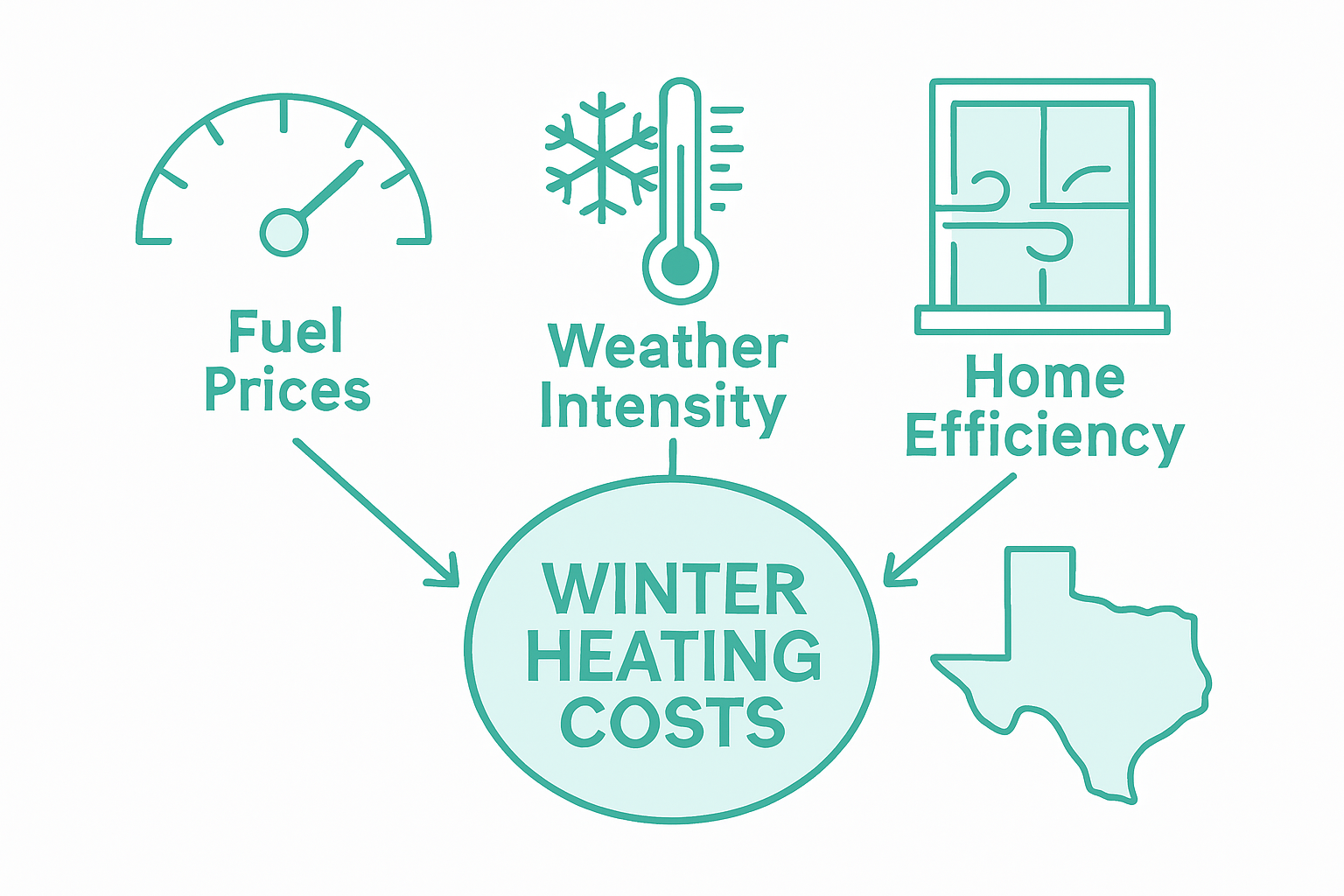
The Energy Information Administration’s 2025 Winter Fuels Outlook reveals important insights for households dependent on different heating sources, with natural gas remaining the primary heating method for most Texas homes. The state’s variable climate means homeowners might experience rapid temperature swings, forcing heating systems to work intermittently but intensely. These sudden cold snaps can cause significant energy consumption spikes, particularly in regions like the Texas Panhandle and North Texas, where winter temperatures can drop dramatically and unexpectedly.
Understanding these regional weather dynamics is key to managing heating costs effectively. Texas homes require flexible heating strategies that can adapt to quick temperature changes. Investing in programmable thermostats, improving home insulation, and maintaining efficient HVAC systems becomes critical in managing energy expenses. Homeowners should also consider the unique microclimates within Texas – coastal areas experience milder winters compared to inland regions, which means heating needs can vary significantly even within the same state. By anticipating these weather-related challenges and preparing accordingly, Texas residents can develop more strategic approaches to managing their winter heating expenses.
When to Call Colley Refrigeration for Help
Professional HVAC maintenance becomes crucial when heating systems show signs of inefficiency or unexpected performance issues. Homeowners should pay close attention to subtle indicators that suggest their heating system might require expert intervention. Unusual noises, inconsistent heating across different rooms, sudden spikes in energy bills, and reduced overall system performance are clear signals that professional diagnostic services are necessary.
Certain technical signs indicate your HVAC system needs immediate professional attention, particularly when performance problems start impacting your home’s comfort and energy expenses. Watch for warning signals like short cycling (frequent system starts and stops), unexplained temperature fluctuations, persistent cold spots, excessive dust accumulation, and strange odors when the heating system operates. These symptoms often suggest underlying mechanical issues that require skilled technician expertise.
Colley Refrigeration recommends scheduling a professional inspection if you experience any of these warning signs, especially before or during the winter months. Their team of experienced technicians can perform comprehensive diagnostics, identify potential problems, and implement targeted solutions that restore your system’s efficiency. With over 47 years of local HVAC service experience, they understand the unique heating challenges faced by Texas homeowners. Quick professional intervention can prevent minor issues from escalating into costly repairs, potentially saving hundreds of dollars in potential system replacements or extensive damage. Emergency and 24/7 service options ensure that critical heating problems can be addressed promptly, minimizing discomfort and potential long-term system damage.
Take Control of Your Skyrocketing Winter Heating Bills Today
If you have been wondering why your heating bill is so high this winter, it is likely due to hidden HVAC inefficiencies, energy leaks, or outdated systems working overtime during cold Texas weather. These silent problems raise your costs without you realizing it, but you do not have to face them alone. At Colley Refrigeration, we specialize in identifying and solving the root causes of high energy expenses for homeowners in Lake Jackson and beyond.

Start by exploring our expert Heating and Air Conditioning Archives – Colley Refrigeration to learn how professional maintenance, precise system sizing, and energy audits can save you hundreds of dollars each winter. Our 47 years of local experience and upfront pricing ensure you get trusted solutions tailored to your home’s needs. Don’t wait for costly breakdowns or soaring bills. Visit Colley Refrigeration now to schedule your HVAC tune-up or consultation and regain comfort and control over your heating costs this season.
Frequently Asked Questions
Why did my heating bill increase during winter?
The increase in heating bills during winter can be attributed to several factors, including higher fuel prices, increased energy demand due to colder temperatures, and home energy inefficiencies. Extreme cold weather can cause heating systems to work overtime, leading to higher energy consumption.
What factors affect my heating expenses?
Key factors that affect heating expenses include fuel prices, weather intensity, and the energy efficiency of your home. Fluctuations in energy supply and seasonal demand significantly influence costs, along with how well your home retains heat.
How can I reduce my winter heating costs?
You can reduce winter heating costs by improving home insulation, sealing air leaks, maintaining heating equipment, and using programmable thermostats. Simple actions like adjusting thermostat settings, lowering nighttime temperatures, and using thermal curtains can also help save on energy bills.
What signs indicate my HVAC system needs repair?
Signs that your HVAC system may need repair include unusual noises, inconsistent heating across rooms, sudden spikes in energy bills, and cold spots in your home. If you notice any of these issues, consider scheduling a professional inspection to identify potential inefficiencies.
Recommended