Central air conditioning powers the comfort in nearly 90 percent of new homes across the United States. Staying cool isn’t just about feeling good during a heat wave. It’s about choosing a system that fits your space while avoiding common misconceptions about how these systems actually work. This guide breaks down the real mechanics, types, and critical maintenance tips behind central air, helping homeowners make confident decisions for efficient, reliable comfort.
Key Takeaways
| Point | Details |
|---|---|
| Understanding Central Air Systems | Central air conditioning circulates cool air through ductwork by removing heat from indoor spaces, utilizing key components like the outdoor condensing unit and indoor air handler. |
| Types of Central Systems | Homeowners can choose between split-systems and packaged units, each suited for different home layouts and energy efficiency needs. |
| Efficient Air Distribution | Proper ductwork design and maintenance are crucial for effective air distribution and system efficiency, impacting overall cooling performance. |
| Maintenance and Cost Efficiency | Regular maintenance, including filter replacement and inspections, significantly enhances system longevity and efficiency, reducing long-term operational costs. |
Central Air Conditioning Defined and Debunked
Central air conditioning represents a sophisticated home cooling system designed to provide consistent, whole-house temperature control. According to Energy.gov, these systems circulate cool air through an interconnected network of supply and return ducts, delivering refreshed air throughout your living space.
At its core, a central air conditioning system doesn’t actually create cool air from scratch. Instead, as American Standard Air explains, it works by removing warm air from inside your home and processing that air through multiple components designed to compress and cool it down efficiently. This clever mechanism allows the system to continuously exchange hot indoor air with cooled, comfortable air.
The key components of a central air conditioning system include:
- Outdoor condensing unit
- Indoor evaporator coil
- Compressor
- Refrigerant lines
- Ductwork for air distribution
For homeowners in Texas seeking comprehensive cooling solutions, understanding how central air works can help you make informed decisions about your home’s comfort systems. Understanding the Difference Between AC and HVAC provides additional insights into these complex cooling technologies and their nuanced operations.
Main Components and Their Functions
Central air conditioning systems are complex machines with several critical components working in harmony to cool your home. Energy.gov highlights that these systems fundamentally consist of two primary units: an outdoor unit and an indoor unit, each playing a unique role in the cooling process.
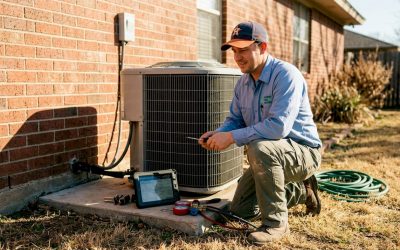
The outdoor condensing unit serves as the system’s primary heat exchange point. This exterior component contains several crucial elements: the compressor, which pressurizes refrigerant and transforms it between liquid and gas states; the condenser coil, responsible for releasing heat outside; and a powerful fan that helps expel warm air. Think of this unit as the system’s external lung, constantly breathing out heat from your home.
Inside your home, the indoor air handler works equally hard. This unit houses the evaporator coil, a critical component that absorbs indoor heat and initiates the cooling process. The air handler also contains a blower motor that circulates cooled air through your home’s ductwork, ensuring even temperature distribution. These components collaborate seamlessly to transform warm, uncomfortable air into a refreshing indoor environment.

To maintain optimal performance, your central air system relies on several additional components:
- Refrigerant lines: Copper tubes connecting indoor and outdoor units
- Thermostat: Controls temperature and system operation
- Air filters: Trap dust, allergens, and improve air quality
- Ductwork: Network of passages distributing cooled air
For those interested in diving deeper into HVAC technologies, HVAC System Types Explained offers a comprehensive breakdown of various cooling system configurations.
Types of Central Air Systems Explained
Energy.gov highlights two primary types of central air conditioning systems that homeowners should understand: split-system and packaged units. Each system offers unique advantages depending on your home’s specific cooling requirements and structural layout.
Here’s a comparison of split-system vs. packaged central air conditioners:
| Feature | Split-System Central Air | Packaged Central Air |
|---|---|---|
| Configuration | Separate indoor and outdoor units | All-in-one outdoor unit |
| Space Requirements | Indoor and outdoor space needed | Outdoor space only |
| Typical Installation | Homes with existing ductwork | Homes with limited indoor space |
| Energy Efficiency | Generally more efficient | Slightly less efficient |
| Maintenance Accessibility | Easier indoor maintenance | All maintenance outdoors |
| Ideal For | Larger homes Flexible layouts |
Small homes Limited space |
A split-system central air conditioner is the most common configuration for residential properties. This system features two separate units: an outdoor condensing unit and an indoor air handler. The outdoor unit contains the compressor and condenser, while the indoor unit houses the evaporator coil and blower. Split systems are particularly advantageous for homes with existing ductwork, offering flexible installation and typically more energy-efficient performance.
In contrast, a packaged central air conditioner consolidates all cooling components into a single outdoor unit. Typically installed on a concrete slab or roof, these systems are ideal for homes with limited indoor space or properties lacking traditional interior air handler locations. While they might be slightly less efficient than split systems, packaged units provide a compact, all-in-one cooling solution that works exceptionally well for smaller homes or buildings with spatial constraints.

When selecting a central air system, homeowners should consider several key factors:
- Home size and layout
- Existing ductwork infrastructure
- Local climate conditions
- Budget and energy efficiency goals
For Texas residents seeking more in-depth insights, 7 Types of Air Conditioning Units offers a comprehensive exploration of cooling system options tailored to local environmental needs.
How Central Air Distributes Cold Air
Energy.gov provides critical insights into how central air conditioning systems efficiently move cool air throughout your home. The process involves a sophisticated network of supply and return ducts that work continuously to maintain comfortable indoor temperatures.
The cooling distribution begins when the air handler’s blower fan pulls warm indoor air through return air registers. This air travels through return ducts to the indoor evaporator coil, where refrigerant absorbs the heat, effectively cooling the air. The now-chilled air is then pushed back into your home through a series of supply ducts, emerging from various registers strategically placed in different rooms. This cyclical process ensures even cooling across your entire living space.
Ductwork acts as the circulatory system of your central air conditioning, much like blood vessels in the human body. These carefully designed passages are typically hidden within walls, attics, or crawl spaces, connecting the indoor air handler to various rooms. Properly sized and sealed ductwork is crucial for maintaining system efficiency and preventing energy waste. Leaky or poorly insulated ducts can significantly reduce your system’s cooling performance and increase energy costs.
Key factors that impact air distribution include:
- Duct design and layout
- Number and placement of supply registers
- Home’s architectural design
- Insulation quality
- Size of the central air system relative to home square footage
For Texas homeowners seeking deeper understanding of their cooling systems, Understanding Heating and Air Conditioning Split Systems offers additional insights into the intricacies of home cooling technologies.
Efficiency, Maintenance, and Cost Factors
Energy.gov reveals that air conditioning can consume more than 2,000 kilowatt-hours of electricity annually in an average-sized home, making efficiency a critical consideration for homeowners. Understanding the delicate balance between performance, maintenance, and operational costs can significantly impact your long-term comfort and financial investment.
Proper system sizing is fundamental to achieving optimal efficiency. According to energy experts, an oversized unit fails to adequately remove indoor humidity, while an undersized system struggles to cool effectively during peak temperature periods. Homeowners should invest in professional load calculations that consider factors like square footage, insulation quality, window placement, and local climate conditions to determine the most appropriate air conditioning capacity.
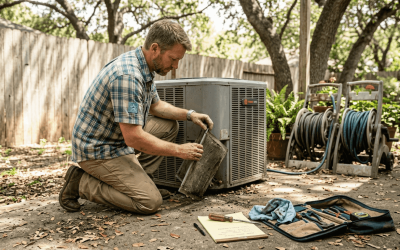
Maintenance plays a pivotal role in preserving your central air system’s performance and longevity. Regular tasks like replacing air filters every 1-3 months, scheduling professional annual inspections, and keeping outdoor units clear of debris can prevent unexpected breakdowns and maintain peak efficiency. Additionally, setting your system’s fan to ‘auto’ mode and utilizing circulating fans can help distribute cool air more effectively while reducing overall energy consumption.
Key cost and efficiency considerations include:
- SEER (Seasonal Energy Efficiency Ratio) rating
- Professional installation quality
- Regular maintenance schedule
- Age of existing equipment
- Home insulation and sealing
Texas homeowners looking to optimize their cooling systems can find more comprehensive guidance in our HVAC System Types Explained resource, which provides deeper insights into energy-efficient cooling solutions.
Stay Cool and Confident with Expert Central Air Solutions
Understanding how your central air system works is the first step toward a more comfortable home. If you struggle with uneven cooling, rising energy bills, or frequent system breakdowns, these challenges could be signs your central air conditioning needs professional attention. From the outdoor condensing unit to indoor evaporator coils and ductwork, every component must perform perfectly to keep your home cool and efficient.

Don’t let confusion or discomfort affect your peace of mind. At Colley Refrigeration, we specialize in full-service HVAC solutions tailored to Lake Jackson and surrounding Texas areas. Whether you need reliable repairs, routine maintenance, or a brand-new installation, our 47 years of expertise ensure your central air system runs smoothly. Learn more about our trusted team and services through our Heating and Air Conditioning Archives or explore options for your cooling needs in the Air Conditioning Service Archives. Take control of your home comfort now by visiting our website and scheduling your service today.
Frequently Asked Questions
What is a central air conditioning system?
A central air conditioning system is a home cooling system designed to provide consistent temperature control throughout your living space by circulating cool air via ducts.
How does a central air conditioning system work?
Central air conditioning works by removing warm air from inside your home, processing it through components like a compressor and evaporator coil to cool it down, and then redistributing the cooled air throughout your home.
What are the main components of a central air conditioning system?
The main components include an outdoor condensing unit, indoor evaporator coil, compressor, refrigerant lines, and ductwork that distributes cooled air.
What are the different types of central air conditioning systems?
There are two primary types: split-system central air conditioners, which have separate indoor and outdoor units, and packaged central air conditioners, which are all-in-one units installed outdoors.
Recommended
- Understanding Air Conditioning Basics for Texas Homes – Colley Refrigeration
- HVAC System Types Explained: Complete Comparison Guide – Colley Refrigeration
- HVAC Explained: Complete Guide for Texas Homes & Businesses – Colley Refrigeration
- 7 Types of Air Conditioning Units You Need to Know – Colley Refrigeration
- What Is Solar Air Conditioning & How Does It Work?
- Why Filter Indoor Air: Complete Guide for Homeowners – Coway Water Purifier