Did you know that over 80 percent of HVAC breakdowns are linked to neglected air filters? A dirty or mismatched filter can quietly increase your bills, lower air quality, and put your entire system at risk. With the right steps, you can avoid these problems and enjoy cleaner air and better comfort each season.
Quick Summary
| Key Point | Explanation |
|---|---|
| 1. Identify your air filter type | Know your specific air filter type for correct maintenance and performance. |
| 2. Follow manufacturer recommendations | Check the user manual for replacement frequency and MERV rating for optimal efficiency. |
| 3. Look for replacement indicators | Monitor for excessive dirt and reduced airflow to determine when to change the filter. |
| 4. Schedule regular inspections | Create a reminder to check filters monthly for timely replacements and improved indoor air quality. |
| 5. Assess airflow after replacement | Check airflow strength from vents post-replacement to ensure effective filtration and comfort. |
Step 1: Identify the Type of Air Filter Installed
Knowing exactly what type of air filter you currently have installed is crucial for proper maintenance and replacement. According to American Standard Air, HVAC systems use several different filter types that impact your home’s air quality and system performance.
Start by locating your current air filter. It will typically be found in the return air duct or inside the blower compartment of your HVAC system. Pull out the existing filter and examine its physical characteristics closely. Common filter types include flat paneled fiberglass filters, pleated media filters, and electrostatic filters.
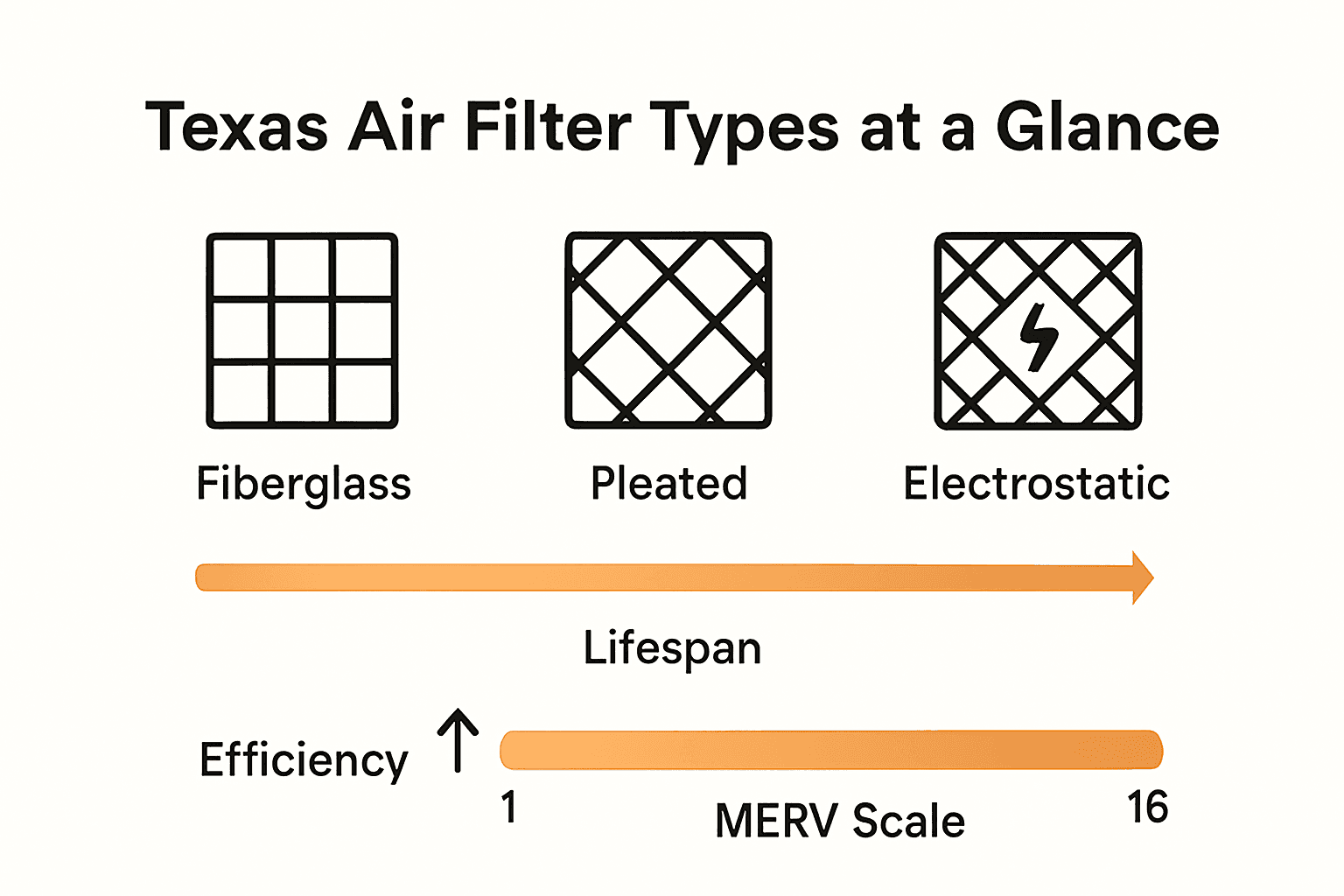
Here’s a comparison of common HVAC air filter types:
| Filter Type | Appearance | Lifespan | Efficiency (MERV) |
|---|---|---|---|
| Fiberglass | Thin, flat mesh | 30 days | Low (1-4) |
| Pleated | Folded media, thicker | 60-90 days | Moderate (5-13) |
| Electrostatic | Static-charged, washable | Up to 6 months | Moderate-High (8-12) |
Look for clear indicators like the filter’s thickness and material composition. Fiberglass filters are thin and flat with a basic mesh design. Pleated filters have folded media creating more surface area for trapping particles. Electrostatic filters might have a slightly different appearance with static charge capabilities for enhanced particle collection.
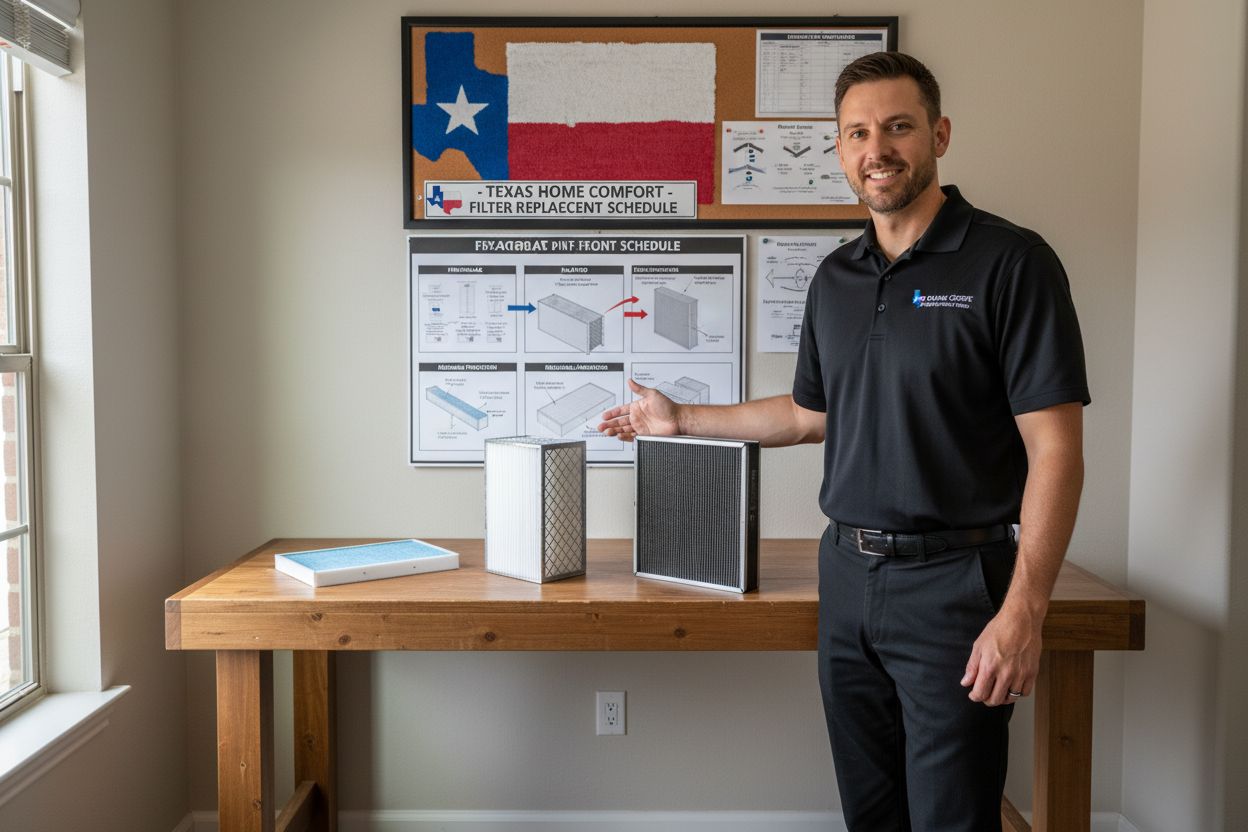
Pro Tip: Write down the exact filter dimensions printed on the side before removing the old filter. This ensures you purchase the correct replacement size.
If you are uncertain about your specific filter type, snap a clear photo and consult with a professional HVAC technician who can provide precise identification.
 As Call Hamilton notes, understanding your filter type helps maintain optimal system efficiency and indoor air quality.
Step 2: Check Manufacturer and HVAC Recommendations
Navigating manufacturer recommendations for air filter replacement is key to maintaining your HVAC system’s performance and longevity. According to Dimatic Control, manufacturers typically suggest different replacement intervals based on filter type and usage conditions.
Locate your HVAC system’s user manual or manufacturer documentation. These resources provide specific guidance on filter replacement frequency. Generally, fiberglass filters need replacement every 30 days, while pleated filters can last between 60 to 90 days. Your specific usage pattern including home occupancy, pet presence, and local air quality will influence these recommendations.
Pay close attention to the recommended MERV rating for your system.
As BJ Refrigeration explains, the right MERV rating impacts both indoor air quality and HVAC system efficiency. A filter that is too restrictive can strain your system, while one that is too loose might not effectively capture airborne particles.
Pro Tip: If you cannot locate your original manual, most manufacturers provide digital copies on their websites or can email a replacement upon request.
For personalized advice tailored to your specific HVAC system, consider consulting our preventative maintenance guide which offers detailed insights into proper system care and maintenance.
Step 3: Evaluate Signs That Indicate Replacement
Recognizing when your air filter needs replacement is crucial for maintaining your HVAC system’s efficiency and indoor air quality. According to Dimatic Control, there are several key indicators that signal it is time to swap out your current filter.
Visual inspection is your first line of defense. Pull out your current air filter and examine its condition carefully. A healthy filter should appear relatively clean with minimal dust buildup. If you notice a thick layer of dirt covering most of the filter surface or visible gray or dark patches blocking the filter material, it is time for a replacement. Excessive dirt accumulation restricts airflow and forces your HVAC system to work harder.
Pay attention to your home’s overall comfort and performance. Reduced airflow from vents, unexplained increases in energy bills, and a noticeable decline in indoor air quality are all warning signs. As Call Hamilton notes, changes in air quality can directly indicate filter performance issues.
Pro Tip: If you cannot remember the last time you changed your filter or it looks significantly dirty, replace it immediately to prevent potential system damage.
Explore our guide on extending your HVAC system’s lifespan to learn more about maintaining optimal system performance through regular filter maintenance.
Step 4: Schedule Regular Filter Inspections
Establishing a consistent filter maintenance routine is essential for keeping your HVAC system running smoothly. Dimatic Control recommends implementing strategic practices to ensure timely filter care and replacement.
Create a digital or physical calendar reminder to check your air filter monthly. Use your smartphone calendar, a home maintenance app, or a simple wall calendar to mark consistent inspection dates. Writing the installation date directly on the filter frame helps you track exactly how long the current filter has been in use and when it might need replacement.
Consider purchasing filters in bulk to streamline your maintenance process. This approach saves time and ensures you always have a replacement on hand when needed. According to BJ Refrigeration, regularly inspecting and replacing your HVAC filter is crucial for maintaining indoor air quality and system efficiency.
Pro Tip: Set up automatic recurring reminders and keep a small inventory of replacement filters in a clean, dry storage area to make maintenance seamless.
Learn more about maintaining your HVAC system through our preventative maintenance guide to ensure long term performance and reliability.
Step 5: Verify Improved Airflow and Indoor Quality
After replacing your air filter, it is crucial to assess the immediate impact on your home’s comfort and air circulation. Dimatic Control emphasizes that choosing the right filter and maintaining it properly helps balance filtration needs with system capacity.
Start by conducting a simple airflow test throughout your home. Walk from room to room and feel the air coming from your vents. A new, clean filter should produce stronger and more consistent airflow. Notice whether rooms that previously felt stuffy now feel more comfortable and if air is moving more freely through your living spaces.
Pay attention to subtle changes in indoor air quality. According to BJ Refrigeration, selecting an appropriate MERV rating enhances both air quality and system efficiency. You might notice reduced dust on surfaces, less visible airborne particles, and an overall fresher feeling in your home.
Pro Tip: Use a small handheld piece of tissue near vents to check airflow strength. If the tissue moves consistently and strongly, your new filter is working effectively.
Explore our preventative maintenance guide to continue optimizing your HVAC system’s performance and air quality.
Keep Your Texas Home Comfortable with Expert Air Filter Care
Struggling to remember when to replace your HVAC air filter or unsure if your current filter fits your system’s needs We understand the frustration of dealing with poor airflow, rising energy bills, and diminished indoor air quality that often come with neglected filters Through this guide’s practical steps you now know how vital it is to identify your filter type, follow manufacturer recommendations, watch for replacement signs, and maintain a regular inspection schedule
Don’t let a dirty or wrong filter put your system under stress Our team at Colley Refrigeration brings over 47 years of trusted local expertise to help Lake Jackson and Texas residents protect their HVAC investments and breathe easier every day

Take control of your home’s air quality today by scheduling a professional filter checkup or system tune-up with us. Visit Colley Refrigeration for transparent pricing, fast service, and reliable solutions tailored to your HVAC needs. Explore our Preventative Maintenance Guide and learn how regular care ensures peak performance and comfort year-round. Don’t wait until poor air quality affects your family’s health—act now and experience the difference expert care makes.
Frequently Asked Questions
How often should I replace my air filter?
Replacing your air filter typically depends on the filter type. Fiberglass filters should be changed every 30 days, while pleated filters can last 60-90 days. Schedule your replacements based on your filter type to ensure optimal air quality.
What signs indicate that I need to replace my air filter?
Look for signs like reduced airflow from vents, higher energy bills, or visible dirt on the filter. If your filter appears heavily soiled or your home feels stuffy, replace it immediately to avoid further HVAC system strain.
How can I remember when to check or replace my air filter?
Set a monthly reminder in your smartphone or on a calendar to check your air filter. This simple action helps you stay proactive about filter maintenance and ensures better HVAC performance.
What should I do if I’m unsure about my current air filter type?
If you’re uncertain about your air filter type, remove it and inspect its physical characteristics. Alternatively, take a clear photo of it and consult with a professional to ensure you replace it correctly.
Can using a higher MERV rating filter improve my indoor air quality?
Yes, higher MERV rating filters can enhance your indoor air quality by capturing smaller particles more effectively. However, make sure the MERV rating is compatible with your HVAC system to prevent strain on the unit.
How can I check the airflow in my home after replacing the filter?
Conduct a simple test by holding a small piece of tissue near your vents. If the tissue moves strongly, your new filter is effectively improving airflow throughout your home.