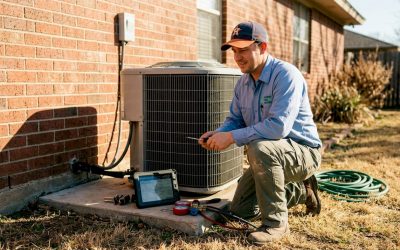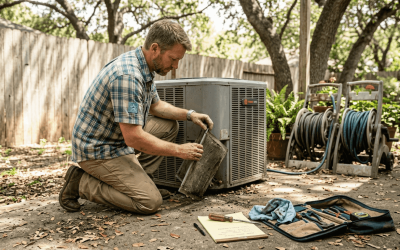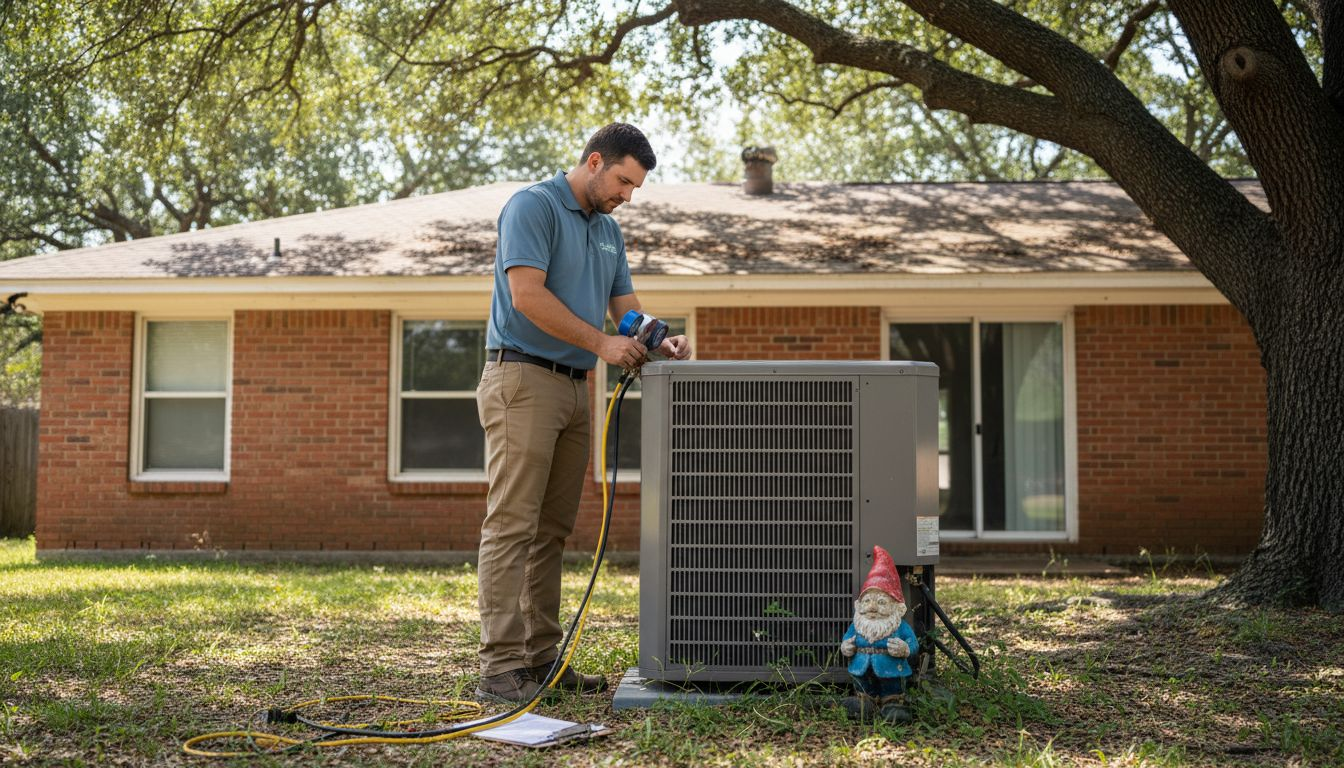
When your cooling system struggles in the sweltering Lake Jackson heat, simple fixes like changing an air filter rarely solve deeper issues. Many homeowners confuse basic troubleshooting with true HVAC diagnostics, not realizing that professional testing involves precise tools and methods to reveal hidden problems. Learning the difference between quick checks and systematic performance evaluation helps you catch efficiency losses early, reduce energy costs, and avoid expensive repairs down the line.
Key Takeaways
| Point | Details |
|---|---|
| Understanding HVAC Diagnostics | HVAC diagnostics involves comprehensive assessment techniques to identify system performance issues, beyond simple troubleshooting. Accurate diagnostics prevent unnecessary costs by addressing underlying problems. |
| Recognizing Warning Signs | Homeowners should learn to identify early symptoms of HVAC problems, such as uneven temperatures and abnormal noises, to avoid costly repairs. Regular monitoring can lead to timely interventions and maintain system efficiency. |
| Evaluating Repair vs. Replacement | Homeowners should consider long-term costs and benefits when facing repairs, ensuring investments in efficient systems over cheap, short-term fixes. An informed approach can significantly impact future expenses and comfort. |
| Importance of Professional Standards | Always seek certified technicians who follow industry safety standards and provide documented findings for repairs. This ensures quality service, safety, and effective maintenance of your HVAC system. |
Defining HVAC Diagnostics and Common Misconceptions
HVAC diagnostics is far more than simply replacing a thermostat battery or checking if your air filter is dirty. When we talk about diagnostics, we’re referring to a systematic process of evaluating your heating, cooling, and ventilation system’s performance to identify underlying problems. Think of it like a doctor’s physical exam for your home. A technician uses specialized equipment and methods to measure how well your system is actually working, where energy is being wasted, and what might be causing comfort issues or higher-than-normal energy bills.
One of the biggest misconceptions Lake Jackson homeowners have is that diagnostics and basic troubleshooting are the same thing. They’re not. In-depth diagnostic testing involves professionals using calibrated equipment such as blower door tests, duct leakage testers, combustion analyzers, and infrared thermal cameras to measure system performance with precision. A homeowner might notice their upstairs bedroom feels warm while the living room stays cool, but diagnostics will reveal whether that’s caused by duct leakage, improper airflow balance, inadequate insulation, or a refrigerant issue. This distinction matters because it changes how the problem gets solved. Without proper diagnostics, you might spend money on the wrong repair.
Another common misunderstanding involves the scope of what diagnostics can reveal. Many people think diagnostics are only necessary when something is obviously broken. In reality, diagnostics serve three critical purposes: they identify existing problems, they catch problems before they become expensive failures, and they baseline your system’s current efficiency so you can track improvements over time. Your HVAC system might be operating at 40% efficiency while you think it’s working normally. You won’t know until someone measures it. This is especially true in Texas heat, where an underperforming cooling system costs you significantly in energy bills month after month.
The term “HVAC diagnostics” itself sometimes confuses homeowners because it encompasses both the process and the findings. When a technician says they’re performing diagnostics, they mean they’re conducting a detailed inspection and testing protocol. When they deliver diagnostic results, they’re providing you with data about your system’s condition. Understanding standard HVAC terminology and definitions helps clarify these concepts and ensures you and your technician are speaking the same language about what’s actually happening with your system.
Here’s what separates quality diagnostics from guesswork: proper diagnostics create a documented baseline of your system’s performance and provide specific measurements rather than subjective opinions. Instead of “your system seems to be running hot,” you get actual temperature readings, airflow measurements, and efficiency calculations. This documentation becomes invaluable when making repair decisions, planning upgrades, or comparing quotes from different contractors.
Here’s a quick reference comparing basic troubleshooting with professional HVAC diagnostics:
| Aspect | Basic Troubleshooting | Professional Diagnostics |
|---|---|---|
| Approach | Visual inspection or guessing | Systematic measurement & analysis |
| Tools Used | Simple hand tools | Specialized calibrated equipment |
| Accuracy | Subjective opinions | Objective data and measurements |
| Problem Detection | Obvious failures only | Identifies hidden and subtle issues |
| Documentation | Rarely provided | Detailed written reports |
Pro tip: Ask any HVAC contractor to provide written diagnostic findings with specific measurements and equipment used, not just verbal opinions about your system’s condition.
Recognizing Key HVAC Symptoms and Warning Signs
Your HVAC system communicates its problems to you constantly. Most homeowners just don’t know the language yet. The good news is that learning to spot warning signs early can save you thousands of dollars in emergency repairs and prevent your system from failing during the most uncomfortable times of year in Lake Jackson. The key is understanding what normal operation sounds and feels like, then noticing when things change.
One of the most obvious warning signs is uneven temperature distribution throughout your home. If your upstairs is significantly warmer than your downstairs, or if certain rooms stay cold while others feel stuffy, your system is struggling to distribute conditioned air properly. This could indicate ductwork issues, refrigerant problems, or airflow blockages. Another critical symptom is abnormal noises coming from your indoor or outdoor units. Grinding, squealing, rattling, or hissing sounds all mean something internal is wearing out or damaged. A well-functioning system should run relatively quietly, with just a gentle hum. When you hear anything else, that’s your system telling you it needs attention. Additionally, reduced airflow from your vents is a red flag. Place your hand near a vent. If you barely feel air movement, your system is working harder than it should be, which accelerates wear and increases energy costs.
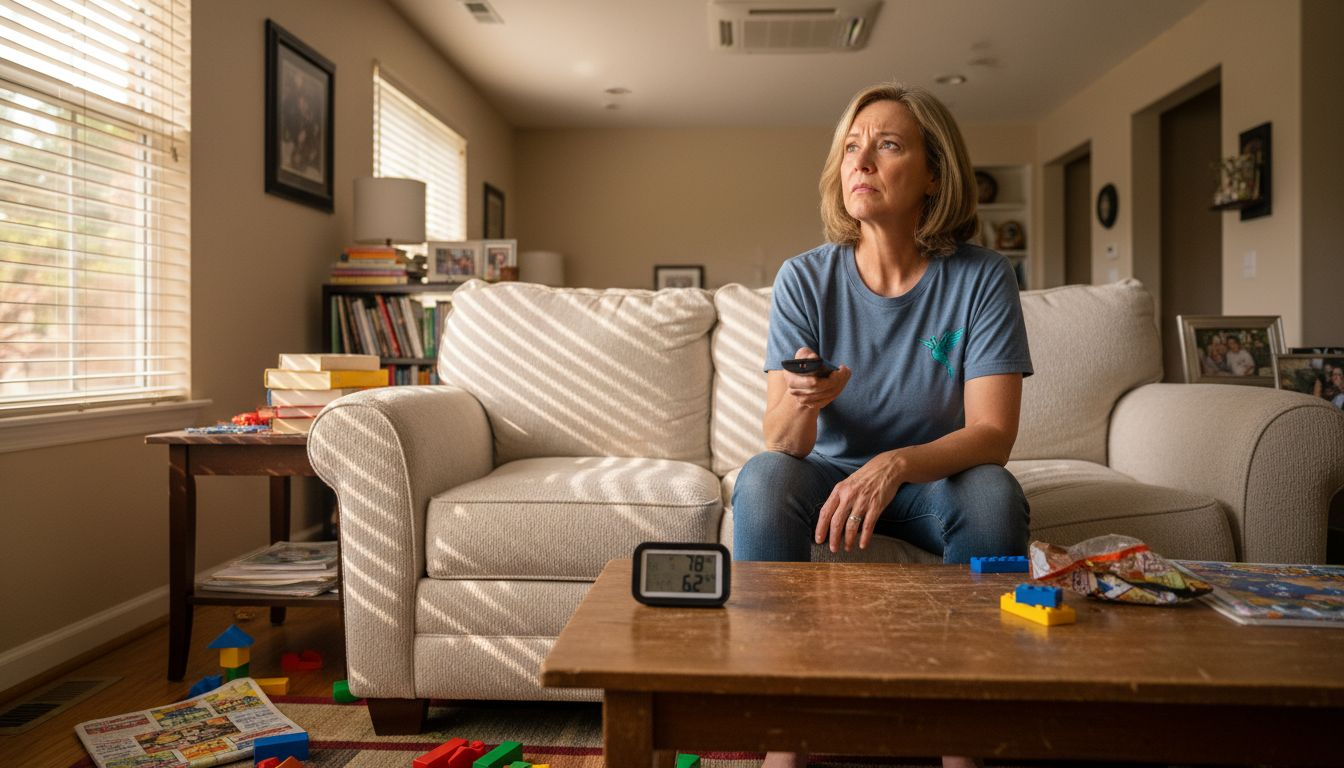
Typical HVAC problems like poor thermal comfort, irregular cycling, and system inefficiencies often develop gradually, which is why many homeowners miss them until they become serious. Your energy bills are another powerful diagnostic tool. A sudden jump in your cooling or heating costs, even with similar weather patterns, suggests your system’s efficiency is declining. This happens with refrigerant leaks, dirty coils, failing compressors, or clogged filters. You might also notice your system cycling on and off more frequently than usual, struggling to maintain your set temperature. In Lake Jackson’s heat and humidity, a properly functioning AC system should run consistently without rapid cycling.
Other warning signs deserve your immediate attention. Visible leaks or moisture around your indoor unit indicate refrigerant loss or condensation drainage problems. Foul odors coming from your vents could mean mold growth inside your ductwork or a dead animal in the system. Electrical tripping or breaker issues suggest your system is drawing too much power, possibly due to a failing compressor. The bottom line is this: your HVAC system’s lifespan, your comfort level, and your monthly energy bills all depend on catching problems early. When you notice any of these symptoms, don’t wait and hope they’ll resolve themselves. Small issues grow into expensive failures remarkably fast.
Pro tip: Keep a simple log of your monthly energy bills and system behavior, noting any unusual sounds or temperature changes, so you can identify patterns and provide accurate information to your technician during diagnostics.
Essential Steps in Professional Diagnostic Testing
Professional HVAC diagnostic testing isn’t something a technician does in five minutes while checking your thermostat. It’s a methodical process that requires specialized equipment, training, and time. When a qualified technician arrives at your Lake Jackson home to perform diagnostics, they’re following a structured protocol designed to uncover exactly what’s happening with your system. Understanding these steps helps you appreciate why proper diagnostics take time and why they’re worth the investment.
The process begins with a visual inspection and system walkthrough. The technician examines your indoor and outdoor units, looks for visible damage, checks electrical connections, and reviews your system’s age and maintenance history. They’ll ask you detailed questions about how your system is performing, when problems started, and what comfort issues you’re experiencing. This conversation provides context for what the equipment measurements will reveal. Next comes airflow testing, where technicians measure how much conditioned air is actually flowing through your ducts and vents. Reduced airflow points to filter blockages, duct leaks, or fan problems. They also perform temperature differential testing, measuring the difference between air entering and leaving your system to determine if your cooling or heating is operating at design capacity.
Comprehensive diagnostic testing uses specialized equipment, including blower door tests, duct leakage testers, combustion analyzers, and infrared thermal cameras to assess system performance thoroughly. A blower door test measures how tight your home’s envelope is by detecting air leakage, which affects how hard your HVAC system must work. Duct leakage testing pressurizes your ductwork to find leaks that waste conditioned air before it reaches your rooms. In Texas heat, duct leaks can cost you hundreds of dollars annually in wasted cooling. Infrared thermal imaging detects temperature anomalies in walls, ceilings, and around ductwork that indicate insulation problems or hidden system issues. The technician might also test refrigerant levels and pressure to identify leaks, check electrical components for proper operation, and run combustion safety tests if you have a gas furnace or heating system.
Documentation is where quality diagnostics separate from basic service calls. A thorough diagnostic report includes specific measurements with actual numbers, not vague opinions. You should see airflow rates in cubic feet per minute, temperature differentials in degrees, refrigerant pressures, voltage readings, and duct leakage percentages. Following standardized inspection and maintenance procedures ensures consistent, professional assessment. The report should explain what each measurement means and how it relates to your system’s performance. A professional diagnostician will identify root causes, not just symptoms. Instead of telling you “your system runs hot,” they’ll explain that ductwork leakage in your attic is allowing 30% of your cooled air to escape before reaching your living spaces, and they’ll recommend specific solutions.
The final step involves system recommendations and cost estimates. Based on diagnostic findings, your technician should prioritize repairs by urgency and impact. Some problems need immediate attention to prevent failure or safety issues, while others can be scheduled strategically. Understanding the diagnostic process helps you ask better questions and make informed decisions about your HVAC investment.
Pro tip: Request a copy of your complete diagnostic report with measurements, photos, and detailed findings before making any repair decisions, and compare the findings with a second opinion if the recommended work exceeds $1,500.
Technicians’ Roles and Industry Safety Standards
When an HVAC technician shows up at your Lake Jackson home, they’re not just there to fix your system. They’re trained professionals operating under strict safety protocols designed to protect both themselves and your family. Understanding what technicians do and the safety standards they follow helps you appreciate the expertise you’re paying for and ensures you’re working with qualified professionals who take their responsibilities seriously.
An HVAC technician’s primary role is to install, maintain, repair, and diagnose heating, cooling, and ventilation systems. But that job description barely scratches the surface of what they actually do. Technicians work with electrical systems that can deliver fatal shocks, handle refrigerants that can cause serious injuries if mishandled, lift heavy equipment that requires proper technique to avoid back injuries, and navigate confined spaces like attics and crawl spaces. They troubleshoot complex mechanical and electronic problems, read technical blueprints, perform precision measurements, and make decisions about system repairs that affect your comfort and safety. This requires extensive training, certification, and ongoing education to stay current with evolving technology and regulations.
The HVAC industry operates under comprehensive safety standards that technicians must follow. HVAC technicians adhere to safety practices, including proper personal protective equipment, OSHA compliance, and workplace hazard assessment, to minimize risks while working with electrical equipment, heavy machinery, and hazardous materials like refrigerants. When a technician arrives wearing safety glasses, gloves, and specialized tools, that’s not an optional procedure. Those safeguards protect them from electrical shock, cuts from sharp sheet metal, chemical burns from refrigerants, and other occupational hazards. Refrigerant handling particularly matters because improper release can damage the ozone layer and expose technicians and occupants to harmful substances. Certification requirements ensure technicians have passed exams demonstrating knowledge of safe refrigerant handling, electrical safety, and system operation. Many technicians must obtain EPA certification specifically for handling refrigerants before they can legally work on air conditioning systems.
Industry standards and guidelines developed by ASHRAE establish practices for inspection, maintenance, and safe system operation that protect both technician and occupant safety. These standards address everything from proper installation techniques to maintenance intervals that keep systems running safely. Quality HVAC companies require their technicians to follow these standards consistently, which means they conduct thorough inspections, document their work, maintain proper certifications, and carry liability insurance. When you hire a technician, asking about their certifications, insurance, and whether they follow ASHRAE standards helps you identify professionals committed to doing the job correctly. A technician who rushes through your system without proper diagnostics or skips safety procedures is taking shortcuts that could lead to problems later.
Beyond technical skills, professional HVAC technicians serve as trusted advisors. They should explain what they find in your system using language you understand, answer your questions honestly, provide written estimates before starting work, and help you make informed decisions about repairs and maintenance. The best technicians balance technical expertise with customer communication, ensuring you know what’s being done and why.
Pro tip: Ask any HVAC technician about their EPA certification, years of experience, and whether their company carries liability insurance before hiring them, and request that they explain their findings and recommendations in writing.
Costs, Repair Options, and How to Avoid Mistakes
When your HVAC technician presents you with diagnostic findings and repair recommendations, the conversation often shifts to cost. This is where many Lake Jackson homeowners make decisions they later regret. Understanding the true cost of repairs versus replacement, and how to evaluate your options strategically, prevents you from throwing money at problems that demand a different solution entirely.
The biggest mistake homeowners make is treating HVAC decisions as a single transaction rather than a long-term investment. A cheap repair today that extends a dying system’s life by six months costs you more overall than investing in a quality repair or replacement that gives you five more years of reliable operation. Effective cost management in HVAC systems weighs initial installation costs against lifecycle costs, including maintenance, energy use, and repairs, to optimize long-term value. When evaluating repair quotes, ask your technician three critical questions: How much longer will this repair extend my system’s life? What’s the likelihood this problem will recur? And how does this repair cost compare to replacement? If your 15-year-old air conditioner needs a $3,500 compressor replacement and a new system costs $7,000 to $8,000, replacement might be the smarter choice. You avoid another failure in two years, you gain new equipment warranty coverage, and your energy bills drop with modern efficiency ratings.
Repair options typically fall into three categories: minor repairs under $500, major component replacements between $1,000 and $3,500, and full system replacement above $5,000. Minor repairs are almost always worth doing. A refrigerant leak fix, capacitor replacement, or blower motor repair extends your system’s functional life significantly. Major repairs warrant careful consideration. If your compressor fails on a system older than 12 years, replacement usually makes more financial sense. A failed heat exchanger on a furnace means it’s time for a new heating system. Full system replacements become necessary when multiple components fail simultaneously, when your system can’t handle your home’s cooling load, or when energy costs have become unreasonable. Modern high-efficiency systems can reduce your cooling bills by 20% to 40% compared to older units, which pays back the investment faster than you might expect in Lake Jackson’s climate.
The table below summarizes typical HVAC repair options by cost, impact, and when replacement makes sense:
| Repair Type | Cost Range | Best Use Case | Consider Replacement When |
|---|---|---|---|
| Minor repairs | $100–$500 | Extend system life, quick fixes | System older than 12-15 years |
| Major component repair | $1,000–$3,500 | Compressor, heat exchanger, key part | Multiple failures or high costs |
| Full system replacement | $5,000+ | Old systems, major upgrades, higher efficiency | Energy bills rising, warranty expired |
Common mistakes that inflate repair costs include ignoring preventive maintenance, waiting too long before addressing problems, and hiring contractors who skip diagnostics. Skipping annual maintenance means your system fails unexpectedly, often at the worst times. Waiting until your air conditioner stops cooling entirely in July means you’re negotiating from desperation rather than choice. And contractors who estimate repairs without proper diagnostics often prescribe the wrong solution, leading to wasted money and continued problems. Following quality standards emphasizing thorough diagnostics, proper installation, and preventive maintenance reduces unnecessary repairs and long-term expenses. Another mistake is comparing quotes without understanding what’s included. One quote might include ductwork sealing, system testing, and a warranty. Another might be a bare bones repair with no guarantees. The lowest price rarely represents the best value.
Here’s how to navigate repair decisions strategically: Get written diagnostic reports from at least one qualified technician before making any decisions over $1,000. Request itemized quotes showing exactly what work is included, what equipment or parts are specified, and what warranty coverage you receive. Ask about financing options if cost is a barrier. Quality HVAC companies often offer interest-free financing through third-party lenders, making major repairs or replacements more manageable. Finally, consider your home’s timeline. If you’re selling in two years, a major system replacement might not make financial sense. If you’re staying long-term, modern, efficient equipment becomes a better investment.
Pro tip: Create a spreadsheet comparing repair versus replacement costs, factoring in estimated repair frequency over the next five years, average energy bills, and warranty coverage to make decisions based on long-term financial impact rather than sticker shock.
Take Control of Your Home Comfort with Expert HVAC Diagnostics
Understanding your HVAC system’s hidden issues is the first step toward lasting comfort and savings. This article reveals common symptoms like uneven cooling, abnormal noises, and rising energy bills that signal urgent diagnostic needs. Don’t let guesswork or overlooked problems drain your wallet or disrupt your peace at home. With precise measurements and detailed reports, professional diagnostics can uncover root causes such as duct leaks or refrigerant losses before they escalate.

Trust Colley Refrigeration’s 47 years of expertise to provide thorough inspections and transparent solutions. Explore our comprehensive Heating and Air Conditioning Archives – Colley Refrigeration and dependable HVAC maintenance Archives – Colley Refrigeration for full-service repair, maintenance, and installations. Act now to prevent costly repairs and enjoy reliable, efficient cooling all year in Lake Jackson. Visit https://colleyrefrigeration.com to schedule your professional diagnostic service today.
Frequently Asked Questions
What are common signs that my HVAC system needs diagnostics?
Uneven temperature distribution, abnormal noises, reduced airflow, and sudden spikes in energy bills are key signs that your HVAC system may need professional diagnostics.
How does HVAC diagnostics differ from basic troubleshooting?
HVAC diagnostics involves a systematic evaluation using specialized equipment to identify underlying problems, whereas basic troubleshooting often relies on visual inspections and subjective opinions without precise measurements.
Why is it important to perform HVAC diagnostics even if my system seems to be working normally?
Performing diagnostics allows you to identify hidden issues, catch problems before they escalate, and measure your system’s efficiency, which can ultimately save you money on energy bills and repairs.
What should I expect during a professional HVAC diagnostic test?
During a diagnostic test, a technician will conduct a visual inspection, perform airflow and temperature testing, use specialized equipment to assess system performance, and provide detailed written reports on their findings and recommendations.