Texas summers in Pearland can push air conditioning systems to their limits, leaving many homeowners searching for ways to cut energy costs and avoid last-minute repairs. Managing a comfortable home while keeping expenses under control is challenging when your HVAC system works overtime for months. A modern HVAC monitoring system gives you real-time insight into your system’s performance, helping you spot issues before they turn costly and make smarter choices for both comfort and efficiency.
Key Takeaways
| Point | Details |
|---|---|
| HVAC Monitoring Systems | These systems provide real-time data on HVAC performance and energy use, enhancing efficiency and comfort. |
| Types of Monitoring Solutions | Options range from smart thermostats for basic tracking to comprehensive whole-home systems for detailed analysis. |
| Cost vs. Savings | Initial investment is offset by significant energy savings and proactive maintenance, reducing long-term costs. |
| Value for Rental Properties | Monitoring systems improve tenant satisfaction and allow for proactive maintenance, reducing emergency repair costs. |
What Is an HVAC Monitoring System?
An HVAC monitoring system is technology that watches your heating and cooling equipment in real time, collecting data about how your system operates and how much energy it uses. Think of it as a health monitor for your home’s climate control. Instead of simply turning your air conditioning or heat on and off, these systems track performance metrics continuously and alert you when something isn’t working as it should. Modern monitoring systems use IoT-based sensors and cloud platforms to gather detailed information about your HVAC equipment’s performance, indoor comfort levels, and energy consumption patterns. This data flows to a central dashboard or mobile app where you can see exactly what’s happening with your system at any moment.
The core purpose of an HVAC monitoring system is threefold: improve energy efficiency, maintain consistent indoor comfort, and catch problems before they become expensive repairs. When you understand how your system performs, you can make informed decisions about when to adjust temperatures, when to schedule maintenance, and whether upgrades might save you money. For Pearland homeowners specifically, this matters because our Texas climate demands a lot from air conditioning systems during the hot months. A monitoring system shows you if your equipment is struggling to maintain temperature settings, cycling on and off too frequently, or consuming more energy than it should. You also get predictive maintenance alerts, which means you’ll know a component needs attention before it fails completely, potentially saving you from costly emergency service calls.
These systems come in different configurations depending on your home’s setup. Some work with existing HVAC equipment through aftermarket sensor installations, while others are built into newer units or whole-home systems. The data collected typically includes temperature readings, humidity levels, system runtime, energy usage in real time, and alerts about temperature inconsistencies between rooms. When comparing different system types, understanding how your current HVAC operates helps you determine what monitoring capabilities would benefit you most. Whether your home has a traditional central system, a ductless mini split setup, or multiple zones, there’s a monitoring solution that can track performance and help you optimize both comfort and costs.
Pro tip: Start by checking if your current HVAC system has built-in smart capabilities before investing in aftermarket monitoring, as newer units often include basic tracking features you may not be using yet.
Types of Monitoring Systems for Residential Use
Monitoring systems vary significantly depending on what type of HVAC equipment your Pearland home has. The good news is that smart HVAC systems integrate sensors, smart thermostats, and Wi-Fi control to make real-time data collection straightforward regardless of your setup. Some monitoring solutions are designed specifically for forced-air systems that use ductwork throughout your home, while others work best with ductless mini-splits or heat pumps. Understanding which monitoring type fits your current system matters because it determines what data you’ll access and how easily you can implement it. A system that works beautifully for a homeowner with a traditional central air unit might not be the right fit for someone with a ductless setup in a newer home.
Smart Thermostats and Integrated Monitoring
The simplest entry point into HVAC monitoring is a smart thermostat. These devices replace your standard wall thermostat and provide basic tracking of temperature, humidity, and system runtime. They connect to your home Wi-Fi, allowing you to adjust settings from your phone and see energy usage summaries. Some smart thermostats learn your schedule and preferences over time, automatically adjusting temperatures when you’re away or asleep to reduce energy costs. For many Pearland homeowners, this is where monitoring begins, and it often eliminates the need for more complex systems.
Whole-Home and Zone-Based Monitoring
If your home has multiple zones or you want detailed performance data beyond what a smart thermostat provides, whole-home monitoring systems offer expanded capabilities. These setups use multiple sensors placed throughout your home to track temperature and humidity in different areas, showing you exactly where your system performs well and where it struggles. Zone-based systems let you control different areas independently, which is particularly valuable if your Pearland home has a two-story layout or areas that get significantly hotter in summer. Some advanced whole-home systems include air quality monitoring, humidity control, and integration with smart home platforms for seamless automation.
Aftermarket Sensor Add-Ons
For homeowners with existing HVAC systems that aren’t smart-enabled, aftermarket monitoring sensors can be installed to collect performance data. These wireless sensors attach to key components of your system and report back to a central hub, which communicates with a mobile app or web dashboard. This approach works well if you want monitoring capabilities without replacing your entire HVAC unit, though installation complexity varies depending on your system type and ductwork configuration.
Pro tip: Ask your HVAC technician which monitoring option aligns best with your current equipment during your next service visit, as some systems have compatibility limitations that matter before making a purchase decision.
Here’s how residential HVAC monitoring system types differ:
| System Type | Data Tracked | Typical Cost Range | Best For |
|---|---|---|---|
| Smart Thermostat | Temperature, humidity, runtime | $200–$400 | Basic usage, one-zone home |
| Whole-Home Monitoring | Room-level comfort, air quality | $1,000–$3,000 | Multi-zone, large homes |
| Aftermarket Sensors | Equipment performance, alerts | $300–$800 (installed) | Retrofitting older systems |
How HVAC Monitoring Improves Home Efficiency
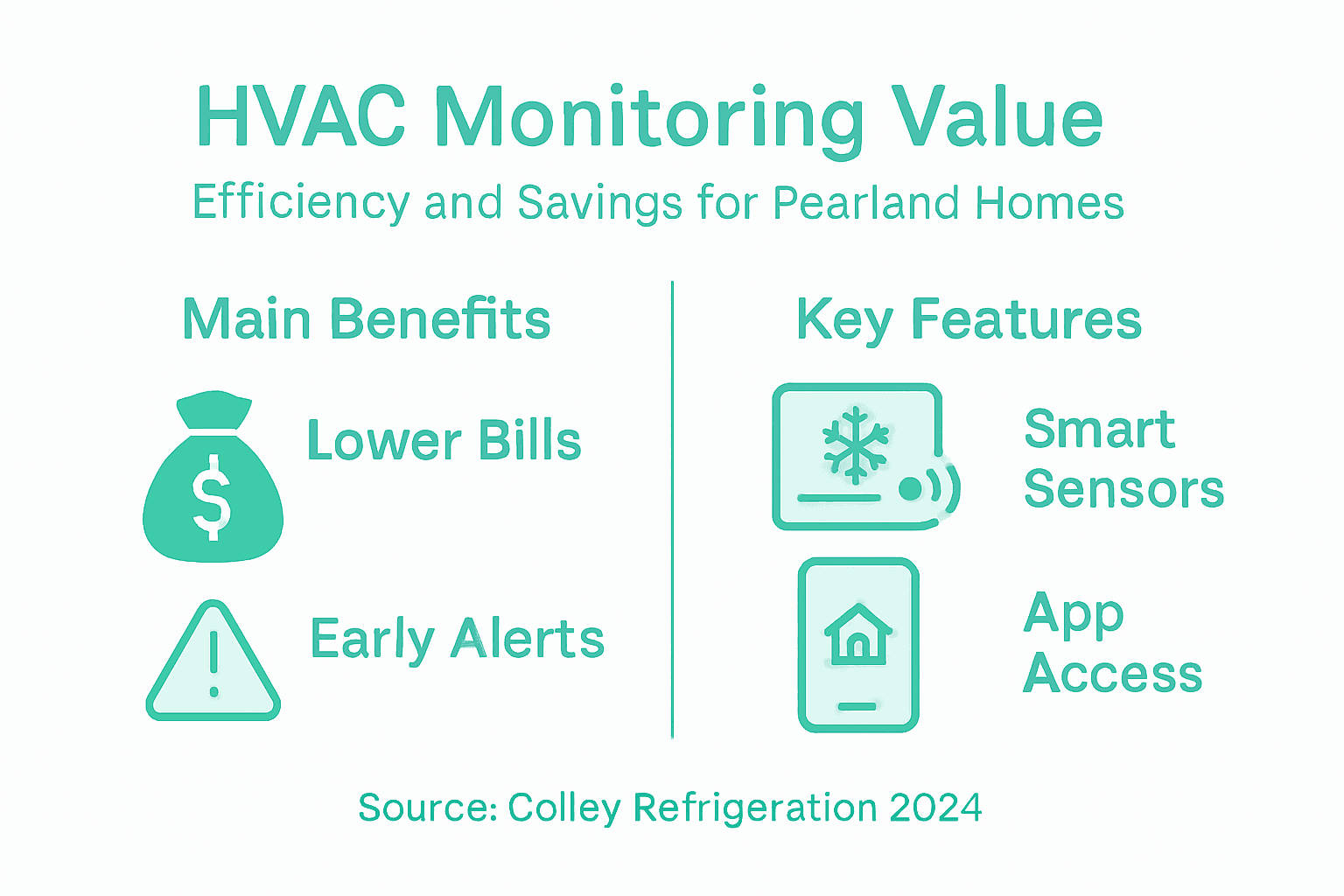
HVAC monitoring systems transform your home’s energy consumption by giving you visibility into exactly how your system operates. Most homeowners adjust their thermostats based on habit rather than actual performance data, which means they’re often running systems harder than necessary or missing obvious inefficiencies. When you have real-time tracking of consumption and operational parameters, you can identify where energy waste occurs and make adjustments that actually lower your utility bills. The numbers back this up: smart monitoring of HVAC systems significantly improves energy efficiency by enabling routine system cleaning and data analysis that can reduce energy consumption by up to 60 percent. For Pearland homeowners managing summer cooling loads that can stretch from May through October, that kind of savings translates directly to lower monthly electricity costs.
Identifying System Inefficiencies
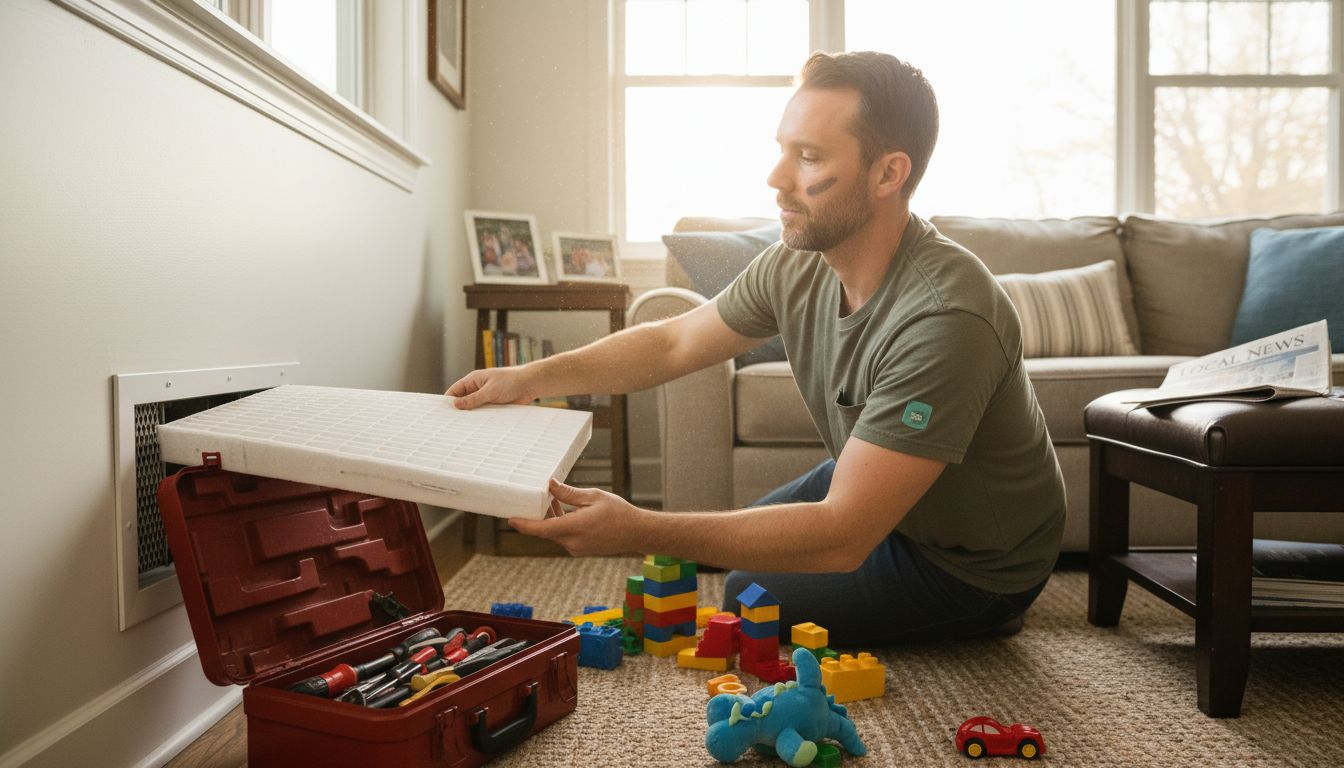
One of the biggest advantages of HVAC monitoring is catching problems early. Your system might be working, but if filters are clogged, ductwork has leaks, or components are wearing out, it’s consuming far more energy than it should. Monitoring systems provide continuous data on airflow, temperature consistency, and system cycling patterns that reveal these issues before they become emergencies. For example, if your system is cycling on and off every few minutes instead of running steady cycles, you’ll see that pattern in the monitoring data and know something needs attention. Continuous data on system health and airflow ensures proper filter status and identifies inefficiencies that might otherwise go unnoticed for months, extending your system’s life while reducing energy waste.
Optimizing Daily Operation
Monitoring systems help you optimize how you use your HVAC equipment on a daily basis. Smart monitoring shows you when your system is working hardest and why, allowing you to adjust your thermostat settings strategically. You might discover that your home cools down faster than you thought, meaning you can set the thermostat two degrees higher during the day without sacrificing comfort. You can see the exact cost of cooling specific rooms or zones, which helps you make informed decisions about whether to run your full system or use zone controls more effectively. Over time, this data lets you develop patterns of operation that maintain comfort while minimizing energy waste.
Proactive Maintenance Benefits
Preventing breakdowns is more cost-effective than fixing them after they happen. Monitoring systems alert you to maintenance needs before components fail, which means you can schedule service when it’s convenient rather than dealing with emergency calls when your air conditioning stops working on the hottest day of the year. By addressing small problems early, you avoid the cascade of damage that occurs when an HVAC system is forced to operate beyond its capacity. This proactive approach extends system life significantly and keeps your energy consumption stable throughout your system’s operational life.
Pro tip: Review your HVAC monitoring data monthly and look for patterns in when energy usage spikes, then test small thermostat adjustments to see if you can maintain comfort while reducing those peaks.
Costs, Savings, and Potential Drawbacks
Like any home improvement investment, HVAC monitoring systems come with upfront costs that need to be weighed against long-term savings. Smart thermostats range from around $200 to $400 for basic models, while more comprehensive whole-home monitoring systems can cost $1,000 to $3,000 or more, depending on your home’s size and complexity. Smart HVAC systems require a higher upfront investment due to sensor integration and IoT capabilities, which can feel like a significant barrier when you’re already managing a household budget. However, the long-term financial picture often tells a different story. Energy savings alone typically recover your initial investment within two to four years, especially in Texas, where air conditioning costs dominate summer utility bills. Beyond that payback period, you’re essentially running your cooling system more efficiently for free.
Understanding the Real Savings
The financial benefits extend beyond lower energy bills. Remote HVAC monitoring systems provide cost savings by reducing energy waste, minimizing downtime, and extending equipment lifespan through early issue detection. A single emergency HVAC repair call in Pearland can easily cost $300 to $800, depending on what needs fixing. If that repair happens on a weekend or holiday, you’re paying premium emergency rates. Monitoring systems catch problems before they become emergencies, meaning you schedule repairs during business hours at normal rates. Plus, when you extend your HVAC system’s lifespan by even two years through better maintenance and operation, you avoid replacing equipment that typically costs $5,000 to $10,000. The savings compound when you factor in reduced stress on the system and fewer service calls overall.
Potential Challenges Worth Considering
No technology is perfect, and monitoring systems have some real drawbacks that matter. Reliance on internet connectivity means that if your home Wi-Fi goes down or your internet service has problems, you lose real-time monitoring capability. Privacy concerns exist because these systems collect data about your energy use and home occupancy patterns, though reputable providers use encryption to protect that information. Some homeowners report false alarm alerts that require investigation, adding frustration, even if the actual system is fine. There’s also a learning curve with new technology, and some people simply prefer traditional systems without connected devices. For Pearland homeowners who prioritize simplicity over advanced features, a basic smart thermostat might deliver better value than an expensive whole-home system.
Below is a summary of main benefits versus challenges for HVAC monitoring systems:
| Aspect | Main Benefit | Key Challenge |
|---|---|---|
| Efficiency | Cuts energy bills significantly | Upfront device cost |
| Maintenance | Catches problems early | Some false alarms possible |
| Equipment Life | Extends system lifespan | Requires stable Wi-Fi |
| Usability | Easy remote access via apps | Learning new tech needed |
Making Your Decision
The right choice depends on your specific situation. If you’re planning to stay in your Pearland home for five or more years, have disposable income for the upfront investment, and want to lower energy costs significantly, monitoring systems make solid financial sense. If you’re planning to sell within a few years or prefer minimal technology in your home, the return on investment becomes less attractive. Consider starting with a smart thermostat to test whether you’ll actually use the monitoring features before investing in a comprehensive system.
Pro tip: Ask your HVAC contractor about bundled pricing when installing a new system with monitoring built in, as this often costs less than retrofitting monitoring to existing equipment.
Key Considerations for Pearland Rentals
If you own rental properties in Pearland, HVAC monitoring systems present a different value proposition than they do for owner-occupied homes. Your tenants expect reliable climate control, and any HVAC breakdown can trigger emergency repair costs, tenant complaints, and potential lease violations. Monitoring systems give you proactive visibility into equipment condition across multiple rental units, allowing you to schedule maintenance before problems escalate. The challenge is balancing the upfront investment in monitoring technology against the operational savings and tenant retention benefits it provides. For landlords managing one or more rental properties, a monitoring system can transform how you handle HVAC issues from reactive emergency responses to planned, budget-friendly maintenance.
Maintenance and Tenant Satisfaction
Proper HVAC maintenance in Pearland rental homes is essential for tenant satisfaction and protecting property value through annual inspections and regular filter changes. When tenants experience unexpected air conditioning failures during summer heat waves, they become frustrated and may break leases or leave negative reviews that hurt your ability to attract quality renters. Monitoring systems alert you to potential problems weeks before they become emergencies, allowing you to address them during routine maintenance visits. You can identify which units have aging equipment, which tenants aren’t changing filters regularly, and where ductwork might need attention. This visibility transforms you from a landlord who’s always reacting to crises into one who maintains properties proactively.
Cost Management Across Multiple Units
Rental property owners often manage multiple HVAC systems across different buildings or units. Installing individual monitoring on each system provides data that helps you make strategic decisions about equipment replacement and upgrades. Instead of replacing all units on a fixed schedule, you can extend the life of well-functioning systems while prioritizing replacement of units consuming excessive energy or requiring frequent repairs. This approach typically reduces your overall HVAC capital expenditure significantly. Additionally, monitoring data helps you identify which units consume more energy than others, revealing opportunities to upgrade specific systems or improve tenant education about efficient operation.
Tenant Communication and Cooperation
Monitoring systems work best when tenants understand what’s happening with their HVAC equipment. Some landlords provide tenants with access to basic monitoring data, showing them when filters need changing or when to schedule maintenance. This shared responsibility reduces unnecessary service calls and extends equipment life. However, you need to carefully consider privacy implications and only share information tenants actually need. Setting clear expectations about HVAC maintenance responsibilities in your lease agreement ensures tenants understand they contribute to keeping systems running efficiently.
Pro tip: Start with monitoring on your oldest or most problematic rental units to prove the financial value before expanding to all properties.
Take Control of Your Home Comfort with Expert HVAC Monitoring Solutions
If you are concerned about costly repairs, energy waste, or inconsistent cooling in your Pearland home, the insights shared about HVAC monitoring systems highlight a crucial step toward smarter energy use and hassle-free maintenance. These systems help catch problems early and optimize your home’s heating and air conditioning performance so you can enjoy comfort without surprises. With terms like “predictive maintenance” and “zone-based monitoring” now part of everyday HVAC conversations, you want a trusted team ready to guide you in choosing the right technology for your setup.

Discover how HVAC services Archives – Colley Refrigeration professionals bring over 47 years of experience to installing and servicing smart HVAC solutions designed to reduce energy costs and protect your system from unexpected breakdowns. Whether you are interested in upgrading your current unit or installing a fully integrated smart thermostat, our team is ready to help you enhance efficiency and reliability today. Don’t wait for the next heat wave—visit https://colleyrefrigeration.com now or explore Heating and Air Conditioning Archives – Colley Refrigeration to learn how expert installation and maintenance ensure your HVAC monitoring works perfectly all year round. Take action now and experience the peace of mind that comes with professional HVAC monitoring and care.
Frequently Asked Questions
What is an HVAC monitoring system?
An HVAC monitoring system is a technology that monitors your heating and cooling equipment in real-time, collecting data on its performance and energy usage. It helps improve energy efficiency, maintain indoor comfort, and catch problems before they escalate into costly repairs.
How does HVAC monitoring improve energy efficiency?
HVAC monitoring systems provide visibility into your system’s operation, helping identify inefficiencies and allowing for adjustments that can significantly reduce energy consumption. Regular tracking can lead to energy savings of up to 60% by ensuring optimal performance.
What types of HVAC monitoring systems are available?
There are several types of HVAC monitoring systems, including smart thermostats for basic tracking, whole-home and zone-based systems for detailed data, and aftermarket sensors that can be added to existing systems for performance monitoring.
Can HVAC monitoring systems help with maintenance?
Yes, HVAC monitoring systems alert you to maintenance needs before issues become emergencies, allowing you to schedule repairs proactively. This can extend the life of your HVAC system and keep your energy consumption stable.