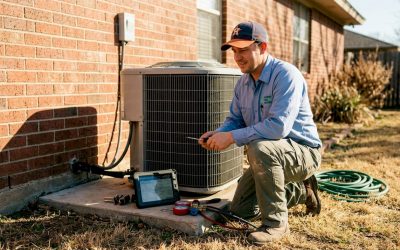
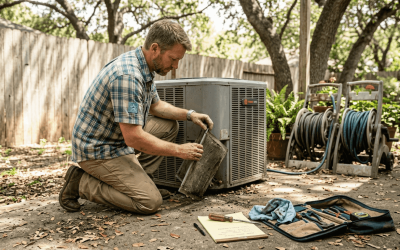
Sudden temperature swings or rising energy bills often catch Lake Jackson homeowners off guard, leaving many searching for reliable solutions before their comfort slips away. HVAC problems disrupt daily life and can quickly turn minor annoyances into expensive emergencies if ignored. By learning to recognize warning signs and understanding the value of regular maintenance, you can protect your investment while keeping your Texas home comfortable and energy efficient year-round.
Key Takeaways
| Point | Details |
|---|---|
| HVAC Maintenance is Essential | Regular maintenance prevents system breakdowns and extends lifespan, ultimately ensuring comfort and efficiency in your home. |
| Recognize Warning Signs | Watch for symptoms like unusual noises, inconsistent temperatures, and increased energy bills to avoid costly repairs. |
| Choose Professional Help | Opt for licensed HVAC professionals with proven experience and positive reviews to ensure effective service. |
| Keep Detailed Records | Maintain a log of performance, repairs, and inspections to track system health and assist with future issues. |
HVAC Repair Needs Explained for Homeowners
Understanding when your home’s heating and cooling system needs repair can save you significant money and prevent total system breakdown. HVAC maintenance isn’t just a luxury—it’s a critical aspect of home ownership that directly impacts your comfort, energy efficiency, and long-term system performance.
Homeowners should be aware of several key indicators that signal potential HVAC repair needs. Regular maintenance helps prevent system malfunctions and can extend the lifespan of your equipment. Here are some critical signs to watch for:
- Unusual noises like grinding, squealing, or banging
- Inconsistent temperatures across different rooms
- Sudden increases in energy bills
- Weak or inconsistent airflow
- Persistent strange odors from vents
- Frequent cycling on and off
- Visible ice or frost on system components
Each of these symptoms can indicate underlying issues requiring professional attention. For instance, grinding noises might suggest worn bearings, while weak airflow could point to blocked ducts or a failing compressor.
Annual professional inspections play a crucial role in catching potential problems early. Comprehensive maintenance tasks include checking electrical connections, lubricating moving parts, and verifying refrigerant levels. These proactive steps help maintain system efficiency and prevent costly breakdowns.
The consequences of ignoring potential repair needs can be significant. A minor issue left unaddressed can quickly escalate into a major system failure, potentially requiring complete replacement. Regular monitoring and prompt professional intervention can help homeowners avoid these expensive scenarios.
Here’s a summary of how professional HVAC maintenance compares to DIY efforts:
| Aspect | Professional Maintenance | DIY Efforts |
|---|---|---|
| Thoroughness | In-depth system testing | Basic checks only |
| Safety | Handled by trained techs | May risk injury or damage |
| Warranty Compliance | Helps maintain coverage | May void warranty if incorrect |
| Problem Detection | Detects hidden issues early | Limited to obvious problems |
| Long-Term Cost | Reduces future repair expenses | May miss costly issues |
Pro tip: Keep a maintenance log tracking system performance, repair dates, and professional inspection results to help predict potential future issues and maintain warranty compliance.
Common Warning Signs Your HVAC Needs Repair
Your home’s heating and cooling system communicates potential problems through various warning signals that homeowners should never ignore. Recognizing common air conditioner problems early can prevent costly breakdowns and extend your system’s operational life.
Here are the most critical warning signs that your HVAC system might need professional repair:
- Unusual or loud operational noises
- Inconsistent temperatures across different rooms
- Sudden spike in energy utility bills
- Weak or restricted airflow from vents
- Persistent strange odors emanating from the ductwork
- Frequent system cycling on and off
- Visible moisture or leaks around the system
- Ice formation on internal components
Airflow disruptions often indicate deeper mechanical issues. For example, grinding sounds might suggest worn bearings, while weak airflow could signal blocked ducts or a failing compressor. These symptoms require immediate professional assessment to prevent more extensive damage.
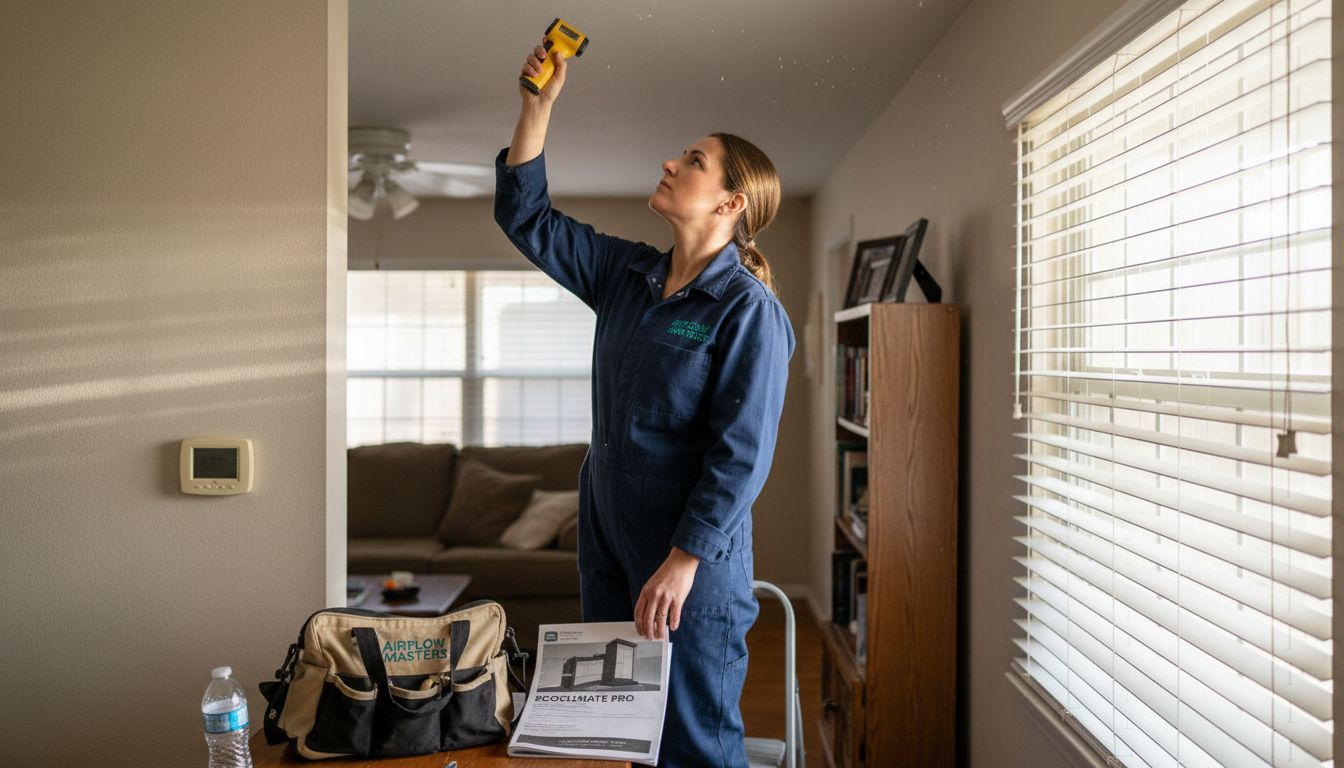
Warning signs of potential HVAC system failure extend beyond mere performance issues. Age plays a crucial role—cooling units over 10 years and heating systems beyond 15 years are more prone to frequent breakdowns. Additionally, systems without modern programmable thermostats typically demonstrate reduced efficiency and increased repair needs.

Understanding these warning signs empowers homeowners to take proactive measures. Ignoring minor issues can lead to complete system failure, potentially requiring expensive replacement instead of a simple repair. Regular professional inspections and prompt attention to performance changes can save significant money and prevent uncomfortable interruptions to your home’s comfort.
Pro tip: Maintain a detailed log of your HVAC system’s performance, including dates of repairs, unusual symptoms, and annual professional inspection results to track its health and predict potential future issues.
Leading Causes of HVAC System Malfunctions
HVAC systems are complex machines that can experience numerous performance issues, potentially compromising home comfort and energy efficiency. Common air conditioner problems stem from a variety of interconnected mechanical and operational factors that require professional understanding and intervention.
The primary causes of HVAC system malfunctions include:
- Faulty initial system installation
- Poor maintenance practices
- Refrigerant leaks and charge errors
- Electrical control failures
- Sensor misplacements
- Blocked drainage systems
- Dirty or clogged air filters
- Worn mechanical components
Installation-related problems often create long-term performance challenges. Improperly sized ductwork, incorrect refrigerant charging, and poor initial system configuration can lead to reduced efficiency and increased wear on critical components. These early-stage errors compound over time, causing more significant malfunctions.
Advanced fault detection techniques are increasingly important in diagnosing complex HVAC system issues. Research indicates that many malfunctions result from cumulative small problems rather than sudden catastrophic failures. Sensor inaccuracies, electrical connection degradation, and airflow restrictions gradually reduce system performance long before complete breakdown occurs.
Homeowners should recognize that preventative maintenance is far more cost-effective than reactive repairs. Understanding these common malfunction sources empowers proactive management, helping extend the operational lifespan of heating and cooling systems while maintaining optimal energy efficiency.
Here is a quick reference to common HVAC problems, their likely cause, and whom to contact first:
| Symptom | Possible Cause | Best Initial Contact |
|---|---|---|
| Sudden noise | Worn bearings or loose parts | HVAC technician |
| Uneven cooling | Airflow restriction | HVAC technician |
| High energy bill | System inefficiency | Energy auditor |
| System not starting | Electrical fault | Licensed electrician |
| Persistent odors | Mold in ductwork | HVAC specialist |
Pro tip: Schedule professional HVAC system diagnostics annually to catch potential issues early and prevent costly long-term damage.
What to Do When Problems Arise
When your HVAC system starts exhibiting troubling signs, knowing the right steps can save you time, money, and potential long-term damage. Common air conditioner problems require a strategic approach that balances immediate troubleshooting with professional intervention.
Here are the critical initial steps homeowners should take when HVAC issues emerge:
- Check circuit breakers and reset system
- Verify thermostat settings and battery
- Inspect air filters for excessive dirt or blockage
- Clear debris around outdoor unit
- Listen for unusual operational sounds
- Monitor temperature consistency across rooms
- Check for visible moisture or leaks
- Ensure all vents remain unobstructed
Troubleshooting electrical issues demands careful attention. Before calling a professional, perform basic diagnostic checks like verifying power connections and ensuring no tripped circuit breakers are preventing system operation. Sometimes, a simple reset can resolve minor performance interruptions.
Professional HVAC maintenance guidelines emphasize the importance of knowing your system’s limitations. While homeowners can perform basic maintenance, complex problems involving refrigerant, electrical systems, or internal mechanical components require trained technician expertise. Attempting complex repairs without proper knowledge can cause additional damage and potentially void system warranties.
Effective problem resolution involves understanding the difference between minor adjustments and situations requiring professional intervention. Recognizing when to troubleshoot and when to call an expert can prevent costly mistakes and ensure your HVAC system remains in optimal working condition.
Pro tip: Keep a dedicated maintenance log documenting each system issue, attempted fix, and professional service to help identify recurring problems and track your HVAC system’s overall health.
Choosing Professional HVAC Services Locally
Selecting the right HVAC professional is crucial for maintaining your home’s comfort and system efficiency. Comprehensive contractor hiring guidelines recommend a strategic approach to finding reliable local service providers who can address your specific heating and cooling needs.
When searching for a reputable HVAC service, consider these critical evaluation criteria:
- Valid state licensing and insurance documentation
- Proven experience with your specific HVAC system type
- Positive customer references and online reviews
- Membership in professional trade organizations
- Transparent pricing and written estimates
- ENERGY STAR equipment expertise
- Comprehensive warranty offerings
- Local business reputation
Professional certifications play a significant role in determining service quality. HVAC contractor standards established by national organizations like the Air Conditioning Contractors of America (ACCA) provide crucial benchmarks for technical competence and professional reliability.
Beyond technical skills, homeowners should prioritize contractors who perform thorough home evaluations. A comprehensive assessment ensures proper system sizing, identifies potential efficiency improvements, and provides a holistic approach to your HVAC maintenance and repair needs. This detailed approach helps prevent future issues and optimizes your system’s long-term performance.
Successful HVAC service selection requires diligence, research, and a willingness to ask detailed questions. By carefully vetting potential contractors and understanding their qualifications, you can protect your investment and ensure reliable home comfort for years to come.
Pro tip: Request multiple written estimates and compare them side-by-side, paying close attention to detailed scope of work, not just bottom-line pricing.
Act Fast When Your HVAC Shows Signs of Trouble
If you have noticed unusual noises, inconsistent room temperatures, or sudden spikes in your energy bills, it is crucial to address these HVAC warning signs immediately. These issues often signal underlying problems like worn bearings, blocked ducts, or electrical faults that require professional intervention. Avoid costly repairs or complete system failure by taking action now with trusted experts.

At Colley Refrigeration, we bring over 47 years of experience serving Lake Jackson and the surrounding Texas areas with reliable heating and cooling solutions. Whether you need expert repairs, routine HVAC maintenance, or new system installations, our licensed technicians ensure transparent pricing and quality service you can depend on. Don’t wait for a total breakdown; take control of your home comfort today by scheduling a professional inspection at https://colleyrefrigeration.com. Make informed decisions with our educational resources and enjoy peace of mind with 24/7 emergency support.
Frequently Asked Questions
How can I tell if my HVAC system needs repair?
Look for signs such as unusual noises, inconsistent temperatures, sudden energy bill spikes, weak airflow, strange odors, frequent cycling, or visible ice on components. These indicators suggest a professional assessment is needed.
What should I do if I notice weird noises coming from my HVAC?
Unusual noises, like grinding or banging, may indicate underlying issues, such as worn bearings or loose components. It’s best to contact a qualified HVAC technician for evaluation to prevent further damage.
How often should I have my HVAC system professionally inspected?
Annual professional inspections are recommended to catch potential problems early, maintain system efficiency, and extend the lifespan of your HVAC equipment. Regular maintenance can help prevent costly repairs.
What are the common causes of HVAC system malfunctions?
Common causes include faulty installation, poor maintenance practices, refrigerant leaks, electrical failures, sensor misplacements, and clogged air filters. Addressing these issues proactively can help maintain optimal performance.