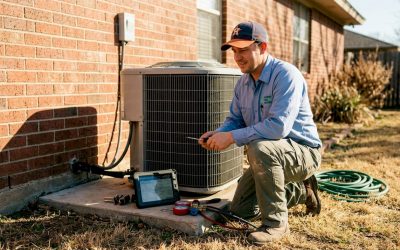
Rising energy bills and sudden breakdowns plague Texas homeowners who overlook HVAC maintenance. Your air conditioner works harder than almost anywhere else in the country, making regular care essential. This comprehensive checklist walks you through practical steps to maintain efficiency, prevent costly repairs, and extend your system’s lifespan. You’ll learn what tasks to perform monthly, seasonally, and annually to keep your home comfortable year-round.
Key Takeaways
| Point | Details |
|---|---|
| Regular maintenance cuts energy costs | Maintaining your HVAC system reduces consumption up to 30% and extends lifespan significantly. |
| Filter changes are critical | Replace air filters every 1 to 3 months to maintain airflow, efficiency, and indoor air quality. |
| Neglect causes expensive failures | Skipping routine maintenance leads to higher bills, poor air quality, and costly system breakdowns. |
| Professional inspections matter | Annual tune-ups catch hidden issues before they become emergency repairs. |
Why HVAC Preventative Maintenance Matters in Texas
Texas heat demands more from your air conditioner than most climates. Neglected systems consume up to 30% more energy, directly inflating your utility bills month after month. When dust and debris accumulate on coils and filters, your HVAC works overtime to deliver the same cooling, wasting electricity and your money.
Poor maintenance creates indoor air quality problems that affect your family’s health. Dirty filters circulate allergens, dust, and mold spores throughout your home. These contaminants trigger respiratory issues, allergies, and general discomfort.
Your system’s lifespan shrinks dramatically without proper care. Well-maintained units last 15 to 20 years, while neglected ones fail in under 10 years. That difference represents thousands of dollars in premature replacement costs.
Maintenance prevents emergency breakdowns during the hottest days of summer. A failed air conditioner in July means uncomfortable nights and expensive emergency service calls. Regular upkeep identifies small issues before they escalate into major repairs.
“Regular HVAC maintenance can significantly reduce energy consumption and extend the lifespan of the system.”
Texas homeowners face unique challenges:
- Extreme heat cycles stress components faster than moderate climates
- High humidity promotes mold growth in ductwork and drain lines
- Dust and pollen clog filters more quickly in many regions
- Year-round cooling needs mean less downtime for maintenance
Understanding why HVAC maintenance matters helps you prioritize this essential task. The stakes are high, but the solution is straightforward with consistent effort.
Preparation: What You Need Before Starting HVAC Maintenance
Successful maintenance starts with proper preparation. First, identify your HVAC system model and locate the air filter size printed on the existing filter frame. This information ensures you purchase the correct replacement parts.
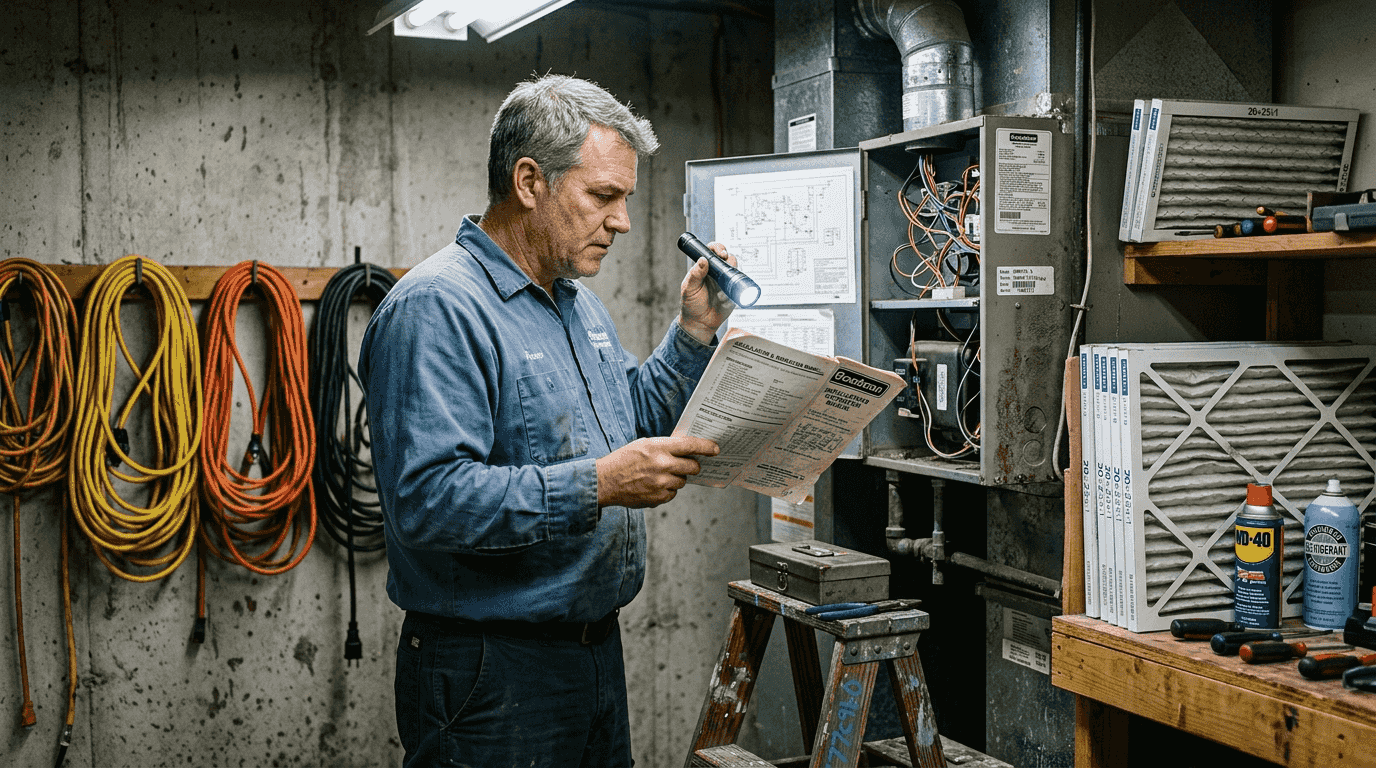
Selecting appropriate air filters requires understanding MERV ratings. These ratings measure filtration effectiveness on a scale from 1 to 16. Residential systems typically use MERV 8 to 13 filters, balancing air quality with proper airflow.
| Filter Type | MERV Rating | Best For |
|---|---|---|
| Fiberglass | 1 to 4 | Basic dust protection, minimal cost |
| Pleated | 8 to 13 | Allergy sufferers, pet owners, balanced performance |
| HEPA | 14 to 16 | Maximum filtration, requires professional installation |
Choosing the correct filter type and MERV rating ensures optimal performance without restricting airflow. Higher ratings trap more particles but may reduce airflow if your system wasn’t designed for them.
Gather these essential tools and supplies:
- Replacement air filters in the correct size
- Screwdriver set for accessing panels
- Vacuum with brush attachment for cleaning
- Fin comb for straightening bent coil fins
- Garden hose for outdoor unit cleaning
- Work gloves for safety
- Flashlight for inspecting dark areas
Pro Tip: Take photos of your system before starting maintenance. These reference images help you reassemble components correctly and track changes over time.
Safety comes first. Always turn off power to your HVAC system at both the thermostat and the circuit breaker before performing any maintenance. This prevents electrical shock and protects equipment from damage during cleaning.
Consult your preventive maintenance guide for system-specific recommendations. Manufacturers often include maintenance schedules and procedures in owner’s manuals that address your unit’s unique requirements.
Step-By-Step HVAC Maintenance Checklist for Homeowners
This actionable checklist covers essential tasks Texas homeowners can perform to maintain system efficiency and reliability. Follow these steps consistently to prevent problems before they start.
Monthly tasks
- Inspect and replace air filters every 1 to 3 months, depending on usage and conditions. Clogged filters restrict airflow, increasing energy consumption and potentially causing motor failure.
- Check thermostat operation by testing both heating and cooling modes. Replace batteries if your model requires them.
- Examine vents and registers throughout your home for blockages from furniture, curtains, or debris.
Pro Tip: Mark filter replacement dates on your calendar or set phone reminders. Consistency matters more than perfection.
Seasonal tasks
- Clean condenser coils on your outdoor unit each spring before cooling season begins. Turn off the power, remove debris, and gently spray coils with a garden hose from the inside out.
- Inspect evaporator coils annually for dust buildup. Access panels vary by model, so consult your manual for safe removal procedures.
- Clear condensate drain lines to prevent water damage and mold growth. Pour a cup of vinegar through the drain line to dissolve buildup.
- Straighten bent fins on condenser and evaporator coils using a fin comb. Bent fins restrict airflow and reduce efficiency.
| Task | Frequency | Impact |
|---|---|---|
| Filter replacement | 1 to 3 months | Maintains airflow and efficiency |
| Coil cleaning | Annually | Improves heat transfer, reduces energy use |
| Drain line clearing | Twice yearly | Prevents water damage and mold |
| Professional tune-up | Annually | Catches hidden issues early |

Annual Professional Tasks
While DIY maintenance handles routine care, schedule professional inspections yearly. Technicians check refrigerant levels, test electrical connections, calibrate thermostats, and identify potential problems you might miss. This comprehensive checklist ensures nothing gets overlooked.
Lubricate motors and moving parts according to manufacturer specifications. Some modern units use sealed bearings requiring no lubrication, while older systems need annual attention. Over-lubricating causes as many problems as under-lubricating, so follow guidelines precisely.
Inspect ductwork for leaks, gaps, or disconnected sections. Sealing duct leaks saves energy and improves comfort throughout your home. Professional duct testing identifies hidden problems affecting indoor air quality and system performance.
Troubleshooting Common HVAC Maintenance Mistakes
Even well-intentioned homeowners make errors that undermine maintenance efforts. Understanding these pitfalls helps you avoid costly mistakes and keep your system running efficiently.
Skipping filter changes ranks as the most common and damaging mistake. Filters clog gradually, restricting airflow and forcing your system to work harder. This increased strain raises energy bills and can burn out motors or compressors. Set automatic reminders to prevent this oversight.
Using incorrect filter types creates problems on both ends of the spectrum. Filters with MERV ratings too low fail to protect your system and indoor air quality. Filters rated too high for your system restrict airflow, causing similar problems to those caused by dirty filters. Match your filter to the manufacturer’s specifications.
Neglecting coil cleaning leads to poor heat transfer and system stress. Dirty coils insulate rather than transfer heat, forcing longer run times and higher energy consumption. Annual cleaning maintains efficiency and prevents premature component failure.
“Ignoring routine maintenance leads to higher energy bills, poor indoor air quality, and expensive system failures.”
Common mistakes include:
- Overlooking drain line clogs until water damage occurs
- Cleaning outdoor units with excessive water pressure that bends fins
- Forgetting to turn the power off before performing maintenance
- Assuming newer systems don’t need regular maintenance
- Delaying professional inspections to save money in the short term
Pro Tip: Document your maintenance activities with photos and notes. This record helps you spot patterns, remember procedures, and communicate effectively with technicians when professional service becomes necessary.
Not scheduling professional inspections represents false economy. Technicians spot warning signs invisible to untrained eyes. Annual tune-ups cost far less than emergency repairs or premature system replacement.
Expected Benefits: What You Gain From Regular Preventive Maintenance
Consistent maintenance delivers tangible rewards that justify the time and effort invested. Understanding these benefits motivates continued care and helps you appreciate the value of prevention.
Lower energy bills result from improved system efficiency. Well-maintained HVAC systems operate up to 30% more efficiently than neglected units. This translates to hundreds of dollars in annual savings for Texas homeowners running air conditioning most of the year.
An extended system lifespan represents the most significant financial benefit. Properly maintained units last 15 to 20 years, while neglected systems fail within 10 years. Replacing an HVAC system costs $5,000 to $10,000 or more, making longevity extremely valuable.
Better indoor air quality contributes to health and comfort. Clean filters and coils prevent the circulation of allergens, dust, and contaminants. Your family breathes easier and experiences fewer respiratory issues.
Key advantages include:
- Reduced risk of emergency breakdowns during extreme weather
- Consistent comfort with even temperatures throughout your home
- Quieter operation as clean components run smoothly
- Higher resale value when selling your home
- Environmental benefits from reduced energy consumption
“HVAC systems that receive regular maintenance can operate up to 30% more efficiently, leading to lower energy bills and reduced environmental impact.”
Preventing one major repair often pays for years of routine maintenance. A compressor replacement costs $1,500 to $2,500, while annual maintenance runs $150 to $300. The math strongly favors prevention.
You gain peace of mind knowing your system will work when you need it most. Texas summers are unforgiving, and a functioning air conditioner isn’t a luxury but a necessity. Regular maintenance provides reliability you can count on. Learn more about how maintenance saves money and extends system life.
Keep Your Texas HVAC System Running Smoothly With Expert Help
While DIY maintenance handles routine tasks, professional expertise ensures optimal performance and catches issues before they become emergencies. Combining your regular care with expert inspections delivers the best results for your HVAC investment.

Colley Refrigeration brings over 47 years of experience serving Lake Jackson and the surrounding Texas communities. Our technicians provide thorough inspections that complement your maintenance routine, identifying potential problems early and keeping your system running efficiently year-round.
Take advantage of special service offers to reduce maintenance costs while ensuring professional care. Our transparent pricing and upfront estimates mean no surprises, just reliable service you can trust. Follow this proven checklist and schedule your professional tune-up today.
Frequently Asked Questions
What is included in an HVAC preventative maintenance checklist?
A comprehensive checklist includes filter replacement, coil cleaning, drain line clearing, thermostat inspection, and professional system evaluation. These tasks target efficiency, longevity, and prevention of costly repairs. Monthly filter checks, seasonal coil cleaning, and annual professional tune-ups form the foundation of effective maintenance.
How often should I replace my HVAC air filter?
Replace filters every 1 to 3 months, depending on system usage, home conditions, and filter type. Homes with pets, allergies, or high dust levels need more frequent changes. Checking filters monthly helps you determine the right schedule for your situation.
What are the signs my HVAC system needs professional repair?
Unusual noises, poor airflow, uneven cooling or heating, and rising energy bills signal potential problems. Strange odors, frequent cycling, and moisture around the unit also indicate issues requiring attention. These warning signs suggest prompt professional repair can prevent costly breakdowns.
Can regular maintenance extend the life of my HVAC system?
Properly maintained systems last 15 to 20 years, while neglected units may fail within 10 years. Maintenance keeps performance optimal, reduces breakdown risks, and protects your investment. The difference represents thousands of dollars in replacement costs avoided through consistent care.
Recommended