Rising energy bills have become a harsh reality for many American families, with older furnace systems adding hundreds of unexpected dollars each year. Even in Texas, where winters are mild, costly repairs and declining comfort often blindside homeowners who wait too long to upgrade their heating system. Recognizing the warning signs of an inefficient furnace can save you from surprise expenses while boosting your home’s value, safety, and comfort in the long run.
Key Takeaways
| Point | Details |
|---|---|
| Aging Furnaces Are Less Efficient | Most furnaces last 15 to 20 years; repairs can become costly when nearing this age. Consider replacement when repair costs exceed 50% of a new system’s price. |
| High Energy Bills Signal Problems | Rising utility costs can indicate decreased efficiency, often due to aging equipment. Upgrading to high-efficiency models can save 20% to 40% on energy expenses. |
| Recognize Warning Signs | Inconsistent heating, unusual noises, and frequent cycling are indicators of a failing furnace. Address these signs promptly to avoid larger issues. |
| Safety and Home Value Implications | Older furnaces can pose safety risks; modern units enhance safety and can increase property value. A new furnace is an investment in comfort and marketability. |
Recognizing When Your Furnace Becomes Costly
Texas homeowners know that an inefficient furnace can drain your wallet faster than a summer thunderstorm floods a bayou. Understanding when your heating system transitions from a reliable workhorse to a money pit requires strategic evaluation of several critical factors. Energy efficiency guidelines from the U.S. Department of Energy suggest examining three key indicators that signal mounting repair costs.
The first red flag is age. Most furnaces have a reliable operational lifespan between 15 to 20 years. As your system approaches this milestone, repair frequency and complexity increase dramatically. Older units struggle to maintain consistent temperatures, causing uneven heating and requiring more frequent interventions. Mechanical components wear down, seals degrade, and electrical connections become less reliable. When repair estimates start approaching 50% of a new system’s cost, replacement becomes the smarter financial strategy.
Another critical consideration is your energy bill. Comprehensive research on lifetime furnace costs reveals that aging systems consume significantly more electricity compared to modern, high-efficiency models. An older furnace might be costing you hundreds of extra dollars annually through increased energy consumption. Look for signs like steadily rising utility bills, especially during peak heating months in Texas. Modern furnaces with high SEER ratings can reduce energy expenses by 20% to 40%, making replacement an investment rather than an expense.
Pro Tip for Smart Homeowners: Schedule a professional HVAC assessment before winter hits. An expert can provide a detailed cost-benefit analysis comparing your current furnace’s performance against potential replacement options, helping you make the most financially sound decision for your home.
Common Signs of Declining Furnace Efficiency
Homeowners in Texas understand that a failing furnace can quickly transform from a minor inconvenience to a major financial burden. Energy efficiency guidelines from the U.S. Department of Energy highlight critical indicators that signal your heating system is losing its performance edge. Recognizing these early warning signs can help you avoid unexpected breakdowns and costly emergency repairs.
One of the most telling signs of declining furnace efficiency is inconsistent heating throughout your home. You might notice some rooms feeling significantly colder than others, or experience sudden temperature fluctuations that make your living space uncomfortable. Unusual noises are another red flag – banging, squealing, or grinding sounds often indicate mechanical wear and potential component failure. These audible warnings suggest that internal mechanisms are struggling, which means your furnace is working harder and consuming more energy to maintain the same level of warmth.
Utility bills provide another critical diagnostic tool. Comprehensive research on furnace lifetime costs reveals that rising energy expenses typically correlate with decreasing system efficiency. If you notice your monthly heating costs climbing without a corresponding increase in usage, your furnace might be nearing the end of its operational lifecycle. Other warning signs include frequent cycling (the system turning on and off repeatedly), visible rust or corrosion, and a yellowing or flickering pilot light – all of which suggest your heating system is struggling to maintain optimal performance.
Pro Tip for Savvy Homeowners: Maintain a detailed maintenance log tracking your furnace’s performance, repair history, and energy consumption. This documentation can help you make informed decisions about whether to repair or replace your heating system before a total breakdown occurs.
Here’s a quick reference table outlining leading warning signs that your furnace is losing efficiency:
| Warning Sign | What It Indicates | Recommended Action |
|---|---|---|
| Uneven Home Temperatures | Declining system performance | Schedule inspection |
| Unusual Noises | Mechanical failure risk | Have components checked |
| Rising Energy Bills | Decreased efficiency | Consider replacement |
| Frequent Cycling | Failing controls or sensors | Address promptly |
| Visible Rust/Corrosion | Potential safety hazards | Seek professional assessment |
| Flickering Pilot Light | Combustion issues | Immediate technician visit |
How Repair Costs Compare With Replacement
Cost analysis of furnace repair versus replacement reveals a complex financial landscape for Texas homeowners. The decision isn’t as simple as comparing immediate repair costs to replacement prices – it requires a comprehensive evaluation of long-term expenses, system performance, and potential energy savings.
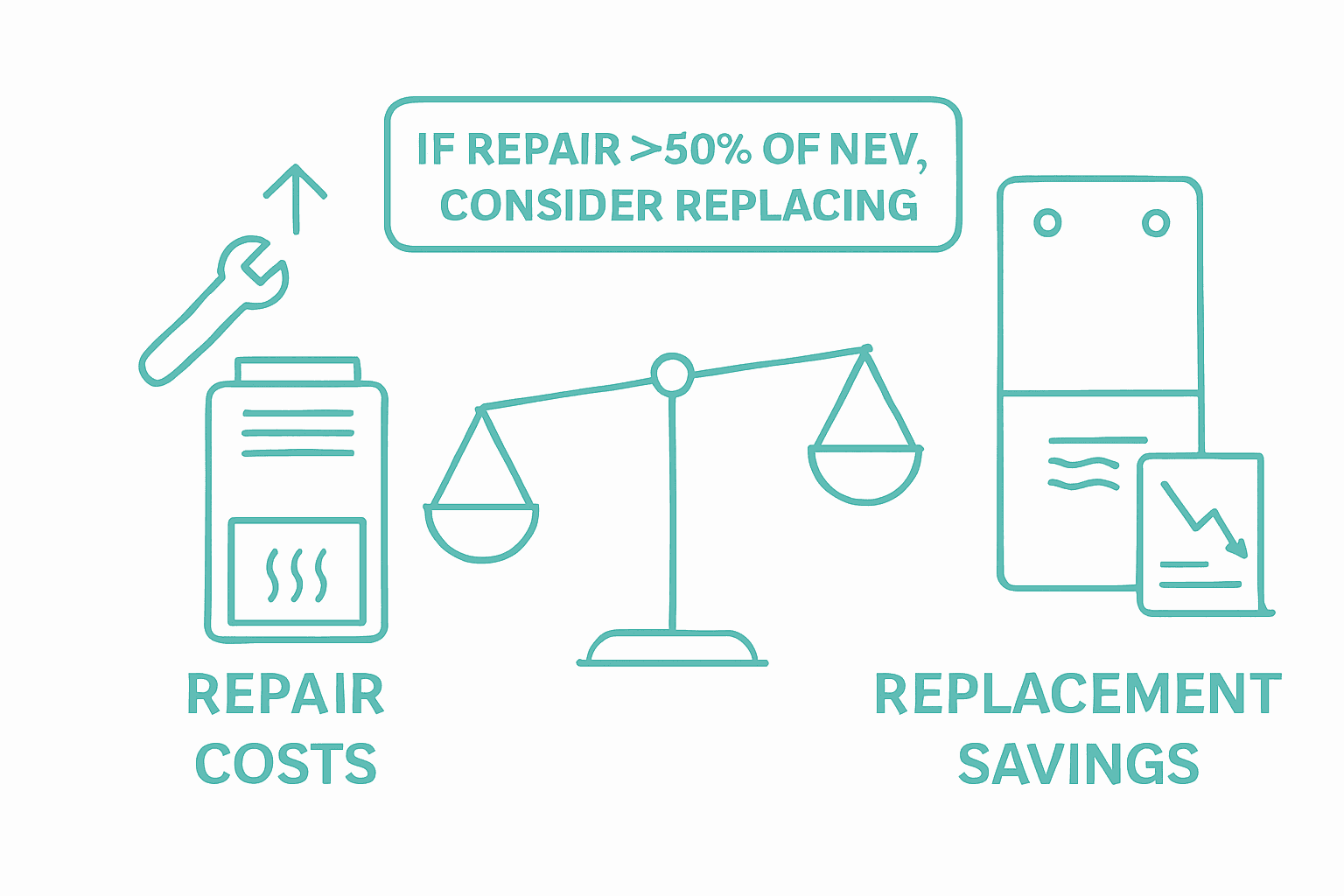
Typically, repair becomes less economical when repair costs exceed 50% of a new system’s price. For instance, a $500 repair on a furnace worth $2,000 might make sense, but a $1,500 repair on the same system signals it’s time to consider replacement. Critical factors include the furnace’s age, frequency of previous repairs, and remaining warranty coverage. Older systems requiring repeated repairs often consume more energy, creating a hidden cost that many homeowners overlook. Comprehensive research on furnace lifetime costs suggests that systems over 10 years old typically become less cost-effective to maintain.
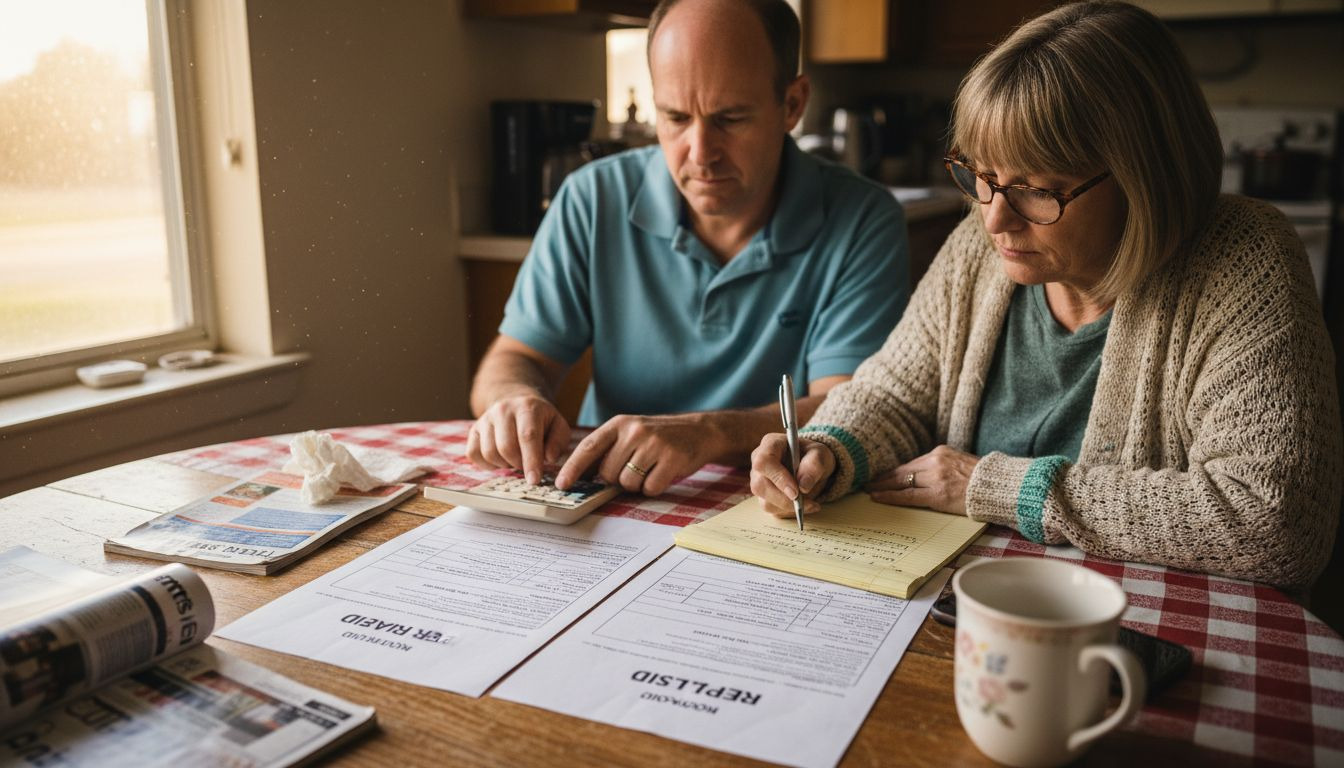
Energy efficiency plays a significant role in the repair versus replacement calculation. Modern furnaces can reduce energy consumption by 20% to 40%, potentially saving hundreds of dollars annually on utility bills. A new high-efficiency system might cost more upfront but can offset its price through reduced energy expenses and fewer repair interventions. Homeowners should consider factors like the current system’s SEER rating, potential tax credits for energy-efficient upgrades, and projected maintenance costs when making their decision.
The following table summarizes key differences between repairing and replacing an aging furnace for Texas homeowners:
| Aspect | Repairing Old Furnace | Replacing with New Furnace |
|---|---|---|
| Upfront Cost | Usually lower than replacement | Higher initial investment |
| Energy Efficiency | Lower; higher utility bills | High; reduced monthly bills |
| Reliability | May experience frequent breakdowns | Fewer repairs, reliable operation |
| Safety Features | Limited, outdated technology | Advanced safety sensors and controls |
| Home Value Impact | No significant increase | Boosts resale value and market appeal |
| Warranty Coverage | Often expired or limited | Full manufacturer warranty included |
Pro Tip for Smart Homeowners: Create a comprehensive cost spreadsheet comparing your current furnace’s annual repair and energy expenses against potential replacement costs, including projected energy savings from a new, high-efficiency system.
Evaluating Comfort, Safety, and Home Value Impact
Homeowners often overlook the broader implications of their furnace’s condition beyond mere temperature control. Modern home comfort research reveals that an outdated heating system can significantly impact more than just your monthly utility bill – it affects your family’s comfort, safety, and even your property’s market value.
Safety becomes a paramount concern with aging furnaces. Older systems are more prone to developing critical issues like carbon monoxide leaks, electrical malfunctions, and inefficient combustion processes. These potential hazards can create dangerous living conditions, putting your family at risk. A new furnace comes equipped with advanced safety features like improved heat exchangers, precise temperature controls, and enhanced ventilation systems that dramatically reduce the likelihood of dangerous malfunctions. Additionally, modern units include sophisticated sensors that can detect and prevent potential safety risks before they become life-threatening emergencies.
Beyond immediate safety considerations, a new furnace can substantially enhance your home’s overall value and marketability. Potential buyers view an updated, high-efficiency heating system as a significant asset, often translating into higher resale prices and faster sales. Energy-efficient systems with current technology signal to prospective homeowners that the property has been well-maintained and includes modern, cost-saving infrastructure. Moreover, newer furnaces provide more consistent heating, eliminate cold spots, reduce noise levels, and offer superior air quality through advanced filtration systems – all compelling selling points that can differentiate your home in a competitive real estate market.
Pro Tip for Smart Homeowners: Document your furnace replacement with maintenance records and energy efficiency ratings. These documents can serve as valuable proof of investment when you decide to sell your home, potentially increasing its market appeal and perceived value.
Colley Refrigeration’s Expertise in Repair vs. Replacement
With over 47 years of HVAC service in the Texas Gulf Coast region, Colley Refrigeration brings unparalleled expertise to the critical decision of furnace repair versus replacement. Understanding HVAC repair strategies requires more than technical knowledge – it demands a personalized approach that considers each homeowner’s unique circumstances, budget, and long-term comfort goals.
The company’s diagnostic process goes far beyond a simple cost comparison. Technicians conduct comprehensive system evaluations that examine multiple factors: current equipment age, mechanical condition, energy efficiency, repair history, and potential future performance. This meticulous approach ensures homeowners receive recommendations tailored to their specific needs, not a one-size-fits-all solution. Experienced technicians use advanced diagnostic tools to provide transparent assessments, helping clients understand exactly why a repair might be more economical than replacement – or vice versa.
Colley Refrigeration’s commitment extends beyond immediate technical solutions. Their approach integrates customer education, offering detailed breakdowns of potential repair costs, projected energy savings from new systems, and long-term financial implications. By providing interest-free financing options and comprehensive maintenance plans, they empower homeowners to make informed decisions without financial strain. The team’s deep understanding of local Texas climate challenges allows them to recommend solutions that work specifically for Gulf Coast region homes, accounting for humidity, temperature variations, and unique environmental stress factors.
Pro Tip for Smart Homeowners: Request a detailed, no-obligation system assessment that includes projected lifetime costs, potential energy savings, and a clear recommendation for your specific furnace situation before making any repair or replacement decisions.
Make the Right Choice for Your Texas Home Heating Needs
Facing frequent furnace repairs or rising energy bills can create real stress and uncertainty. This article reveals how your aging furnace may be costing you more than you think through inefficient heating and mounting repair expenses. Whether you are weighing repair costs against replacement or looking to improve comfort and safety, professional guidance is essential. At Colley Refrigeration, we specialize in helping Texas homeowners make informed decisions about heating systems through expert evaluations and transparent advice. Explore our Heating and Air Conditioning Archives – Colley Refrigeration for valuable insights tailored to your situation.

Don’t let an old furnace drain your wallet or compromise your family’s comfort. Take advantage of over 47 years of HVAC experience focused on the unique needs of Lake Jackson and surrounding Texas communities. Visit Colley Refrigeration today for honest estimates, upfront pricing, and expert repair or replacement solutions. Schedule your assessment now and secure a warmer, safer home before the next cold snap arrives.
Frequently Asked Questions
What are the signs that my furnace is losing efficiency?
Common signs include inconsistent heating, unusual noises, rising energy bills, frequent cycling, visible rust or corrosion, and a flickering pilot light.
When is it more cost-effective to replace my old furnace instead of repairing it?
Typically, if repair costs exceed 50% of the cost of a new furnace, it may be more economical to replace the unit instead of repairing it.
How can I determine the age and efficiency of my current furnace?
Most furnaces last between 15 to 20 years. Check the nameplate on your furnace for the manufacturing date and consult the SEER rating for efficiency.
What impact does upgrading to a new furnace have on my home’s value?
A new, energy-efficient furnace can significantly enhance your home’s value and marketability, making it more appealing to potential buyers due to reduced energy costs and modern safety features.