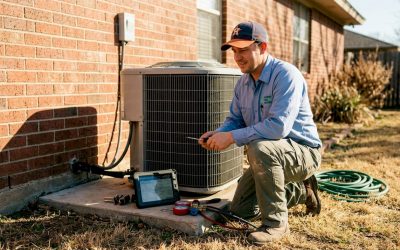
Smart HVAC systems are changing how people control comfort and energy at home. Did you know homes with smart thermostats can cut energy bills by up to 23 percent every year. Most people think upgrading means just swapping out your old thermostat and walking away happy. But the real difference comes from the way you assess, research, and customize every part of your system—and the savings and comfort can add up fast.
Table of Contents
- Step 1: Assess Your Current HVAC System
- Step 2: Research Smart HVAC Options for Your Needs
- Step 3: Choose a Reputable HVAC Professional
- Step 4: Schedule the Installation of Your Smart System
- Step 5: Configure and Customize Your Smart Thermostat
- Step 6: Monitor and Adjust for Optimal Efficiency
Quick Summary
| Key Point | Explanation |
|---|---|
| 1. Assess Your Current HVAC System | Understand the age and performance of your HVAC system before upgrading to smart technology for compatibility and efficiency improvement. |
| 2. Research Smart HVAC Options | Explore various smart HVAC technologies that fit your home size, budget, and energy goals to enhance comfort and efficiency. |
| 3. Choose a Reputable HVAC Professional | Select an experienced HVAC technician for installation to ensure proper setup and system performance, leveraging their expertise. |
| 4. Schedule Your Installation | Plan the installation with your contractor, preparing your home and ensuring clear communication for a smooth process. |
| 5. Monitor and Adjust for Efficiency | Regularly check system performance and make adjustments based on energy reports to optimize comfort and reduce energy costs. |
Step 1: Assess Your Current HVAC System
Upgrading to a smart HVAC system starts with a comprehensive evaluation of your existing heating and cooling infrastructure. Understanding your current system’s condition, age, and performance is critical before investing in advanced technology. A thorough assessment helps you determine compatibility, potential upgrade requirements, and identifies opportunities for significant energy efficiency improvements.
Begin by examining your current HVAC system’s age and operational status. Systems older than 10-15 years are prime candidates for smart technology integration. Look for telltale signs of aging such as inconsistent temperature regulation, unusual noises during operation, or unexpectedly high energy bills. These indicators suggest your system might benefit from smart upgrades that can provide more precise climate control and substantial energy savings.
Physical inspection is crucial. Check your thermostat, air registers, ductwork, and external unit for visible wear, damage, or inefficient components. Pay special attention to air filter conditions and seal integrity around windows and doors. Our guide on maintaining your HVAC system can help you understand what to look for during this initial evaluation.
Consider documenting key system specifications like square footage covered, current BTU capacity, existing ductwork configuration, and your home’s insulation quality. Professional HVAC technicians can perform a detailed assessment, providing insights into your system’s current performance metrics and recommending specific smart technology solutions tailored to your home’s unique requirements. These professionals can help identify potential compatibility issues and suggest the most appropriate smart HVAC upgrades that seamlessly integrate with your existing infrastructure.
Successful assessment means you’ll have a clear understanding of your current system’s strengths and limitations, positioning you to make informed decisions about smart HVAC technology integration. The goal is not just replacement, but strategic enhancement that delivers improved comfort, energy efficiency, and long-term cost savings.
Step 2: Research Smart HVAC Options for Your Needs
Researching smart HVAC options transforms your home comfort strategy from reactive to proactive. This crucial step involves exploring technological solutions that align with your specific household requirements, budget constraints, and energy efficiency goals. Smart HVAC technologies have evolved dramatically, offering unprecedented control and intelligent management of your home’s thermal environment.
Start by understanding the core types of smart HVAC technologies available. Intelligent thermostats represent the entry point for most homeowners, enabling remote temperature control, learning your preferences, and automatically adjusting settings for optimal comfort and energy savings. Learn more about energy-efficient HVAC options that can dramatically reduce your utility expenses while maintaining perfect home temperatures.
Consider your home’s unique characteristics when researching options. Factors like square footage, existing ductwork, regional climate, and household occupancy patterns significantly influence which smart HVAC solution will work best. Zoned systems allow different temperature settings for individual rooms, providing personalized comfort and reducing energy waste. Wireless sensors can monitor temperature variations, humidity levels, and air quality, creating a comprehensive climate management ecosystem.
Budget plays a critical role in your research. Smart HVAC technologies range from affordable smart thermostats to comprehensive whole-home systems with advanced machine learning capabilities. Some systems offer integration with smart home platforms like Amazon Alexa or Google Home, enabling voice-controlled temperature management. Compare initial investment costs against potential long-term energy savings to make an informed decision.
Verify your research by creating a comparative spreadsheet tracking different smart HVAC solutions. Note features like smartphone app compatibility, energy-saving algorithms, installation complexity, and manufacturer warranty. Seek recommendations from HVAC professionals who can provide insights into system compatibility with your existing infrastructure and offer personalized advice tailored to your specific home environment. Successful research means you’ll have a clear, confident understanding of which smart HVAC technology will best transform your living space into an intelligent, comfortable sanctuary.
Here is a comparison of popular smart HVAC technology options, summarizing their key features and benefits for easier decision-making.
| Smart HVAC Option | Key Features | Typical Benefits |
|---|---|---|
| Smart Thermostats | Remote control, learning algorithms, scheduling | Lower energy bills, improved comfort |
| Zoned Systems | Room-by-room temperature settings, wireless zones | Personalized comfort, reduced waste |
| Wireless Sensors | Monitor temperature, humidity, air quality | More precise control, better air quality |
| Home Platform Integration | Voice control, automation routines, app control | Seamless management, convenience |
| Whole-Home Smart Systems | Advanced machine learning, energy analytics | Maximum efficiency, long-term savings |
Step 3: Choose a Reputable HVAC Professional
Selecting the right HVAC professional is pivotal in successfully implementing smart technology for your home’s climate control system. This critical step determines the quality of installation, long-term system performance, and overall satisfaction with your smart HVAC upgrade. The ideal professional will not just install equipment but provide comprehensive guidance tailored to your specific home environment.
Learn how to avoid HVAC scammers and choose a trustworthy contractor as you begin your search. Start by gathering recommendations from trusted sources like neighbors, local home improvement groups, and online review platforms. Look for professionals with specific experience in smart HVAC system installations, not just traditional HVAC repair. Verify their credentials, including state licensing, insurance coverage, and professional certifications that demonstrate specialized knowledge in modern climate control technologies.
During initial consultations, ask targeted questions that reveal the contractor’s expertise. Inquire about their experience with smart home integrations, specific brands they recommend, and their approach to system compatibility assessments. A reputable professional should provide a detailed walkthrough of potential challenges, offer multiple solution options, and explain complex technical concepts in clear, understandable language. They should demonstrate knowledge about wireless protocols, smart home ecosystem integration, and energy efficiency optimization strategies.
Request comprehensive quotes from at least three different HVAC professionals to compare pricing, proposed solutions, and service offerings. These quotes should include detailed breakdowns of equipment costs, installation fees, potential additional modifications needed for smart system integration, and projected energy savings. Pay attention to warranty details, post-installation support, and maintenance plans. The lowest price does not always represent the best value, especially when dealing with sophisticated smart HVAC technologies.
Verification of your professional selection involves checking their track record. Request and contact references, review online testimonials, and confirm their standing with local business bureaus. A trustworthy HVAC professional will be transparent about their capabilities, provide clear communication, and demonstrate genuine interest in creating a customized solution for your home’s unique needs. Successful selection means finding a partner who understands both the technical complexities of smart HVAC systems and your personal comfort goals.
Step 4: Schedule the Installation of Your Smart System
Scheduling your smart HVAC system installation marks the transition from planning to transformative home comfort technology. This crucial step requires careful coordination, preparation, and clear communication with your chosen HVAC professional to ensure a smooth, efficient implementation that minimizes disruption to your daily routine.
Begin by establishing a mutually convenient installation date that accommodates both your schedule and the HVAC technician’s availability. Explore essential tips for preparing your home for HVAC installation to streamline the process. Typically, smart HVAC installations take between four to eight hours, depending on the complexity of your system and home configuration.
Request a detailed timeline from your technician that outlines each phase of the installation, including potential preparatory work and post-installation testing.
Prepare your home environment before the installation day. Clear access to your current HVAC system, thermostat locations, and electrical panels. Remove fragile items from surrounding areas and ensure technicians have unobstructed workspace. If your installation involves smart sensors or additional components, identify optimal placement locations that provide maximum coverage and signal strength. Discuss with your technician any specific home layout considerations that might impact wireless connectivity or sensor placement.
Comprehensive installation involves more than simply replacing hardware; it requires intricate system configuration, wireless network integration, and personalized programming. Expect your HVAC professional to perform detailed calibration, test communication between smart components, and demonstrate the system’s full functionality. This includes setting up smartphone apps, configuring initial temperature preferences, and explaining how to use advanced features like geofencing, learning algorithms, and energy usage tracking.
Verification of a successful installation goes beyond visual inspection. Request a complete walkthrough of your new smart HVAC system, including hands-on demonstration of mobile app controls, voice assistant integration, and energy monitoring tools. Ask for comprehensive documentation detailing system specifications, warranty information, and maintenance recommendations. A reputable installer will provide clear instructions on initial system setup, troubleshooting common issues, and contact information for ongoing technical support.
This checklist organizes the key verification steps to confirm your smart HVAC installation and configuration are complete and successful.
| Verification Step | What to Confirm |
|---|---|
| System Component Testing | All new devices operate correctly |
| App and Control Setup | Mobile app is connected, controls system |
| Voice Assistant/Smart Home Integration | Voice commands function if integrated |
| Personalized Preferences Input | Preferred schedules and temperature ranges are entered |
| Energy Usage Monitoring | Energy reports are accessible and updating |
| Documentation and Warranties | Received user guides, warranty, and installer details |
Step 5: Configure and Customize Your Smart Thermostat
Configuring your smart thermostat transforms a simple temperature control device into an intelligent home comfort management system. This pivotal step determines how effectively your new technology will adapt to your lifestyle, optimize energy consumption, and deliver personalized comfort across different times and scenarios.
Explore the nuances of energy-efficient HVAC management as you begin customizing your thermostat. Start by downloading the manufacturer’s dedicated mobile app and creating an account. These apps serve as command centers, offering granular control over temperature settings, scheduling, and advanced features like learning algorithms and geofencing. During initial setup, input detailed information about your household’s daily routines, including typical wake-up times, work schedules, and preferred temperature ranges for different times of day.
Personalize your smart thermostat’s learning capabilities by allowing its algorithms to observe and adapt to your temperature preferences. Most advanced systems use machine learning to understand your comfort patterns, automatically adjusting temperatures to minimize energy waste while maintaining optimal comfort. Experiment with features like eco modes, which intelligently reduce heating and cooling when you’re away or asleep. Enable location-based services that use your smartphone’s GPS to automatically adjust temperatures when you’re approaching home or leaving, ensuring perfect climate control with minimal manual intervention.
Advanced configuration involves integrating your smart thermostat with broader smart home ecosystems, enabling voice control through platforms like Amazon Alexa or Google Home. Set up automation routines that coordinate with other smart devices, such as automatically lowering blinds during peak sunlight hours or adjusting temperatures based on external weather conditions. Many smart thermostats provide detailed energy consumption reports, allowing you to track and optimize your home’s thermal efficiency.
Verification of successful configuration means experiencing seamless, intuitive climate control that anticipates your needs. Your smart thermostat should demonstrate consistent comfort, noticeable energy savings, and minimal manual adjustments. Review the system’s learning progress after two to three weeks, making fine-tuned adjustments to its algorithms. A well-configured smart thermostat becomes an invisible, intelligent assistant that transforms your home’s comfort experience while delivering significant long-term energy efficiency benefits.
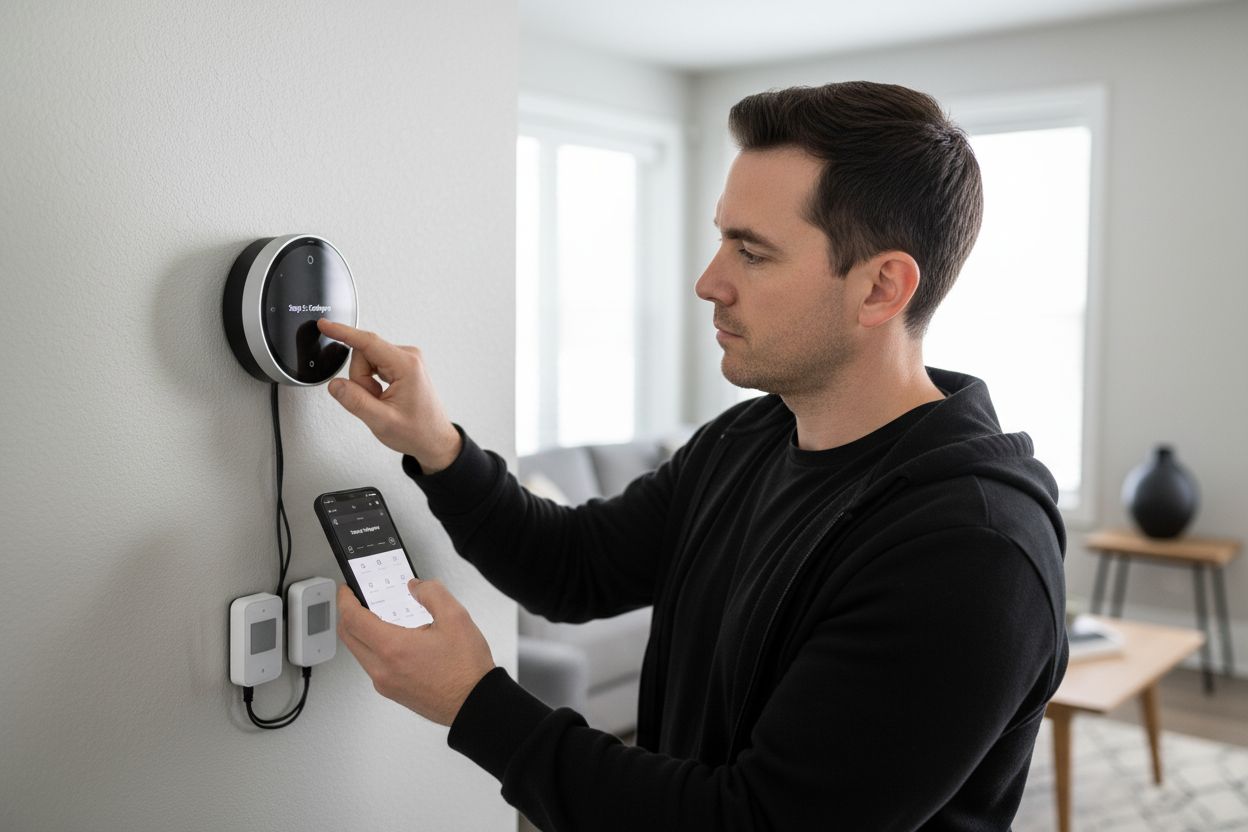
Step 6: Monitor and Adjust for Optimal Efficiency
Continuous monitoring and strategic adjustment of your smart HVAC system transforms technology from a simple installation into a dynamic, responsive home comfort solution. This ongoing process ensures your system maintains peak performance, adapts to changing household needs, and delivers maximum energy efficiency throughout different seasons and lifestyle shifts.
Explore essential maintenance tips to extend your HVAC system’s lifespan as you begin your monitoring journey. Leverage your smart thermostat’s comprehensive reporting features, which typically provide detailed insights into energy consumption, temperature patterns, and system performance. Most advanced systems generate monthly reports showing your energy usage trends, comparing current consumption with previous periods and regional averages. These reports help you understand how your smart HVAC system is performing and identify opportunities for further optimization.
Regular system calibration involves more than just reviewing reports. Pay attention to your home’s unique thermal characteristics, noting how different rooms maintain temperatures and identifying potential inefficiencies. Some smart systems offer room-specific sensors that help you understand temperature variations across your living space. Adjust your system’s learning algorithms based on these observations, fine-tuning settings to account for factors like sunlight exposure, insulation quality, and individual room usage patterns. Proactive adjustments can lead to significant energy savings and improved overall comfort.
Seasonality plays a crucial role in smart HVAC system optimization. As weather patterns change, manually review and update your temperature schedules, ensuring your system adapts to shifting external conditions. During transition periods between heating and cooling seasons, validate that your system’s automatic mode functions correctly. Some smart thermostats offer predictive maintenance alerts, warning you about potential issues before they become significant problems. These alerts might include recommendations for filter changes, system diagnostics, or efficiency improvements.
Verification of optimal efficiency means experiencing consistent comfort with measurable energy savings. Compare your utility bills before and after smart HVAC installation, looking for noticeable reductions in energy consumption. Your system should demonstrate intelligent adaptation, requiring minimal manual intervention while maintaining precise temperature control. Successful monitoring transforms your smart HVAC from a simple temperature regulator into a sophisticated, responsive home comfort management solution that continuously learns and improves.
Experience the Real Power of Smart HVAC in Your Home
Are you ready to get more comfort, better energy savings, and true convenience from your HVAC system? The article above showed just how much smart technology can transform temperature control and home efficiency. But it also revealed common frustrations—outdated system compatibility, confusing smart options, and worries about who to trust with such an important upgrade. If you want the benefits of smart climate control without the headaches, Colley Refrigeration is here to help.
Explore more about heating and air conditioning solutions

Work with HVAC experts who have over 47 years of experience helping Texas families modernize their comfort. From a personalized evaluation to professional installation of advanced smart thermostats, you get clear answers and transparent pricing at every stage. Now is the perfect time to take control because smart upgrades can reduce bills right away and our team is available 24/7 for all your HVAC needs. Ready to stop guessing and start living in smarter comfort? Contact us today to schedule your upgrade and unlock a better home experience.
Frequently Asked Questions
What are the benefits of upgrading to a smart HVAC system?
Upgrading to a smart HVAC system offers improved climate control, energy efficiency, and personalized comfort. Smart systems can automatically adjust settings based on your preferences and usage patterns, leading to significant energy savings and enhanced overall home comfort.
How do I assess if my current HVAC system is compatible with smart technology?
Begin by evaluating the age and operational status of your HVAC system, inspecting for signs of wear or inefficiency. Document key specifications and consult with a professional HVAC technician who can assess compatibility and recommend suitable smart upgrades.
What should I consider when researching smart HVAC options?
When researching smart HVAC options, consider factors such as your home’s size, existing ductwork, budget, and desired features. It’s important to explore technologies like intelligent thermostats and zoned systems that provide personalized comfort while maximizing energy savings.
How can I effectively configure my smart thermostat for optimal performance?
To configure your smart thermostat for optimal performance, download the dedicated app, input your household schedules, and enable learning capabilities. Experiment with energy-saving modes and location-based services to ensure your thermostat adapts to your lifestyle and maximizes energy efficiency.
Recommended
- What is Energy Efficient HVAC? Understanding Its Benefits – Colley Refrigeration
- Why SmartAC.com Is Your Ticket to Smarter HVAC Management – Colley Refrigeration
- Revolutionizing HVAC Maintenance with SmartAC.com | Colley
- Revolutionizing HVAC Maintenance with SmartAC.com | Colley
- How Reliable Is Smart Technology? Uncovering the Real Story
- What Is a Smart Projector? 2025 Guide for Malaysia – Projector Display