Did you know that air conditioning accounts for nearly 60 percent of summer electricity use in Texas? Choosing the right HVAC system can make a huge difference in comfort, costs, and indoor air quality. Texas homeowners and business owners have a wide range of options for staying cool through intense heat. By understanding modern HVAC technologies, you can match your space with a solution that delivers reliable performance, energy savings, and year round comfort.
Quick Summary
| Takeaway | Explanation |
|---|---|
| 1. Choose the right system size for efficiency | An undersized unit struggles to cool while an oversized one wastes energy. Get a professional load calculation to determine the best fit. |
| 2. Regular maintenance extends system lifespan | Maintenance can prolong a central air system’s life to 10-15 years, ensuring optimal performance and energy savings. |
| 3. Ductless mini splits offer flexible cooling solutions | Ideal for homes without ductwork, they provide zone control and are more energy efficient than traditional systems. |
| 4. Heat pumps dramatically lower energy bills | These systems transfer heat, rather than generate it, leading to significant savings and reducing environmental impact. |
| 5. Consider hybrid systems for versatile climate control | Hybrid systems adapt to changing temperatures, optimizing energy use and maintaining comfort effectively through automatic adjustments. |
Table of Contents
- Central Air Conditioning Systems: Reliable Whole-Home Cooling
- Ductless Mini Split Systems: Flexible and Efficient Comfort
- Heat Pump Systems: Energy Saving Heating and Cooling
- Packaged HVAC Units: Space Saving Solutions for Homes
- Geothermal HVAC Systems: Eco Friendly and Cost Effective
- Hybrid HVAC Systems: Combining Efficiency and Versatility
- Commercial HVAC Systems: Large Scale Climate Control
1. Central Air Conditioning Systems: Reliable Whole-Home Cooling
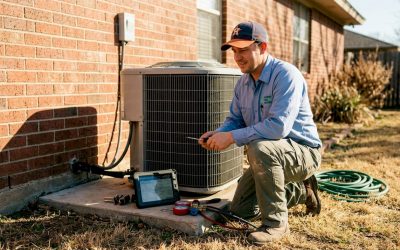
Central air conditioning systems represent the gold standard for home cooling in Texas, offering comprehensive temperature control across every room of your house. These powerful systems work by circulating cool air through a network of ducts and vents, ensuring consistent comfort in even the most challenging summer heat.
At its core, a central air conditioning system operates like a giant heat exchanger. A compressor and condenser unit located outside your home work together to remove heat from indoor air, then distribute the cooled air through strategically placed ductwork. This whole home approach delivers several significant advantages for homeowners:
- Uniform cooling throughout the entire house
- More energy efficient than multiple window units
- Improved indoor air quality through integrated filtration
- Quieter operation compared to individual room systems
When considering a central air system for your Texas home, you will want to pay attention to two critical factors: system size and energy efficiency. An undersized unit will struggle to cool your space, while an oversized system wastes energy and increases utility costs. Professional HVAC technicians can help you determine the perfect system by conducting a detailed load calculation that considers your home’s square footage, insulation quality, and local climate conditions.
Texas homeowners should also recognize that proper installation and regular maintenance of your central air system can significantly extend its lifespan and performance. Most modern central air systems can operate effectively for 10 to 15 years when carefully maintained, making them a solid long term investment for your home’s comfort and value.
Proper sizing, professional installation, and consistent maintenance transform a central air conditioning system from a simple appliance into a comprehensive home cooling solution that keeps you comfortable through the hottest Texas summers.
2. Ductless Mini Split Systems: Flexible and Efficient Comfort
Ductless mini split systems represent a revolutionary approach to home heating and cooling that offers unprecedented flexibility and efficiency for Texas homeowners. These compact systems provide targeted temperature control without the complexity of traditional ductwork, making them an ideal solution for homes with unique architectural layouts or specific comfort needs.
How Ductless Mini Split Systems Work
Unlike central air conditioning systems, ductless mini splits consist of two primary components: an outdoor compressor unit and one or more indoor air handling units. These units connect through a small conduit that requires only a tiny wall penetration, allowing for quick and minimally invasive installation. Explore the best mini split options for heating and cooling to understand their versatility.
Key Advantages of Ductless Mini Split Systems
- Allows zone based temperature control
- Eliminates ductwork energy losses
- Perfect for room additions or hard to cool spaces
- Provides both heating and cooling capabilities
- Significantly more energy efficient than traditional HVAC systems
Texas homeowners will appreciate the remarkable adaptability of these systems. Whether you are looking to cool a newly converted garage, manage temperature in a home office, or provide supplemental comfort in areas with poor airflow, ductless mini splits offer a targeted solution. Their compact design means you can install multiple indoor units connected to a single outdoor compressor, creating a customized cooling and heating network for your entire home.
The energy efficiency of ductless mini splits cannot be overstated. By eliminating the energy losses associated with traditional ductwork and providing zone based temperature control, these systems can help Texas homeowners reduce their overall energy consumption and lower monthly utility bills. Modern units often come with advanced features like programmable timers, sleep modes, and wireless remote controls that further enhance their convenience and efficiency.
Whether you live in a historic home, have recently added a room, or simply want more precise temperature management, ductless mini split systems provide a modern, flexible solution that adapts to your unique comfort needs.
3. Heat Pump Systems: Energy Saving Heating and Cooling
Heat pump systems represent a cutting edge solution for Texas homeowners seeking an efficient and versatile approach to home temperature management. These innovative systems can both heat and cool your home by transferring thermal energy between indoor and outdoor environments, making them an incredibly smart choice for regions with moderate temperature ranges.
How Heat Pump Systems Function
Unlike traditional heating and cooling systems that generate heat or cool air, heat pumps move existing thermal energy from one location to another. In summer, they extract heat from inside your home and transfer it outside, effectively cooling your living space. During winter, they reverse this process by pulling heat energy from the outdoor air and bringing it inside. Learn more about determining if a heat pump is the right heating solution for your specific needs.
Key Advantages of Heat Pump Technology
- Dramatically lower energy consumption
- Provides both heating and cooling functions
- Environmentally friendly alternative to combustion based systems
- Consistent temperature maintenance
- Reduced carbon footprint
Texas homeowners will find heat pumps particularly appealing due to their exceptional efficiency. Modern heat pump systems can deliver up to three times more energy than they consume, which translates into significant savings on monthly utility bills. This efficiency stems from their ability to move heat rather than generate it through electrical resistance or fuel combustion.
The adaptability of heat pump systems makes them ideal for Texas climate conditions. They perform exceptionally well in areas with mild winters and hot summers, precisely matching the environmental characteristics of many Texas regions. Advanced models now come equipped with supplemental electrical heating elements that can provide additional warmth during occasional cold snaps, ensuring your home remains comfortable year round.
When considering a heat pump system, focus on the Seasonal Energy Efficiency Ratio and Heat Seasonal Performance Factor ratings. These metrics provide insight into the system’s overall performance and can help you select a unit that maximizes both comfort and energy savings for your specific home requirements.
4. Packaged HVAC Units: Space Saving Solutions for Homes
Packaged HVAC units offer a compact and efficient solution for Texas homeowners with limited indoor space or unique architectural constraints. These all in one systems combine heating, cooling, and air handling components into a single external unit, typically installed on a roof or adjacent to the home, streamlining your home’s climate control infrastructure.
Understanding Packaged HVAC System Design
Unlike traditional split systems with separate indoor and outdoor components, packaged HVAC units consolidate all mechanical elements into one weatherproof cabinet. This design eliminates the need for complex indoor installations and provides a straightforward approach to home temperature management. Learn more about energy efficient HVAC solutions that can help optimize your home comfort.
Key Benefits of Packaged HVAC Units
- Ideal for homes with limited indoor mechanical space
- Simplified installation process
- Reduced indoor noise levels
- Excellent for homes with slab foundations or limited attic space
- Often more cost effective for initial installation
Texas homeowners will appreciate the versatility of packaged HVAC units. These systems come in multiple configurations including gas electric, heat pump, and all electric models. Each variation offers unique advantages depending on your specific home requirements and local climate conditions. For instance, gas electric units provide robust heating capacity during occasional cold snaps, while heat pump models excel in moderate temperature ranges.
The compact nature of packaged HVAC systems makes them particularly attractive for ranch style homes, mobile homes, and properties with constrained indoor mechanical areas. Their external placement reduces indoor mechanical clutter and provides easier access for maintenance and repairs. Modern units also incorporate advanced technologies like variable speed blowers and multi stage cooling capabilities, ensuring precise temperature control and enhanced energy efficiency.
When considering a packaged HVAC unit, focus on the system’s Seasonal Energy Efficiency Ratio and ensure proper sizing for your specific square footage. Professional HVAC technicians can help you select a unit that balances performance, efficiency, and your unique home comfort requirements.
5. Geothermal HVAC Systems: Eco Friendly and Cost Effective
Geothermal HVAC systems represent the pinnacle of energy efficient home climate control, harnessing the stable underground temperatures to provide exceptional heating and cooling. These innovative systems tap into the earth’s natural thermal energy, offering Texas homeowners a sustainable and remarkably efficient alternative to traditional HVAC technologies.
How Geothermal Systems Operate
Unlike conventional heating and cooling methods, geothermal systems utilize a network of underground pipes called ground loops. These loops circulate a special fluid that absorbs or releases heat depending on seasonal requirements. In summer, the system extracts heat from your home and transfers it underground. During winter, it pulls warmth from the earth to heat your living spaces. Learn about the potential rising costs of air conditioning systems to understand the long term financial benefits of such efficient technologies.
Key Advantages of Geothermal HVAC Systems
- Dramatically lower energy consumption
- Significantly reduced carbon footprint
- Extremely long system lifespan
- Consistent performance across seasons
- Minimal maintenance requirements
- Eligible for federal tax credits
Geothermal systems shine in Texas climate conditions. While initial installation costs can be higher than traditional systems, homeowners typically recoup their investment through substantial energy savings within 5 to 10 years. The underground loop system remains incredibly stable, with most manufacturers offering 50 year warranties on ground loop components and 20 to 25 year warranties on heat pump units.
The environmental benefits cannot be overstated. Geothermal systems produce zero direct carbon emissions and can reduce household energy consumption by up to 70% compared to conventional HVAC technologies. They operate silently, require minimal maintenance, and provide incredibly consistent indoor temperatures regardless of external weather conditions.
For Texas homeowners considering a geothermal system, professional site assessment is crucial. Factors like soil composition, available land area, and local geological conditions will determine the most appropriate ground loop configuration. Horizontal loops work best for properties with ample land, while vertical loops are ideal for smaller residential spaces or areas with challenging terrain.
6. Hybrid HVAC Systems: Combining Efficiency and Versatility
Hybrid HVAC systems represent the ultimate solution for Texas homeowners seeking maximum flexibility and energy efficiency in their home climate control. These innovative systems intelligently combine two or more heating or cooling technologies to optimize performance, automatically switching between energy sources to maximize comfort and minimize utility costs.
Understanding Hybrid HVAC Technology
Typically, a hybrid system pairs an electric heat pump with a gas furnace, creating a dynamic solution that adapts to changing temperature conditions. During mild weather, the heat pump operates efficiently, while the gas furnace takes over during extreme cold spells. Explore energy efficient HVAC options to understand how these systems can transform your home comfort.
Key Advantages of Hybrid HVAC Systems
- Automatic energy source selection
- Significant reduction in overall energy consumption
- Improved comfort across varying temperature ranges
- Lower utility bills
- Reduced environmental impact
- Enhanced system longevity
The true genius of hybrid HVAC systems lies in their intelligent control mechanisms. Advanced thermostats continuously monitor outdoor temperatures, energy prices, and system performance to make real time decisions about the most efficient heating or cooling method. This means you get optimal comfort without manually adjusting settings or worrying about energy waste.
For Texas homeowners, hybrid systems offer remarkable advantages. The region’s diverse climate ranges from mild winters to intense summer heat create the perfect environment for these adaptable systems. During moderate temperatures, the electric heat pump operates with remarkable efficiency. When temperatures drop dramatically or spike during summer heat waves, the system seamlessly transitions to the most appropriate energy source.
When considering a hybrid HVAC system, focus on the system’s ability to integrate different technologies smoothly. Look for models with advanced control systems that provide detailed energy usage reports and allow for customized programming. Professional installation is crucial to ensure proper integration and maximize the system’s potential efficiency and performance.
7. Commercial HVAC Systems: Large Scale Climate Control
Commercial HVAC systems represent the backbone of climate management for businesses, industrial facilities, and large institutional buildings. These robust systems go far beyond residential cooling and heating, delivering precise environmental control for complex spaces with multiple zones, specialized equipment, and unique occupancy requirements.
The Complex World of Commercial HVAC
Unlike residential systems, commercial HVAC technologies must address dramatically more complex challenges. They must manage air quality, temperature, humidity, and ventilation across expansive spaces while maintaining energy efficiency and meeting strict regulatory standards. Discover the comprehensive details of commercial HVAC systems to understand their critical role in modern infrastructure.
Key Characteristics of Commercial HVAC Systems
- Modular and scalable design
- Advanced zone control capabilities
- Sophisticated air quality management
- Integrated building management systems
- High efficiency performance standards
- Customizable for specific industry requirements
Modern commercial HVAC systems utilize cutting edge technologies like variable refrigerant flow systems, which allow precise temperature control in different building zones. These systems can simultaneously cool server rooms while maintaining comfortable temperatures in office spaces, all while optimizing energy consumption.
For Texas businesses, commercial HVAC systems must be particularly resilient. The state’s extreme temperature variations demand systems that can quickly adapt to rapid environmental changes. Advanced commercial units incorporate intelligent sensors and predictive maintenance technologies that monitor system performance in real time, identifying potential issues before they become costly breakdowns.
Business owners should prioritize regular professional maintenance for their commercial HVAC systems. Unlike residential units, these complex systems require specialized knowledge and periodic comprehensive inspections. Properly maintained commercial HVAC systems can significantly reduce operational costs, improve workplace comfort, and extend equipment lifespan by preventing unexpected failures and maintaining peak operational efficiency.
Below is a comprehensive table summarizing the main options and key considerations for various HVAC systems discussed in the article.
| Type | Features | Benefits | Considerations |
|---|---|---|---|
| Central Air Conditioning | Uses ducts for whole-home cooling, quieter, air filtration | Uniform temperature control, improved air quality, energy efficiency | Needs proper sizing, professional installation, regular maintenance |
| Ductless Mini Splits | No ductwork, individual zone control, compact | Energy efficiency, flexibility for additions | Suitable for unique layouts, can reduce energy losses |
| Heat Pumps | Transfers heat for heating/cooling, energy efficient | Low energy use, environmentally friendly | Best for moderate climates, requires suitable efficiency metrics |
| Packaged HVAC Units | All-in-one design, external installation | Space-saving, easier maintenance, reduced noise | Ideal for homes with limited space, ensure good energy rating |
| Geothermal HVAC | Uses underground loops for heating/cooling | Extremely low energy consumption, long lifespan | High initial cost, suitable for large areas, benefits from tax credits |
| Hybrid HVAC Systems | Combines heat pump and furnace | Reduced energy costs, automatic energy selection | Ideal for areas with variable climates, needs intelligent controls |
| Commercial HVAC Systems | Advanced zone control, scalable | Tailored for large spaces, integrates with building systems | Requires regular professional maintenance, suits complex spaces |
Take the Guesswork Out of Choosing Your Perfect HVAC System in Texas
If reading about all seven types of HVAC systems has left you wondering which solution truly fits your Texas home, you’re not alone. With options ranging from central air conditioning to advanced geothermal and hybrid systems, selecting the right system can be overwhelming. As a homeowner, you want cooling and heating that is efficient, reliable, and customized to your needs—but navigating installation, maintenance, and technology upgrades can be confusing and costly when you try to do it all yourself. Explore more insights and proven solutions in our Heating and Air Conditioning resource hub.

Your home’s comfort deserves expert attention. With more than 47 years of trusted service in Lake Jackson and across Texas, Colley Refrigeration offers a full suite of HVAC services. From professional load calculations for central air to seamless ductless mini split installation and ongoing HVAC maintenance, we simplify every step. Take advantage of our transparent pricing, 24/7 emergency service, and exclusive financing options—schedule your personalized estimate now and experience the dependable comfort your family deserves.
Frequently Asked Questions
What is the best HVAC system type for my Texas home?
Choosing the best HVAC system depends on your home’s design, size, and specific needs. Evaluate options like central air conditioning for whole-home cooling or ductless mini splits for targeted comfort. Consider conducting an assessment of your home’s layout and climate needs to identify the ideal system.
How do I determine the right size HVAC system for my house?
To find the right size HVAC system, perform a load calculation that considers your home’s square footage, insulation quality, and local climate conditions. An HVAC technician can assist you with this process to ensure efficient energy usage and comfort levels throughout your home.
How often should I maintain my HVAC system?
Regular maintenance for your HVAC system is recommended at least once a year, ideally before the peak heating or cooling seasons. Schedule a comprehensive inspection to keep the system running efficiently and to extend its lifespan, helping you avoid costly repairs.
What are the energy-saving benefits of hybrid HVAC systems?
Hybrid HVAC systems can significantly reduce overall energy consumption by automatically selecting the most efficient energy source based on current conditions. This can lead to lower utility bills, potentially decreasing costs by up to 30% during high-energy usage periods.
Are geothermal HVAC systems worth the initial investment?
Yes, although geothermal HVAC systems may have higher upfront costs, they offer substantial energy savings and a reduced carbon footprint over time. Expect to recoup your investment within 5 to 10 years through lower energy bills, making it a worthwhile consideration for eco-conscious homeowners.
How can I improve indoor air quality with my HVAC system?
To enhance indoor air quality, consider systems with integrated filtration like central air conditioning or look for ductless mini splits that offer air purification features. Regular maintenance and changing filters can also make a significant difference in maintaining a healthy living environment.