Over 75% of HVAC emergencies strike during brutal Texas summer heatwaves, pushing indoor temperatures to dangerous levels within hours. Many homeowners and business owners struggle to identify when a failing system crosses from inconvenience to genuine emergency. This guide clarifies what constitutes an HVAC emergency, common causes, health risks, and how to respond quickly to protect your property and occupants in extreme Texas weather.
Key Takeaways
| Point | Details |
|---|---|
| Emergency Definition | Total system failure, combined with an immediate health or safety risk, qualifies as an HVAC emergency. |
| Top Causes | Refrigerant leaks cause 35% of emergencies, compressor failures 25%, electrical faults 20%, and duct issues 15%. |
| Response Time Critical | Professional repair within 2 hours minimizes health risks and property damage in extreme conditions. |
| False Alarms Common | About 40% of perceived emergencies are maintenance issues that don’t require immediate intervention. |
| Texas Climate Factor | Summer heatwaves drive 75% of HVAC emergencies due to extreme stress on cooling systems. |
Understanding HVAC Emergencies: Definition and Criteria
An HVAC emergency involves a sudden system failure that disrupts the heating or cooling balance in a way that poses an immediate risk to occupant health or safety. Not every breakdown qualifies as urgent. Total system loss matters most when your AC dies during 90°F indoor heat or your furnace quits during a cold snap that could freeze pipes.
Threats to occupant health elevate urgency significantly. Heat exhaustion strikes vulnerable populations quickly when cooling fails in Texas summers. Carbon monoxide risks from malfunctioning furnaces or gas leaks demand immediate professional attention. Property damage potential also raises emergency status, particularly frozen pipes causing flooding or electrical hazards, sparking fire risks.
You can determine emergency status by evaluating these criteria:
- Complete system shutdown with no heating or cooling function
- Indoor temperature rising rapidly above 90°F or falling below freezing
- Unusual smells indicating gas leaks or electrical burning
- Visible smoke, sparks, or water leaks from HVAC equipment
- Vulnerable occupants present (elderly, infants, those with health conditions)
When these conditions align, especially in extreme Texas weather, you need emergency HVAC repair services immediately rather than waiting for regular business hours.
Common Causes That Trigger HVAC Emergencies
Mechanical and electrical failures drive most sudden HVAC breakdowns. Understanding what typically goes wrong helps you anticipate problems and recognize genuine emergencies faster. Refrigerant leaks cause 35% of HVAC emergencies; compressor failure 25%; electrical faults 20%; duct issues 15%, creating a clear hierarchy of failure points.
Refrigerant leaks trigger immediate cooling loss because your system cannot transfer heat effectively without adequate refrigerant levels. Compressor failures shut down the entire cooling cycle instantly since the compressor pumps refrigerant through the system. Both failures often occur during peak demand periods when Texas heat stresses components beyond normal operating limits.
Electrical problems range from tripped breakers to failed capacitors and burnt wiring. These failures prevent your HVAC from starting or cause mid-cycle shutdowns. Duct problems like major leaks or collapses reduce system efficiency dramatically, though they rarely constitute true emergencies unless combined with other failures.
| Failure Cause | Emergency Rate | Typical Repair Time | Risk Level |
|---|---|---|---|
| Refrigerant Leak | 35% | 2 to 4 hours | High |
| Compressor Failure | 25% | 3 to 6 hours | High |
| Electrical Fault | 20% | 1 to 3 hours | Medium to High |
| Duct Issues | 15% | 4 to 8 hours | Low to Medium |
| Other Components | 5% | Variable | Variable |
Texas environmental factors accelerate these failures. Prolonged 100°F outdoor temperatures force compressors to run continuously, increasing wear and thermal stress. Dust and debris clog components faster in dry conditions. Salt air in coastal areas corrodes electrical connections and refrigerant lines.
Pro Tip: Schedule biannual inspections focusing on refrigerant levels, compressor condition, and electrical connections to catch problems before they escalate into emergency HVAC repair situations during peak seasons.
Health, Safety, and Property Risks of HVAC Emergencies
The consequences of HVAC emergencies extend beyond discomfort to serious health threats and property damage. Heat exhaustion risk increases sharply when indoor temperature rises rapidly above 90°F, particularly affecting elderly residents, young children, and anyone with respiratory or cardiovascular conditions. Symptoms progress from fatigue and dizziness to dangerous heat stroke requiring medical intervention.

Winter heating failures create different but equally serious risks. Frozen pipes burst when temperatures drop, causing extensive water damage and costly repairs. Mold growth follows water intrusion, creating long-term health hazards and property devaluation. Gas furnace malfunctions can leak carbon monoxide, an odorless, deadly gas that demands immediate evacuation and professional service.
Property damage amplifies repair costs significantly. A simple compressor failure costing $1,500 to fix can balloon to $10,000 when delayed repair allows frozen pipes to flood your home. Business operations suffer when HVAC failures force closures or create uncomfortable conditions that drive customers away.
Key risks demanding immediate professional response include:
- Heat-related illness in vulnerable occupants within 2 to 4 hours of AC failure
- Frozen pipes bursting when indoor temperature drops below 32°F
- Carbon monoxide poisoning from malfunctioning gas furnaces or heaters
- Water damage from condensate overflow or refrigerant line freezing
- Mold growth starting within 24 to 48 hours of water intrusion
- Electrical fire hazards from overheating components or damaged wiring
Recognizing signs your HVAC needs repair early prevents these escalating consequences. Immediate professional intervention reduces health threats and secondary damages substantially compared to a delayed response.
Common Misconceptions About HVAC Emergencies
Many homeowners misjudge when their HVAC situation requires emergency service versus scheduled maintenance. About 40% of calls labeled emergencies actually involve issues that can wait for regular business hours without significant risk. Understanding these distinctions saves money and ensures genuine emergencies receive priority attention.
Unusual noises often alarm homeowners unnecessarily. While banging, screeching, or rattling sounds indicate problems needing attention, they rarely constitute emergencies unless accompanied by complete system failure or safety hazards. High energy bills similarly signal efficiency problems requiring maintenance rather than immediate emergency repair.
Another misconception assumes HVAC emergencies only occur during the summer cooling season. Winter heating failures create equally urgent situations, particularly in Texas, where homes lack robust insulation designed for sustained cold. A furnace dying during a rare freeze poses immediate frozen pipe risks that summer AC failures never create.
Some believe any HVAC breakdown demands emergency service rates and immediate technician dispatch. Reality differs significantly. Proper evaluation determines urgency level:
- Not Emergency: Reduced efficiency, minor leaks, strange sounds with functioning system, single room temperature issues
- Possibly Emergency: Intermittent system cycling, moderate temperature loss, unusual odors without a gas smell
- Definite Emergency: Complete system failure, gas odors, electrical burning smells, rapid, dangerous temperature changes, visible smoke or sparks
Many assume DIY fixes suffice for emergencies. Attempting refrigerant recharge or electrical repairs without proper training creates safety hazards and often worsens damage. Professional diagnosis identifies root causes that temporary fixes mask, preventing recurring failures.
Understanding when deciding if HVAC repair is urgent requires professional assessment to prevent both unnecessary emergency service costs and dangerous delays in genuine crises.
Decision Framework: When and How to Act on HVAC Emergencies
A systematic approach helps you evaluate HVAC problems quickly and respond appropriately. Follow these four steps when your system fails:
- Assess symptom severity by checking if the system produces any heating or cooling versus a complete shutdown.
- Evaluate occupant risk by identifying vulnerable individuals present and the current indoor temperature trajectory.
- Check environmental factors, including outdoor temperature extremes and weather forecasts predicting prolonged conditions.
- Contact professionals immediately if any safety hazards exist or conditions threaten health within hours.
Prioritize based on how quickly the indoor temperature moves toward dangerous levels. A 75°F starting point rising 5°F per hour toward 90°F gives you roughly 3 hours before serious heat exhaustion risk emerges. A 65°F starting point dropping 3°F per hour toward freezing provides about 11 hours before pipe freeze concerns arise.
Vulnerability factors compress these timelines significantly. Infants and elderly adults experience heat-related illness at lower temperatures than healthy adults. Anyone with respiratory conditions suffers more quickly in extreme heat or cold. Medical equipment requiring specific temperature ranges demands immediate action.
Mechanical hazards require instant professional response regardless of temperature concerns:
- Gas odors indicate potential leaks
- Electrical burning smells or visible sparks
- Smoke emerging from HVAC equipment
- Water pooling around units or from ceilings
- Loud banging or grinding, suggesting imminent mechanical failure
| Situation | Response Time | Service Type | Typical Cost | Risk Level |
|---|---|---|---|---|
| Complete AC failure, 95°F+ outdoors, vulnerable occupants | Immediate (under 2 hours) | Emergency Repair | $200 to $500+ | Critical |
| Complete heating failure, below 32°F outdoors | Immediate (under 2 hours) | Emergency Repair | $200 to $500+ | Critical |
| Gas odor or electrical burning smell | Immediate evacuation + service | Emergency Repair | $150 to $400+ | Critical |
| Reduced cooling, manageable indoor temp | Same day or next day | Priority Repair | $100 to $300 | Moderate |
| Strange noises, system still functioning | Within 1 week | Scheduled Maintenance | $75 to $200 | Low |
Pro Tip: Create an emergency checklist before problems strike, listing your HVAC model number, age, recent service dates, and 24/7 emergency contact numbers for certified local technicians to streamline response when stress runs high.
Understanding the HVAC repair decision framework and knowing when HVAC repair vs replacement makes financial sense helps you make informed choices even during high-pressure emergencies.
Professional Emergency HVAC Repair Services: What to Expect
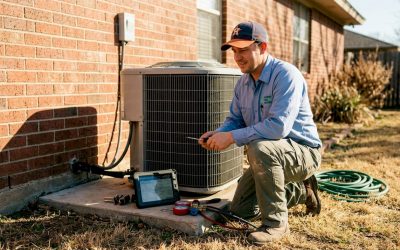
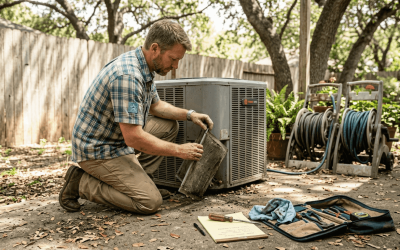
Professional emergency HVAC services in Texas typically respond within 2 hours to minimize discomfort and prevent escalating damage. Certified technicians arrive equipped with diagnostic tools and common replacement parts to resolve most emergencies during the initial visit. This rapid intervention reduces downtime substantially compared to waiting for regular business hours.
Emergency service includes a comprehensive system diagnosis, identifying the root causes rather than applying temporary patches. Technicians check refrigerant levels, electrical connections, compressor function, thermostat calibration, and airflow throughout your system. They explain findings clearly and provide transparent pricing before beginning repairs.
Services typically cover immediate needs:
- Complete system diagnosis using specialized testing equipment
- Emergency refrigerant leak detection and repair
- Compressor replacement or electrical component repairs
- Thermostat troubleshooting and recalibration
- Duct inspection for major leaks or disconnections
- Safety checks for gas leaks and carbon monoxide risks
- Temporary cooling or heating solutions if parts require ordering
Professional repair prevents costly secondary damage. A $400 emergency compressor repair completed within 2 hours saves thousands in potential water damage, frozen pipes, or heat-related health issues compared to waiting 12 to 24 hours for regular service. Business operations resume faster, minimizing revenue loss from closure or uncomfortable conditions.
Quality emergency services provide clear communication throughout the process. Technicians explain what failed, why it happened, and steps to prevent recurrence. They offer maintenance recommendations and discuss system age relative to expected lifespan, helping you plan for eventual replacement if repairs become uneconomical.
Pro Tip: Before emergency strikes, verify that your chosen HVAC company maintains proper licensing, insurance, and 24/7 availability with real technicians on call rather than just answering services that schedule next-day appointments.
Exploring emergency HVAC repair services, recognizing signs your HVAC needs repair early, and understanding AC service in Texas requirements help you choose qualified professionals confidently when urgency matters most.
Local Texas Climate Impact on HVAC Emergency Frequency and Severity
Texas experiences HVAC emergency rates approximately 30% higher than national averages due to extreme climate conditions, stressing systems beyond typical operating parameters. Summer heatwaves drive 75% of these emergencies as sustained 100°F+ outdoor temperatures force air conditioning units to run continuously for weeks, accelerating component wear and increasing catastrophic failure probability.
Prolonged extreme heat creates compounding stress factors. Compressors designed for intermittent cycling overheat when running 20+ hours daily. Refrigerant pressures exceed normal ranges, stressing seals and connections until leaks develop. Electrical components carrying maximum amperage for extended periods fail from thermal stress. These failures cluster during peak demand when replacement parts become scarce, and technician availability tightens.
Winter cold snaps create different emergency patterns. Though less frequent than summer events, Texas winter HVAC failures often prove more damaging due to frozen pipe risks and inadequate home insulation designed primarily for heat management. A heating system failure during a rare 20°F night can cause $5,000 to $15,000 in pipe burst damage within 8 to 12 hours.
| Climate Factor | Texas Rate | National Average | Emergency Type | Peak Season |
|---|---|---|---|---|
| Extreme Heat Events | 45 days/year | 15 days/year | Cooling Failure | June to August |
| Temperature Above 95°F | 90 days/year | 30 days/year | AC Breakdown | July to September |
| Freeze Events | 3 days/year | 25 days/year | Heating Failure | December to February |
| Humidity Extremes | 60+ days/year | 40 days/year | System Strain | May to September |
Coastal areas face additional challenges from salt air, accelerating corrosion on outdoor units and refrigerant lines. Inland regions contend with dust and debris clogging condenser coils and reducing efficiency before triggering failures. These regional variations affect emergency frequency and optimal maintenance schedules.
Climate impacts extend beyond immediate failures to influence system longevity. HVAC units in Texas average 10 to 12 year lifespans compared to 15 to 20 years in moderate climates. This accelerated aging increases emergency probability as systems approach the end of life, making proactive replacement timing crucial for avoiding mid-summer breakdowns.
Following an HVAC maintenance checklist, Texas homeowners specifically address these climate-driven stress factors, reducing emergency frequency through targeted preventive care.
Summary: Protecting Yourself From HVAC Emergencies
Recognizing true HVAC emergencies and responding promptly protects your health, property, and financial well-being during extreme Texas weather. Total system failures combined with dangerous temperature changes or safety hazards demand immediate professional intervention within 2 hours to minimize risks and damage.
Understanding common causes helps you anticipate problems. Refrigerant leaks and compressor failures trigger most emergencies, especially during sustained heat when systems operate under maximum stress. Regular maintenance focusing on these vulnerable components prevents many breakdowns before they escalate.
Texas climate drives unique emergency patterns. Summer heatwaves cause 75% of HVAC failures due to extreme thermal stress on cooling components. Winter freezes create serious risks despite shorter duration. Your response strategy must account for these regional factors and their health implications.
Key protection strategies include:
- Schedule biannual professional inspections before peak summer and winter seasons
- Maintain emergency contact numbers for certified 24/7 HVAC services
- Monitor vulnerable occupants closely during extreme weather events
- Replace aging systems proactively before emergency failures occur
- Understand the difference between genuine emergencies and maintenance issues
- Keep the HVAC area clear for technician access during urgent repairs
“The difference between a $400 emergency repair and a $10,000 property damage claim often comes down to response time. When genuine HVAC emergencies strike, immediate professional intervention isn’t optional; it’s essential protection for your family and investment.” — HVAC Industry Expert
Preventive maintenance remains your strongest defense. While you cannot eliminate all emergency risks, sustainable practices prevent many failures through systematic care addressing wear before catastrophic breakdowns occur.
Reliable Emergency HVAC Services in Texas: Fast, Trusted Help When It Matters
When HVAC emergencies strike, Colley Refrigeration delivers expert 24/7 response throughout the Lake Jackson area and surrounding Texas communities. Our certified technicians respond within 2 hours, equipped to diagnose and repair most emergencies during the initial visit.

With over 47 years of experience, we understand how the Texas climate creates unique HVAC challenges. Our emergency services cover complete system failures, refrigerant leaks, compressor replacements, and all heating and cooling breakdowns affecting residential and commercial properties. Transparent upfront pricing means no surprise charges when you need help most.
Our comprehensive emergency HVAC repair services minimize downtime and prevent secondary damage. We handle everything from urgent repairs to complete HVAC repair and installation in Lake Jackson, ensuring your comfort and safety year-round. Understanding our HVAC installation process helps you make informed decisions when emergencies reveal that replacement makes more financial sense than repeated repairs.
Frequently Asked Questions About HVAC Emergencies
What qualifies as an HVAC emergency in Texas?
Complete system failure combined with dangerous indoor temperatures or safety hazards constitutes an emergency. This includes AC breakdown when indoor temperatures exceed 90°F with vulnerable occupants present, heating failure risking frozen pipes below 32°F, gas odors, electrical burning smells, or visible smoke from HVAC equipment.
How fast should I call for emergency HVAC repair?
Call immediately when you detect safety hazards like gas odors or electrical problems. For temperature-related failures, contact professionals within 1 hour if vulnerable occupants are present or the indoor temperature moves rapidly toward dangerous levels. Faster response prevents health risks and secondary property damage.
Can I safely wait if my AC stops working during a mild day?
Yes, if the outdoor temperature stays below 85°F and your home maintains a comfortable indoor temperature, you can typically wait for next-day service. Monitor indoor conditions closely and check weather forecasts. Call for emergency service if conditions deteriorate or forecasts predict sustained heat.
What are the signs of dangerous HVAC emergencies, like gas leaks?
Gas leaks produce distinctive rotten egg odors from added mercaptan. Other critical signs include hissing sounds near gas lines, dead vegetation around outdoor units, physical symptoms like headaches or nausea, and pilot lights that won’t stay lit. Evacuate immediately and call professionals from outside your home.
Are 24/7 emergency HVAC services available statewide in Texas?
Most major Texas cities and surrounding areas have 24/7 emergency HVAC services, though rural areas may have limited options. Verify emergency availability before you need it by checking if companies maintain on-call technicians versus answering services scheduling next-day appointments. Understanding HVAC repair urgency guidelines helps you evaluate service options effectively.
How much does emergency HVAC repair typically cost compared to regular service?
Emergency service typically costs $150 to $300 more than regular hours due to after-hours premiums and rapid response requirements. However, this premium often saves thousands by preventing secondary damage like frozen pipes, water intrusion, or prolonged business closures that cost far more than the emergency service differential.