Did you know that heating and cooling account for nearly half of the average home’s energy use in the United States? With climates getting hotter and more unpredictable each year, choosing the right HVAC system has never mattered more for keeping your home comfortable and saving on energy bills. Understanding the technology, types, benefits, and maintenance needs behind HVAC systems helps you make smarter decisions for your comfort and wallet.
Key Takeaways
| Point | Details |
|---|---|
| Comprehensive HVAC Understanding | HVAC systems go beyond temperature control, incorporating complex components for enhanced air quality and comfort. |
| Types of HVAC Systems | Various configurations, including split and packaged systems, cater to diverse residential and commercial needs. |
| Maintenance Importance | Regular maintenance is crucial for system efficiency and longevity, preventing costly repairs and ensuring optimal performance. |
| Texas-Specific Benefits | High-efficiency HVAC systems are essential in Texas for comfort and energy savings, effectively managing both cooling costs and indoor air quality. |
Defining HVAC: Core Concepts and Misconceptions
HVAC represents a sophisticated system designed to manage indoor environmental comfort. According to bsesc, this acronym stands for Heating, Ventilation, and Air-Conditioning – a comprehensive approach to regulating temperature, humidity, and air quality in residential and commercial spaces.
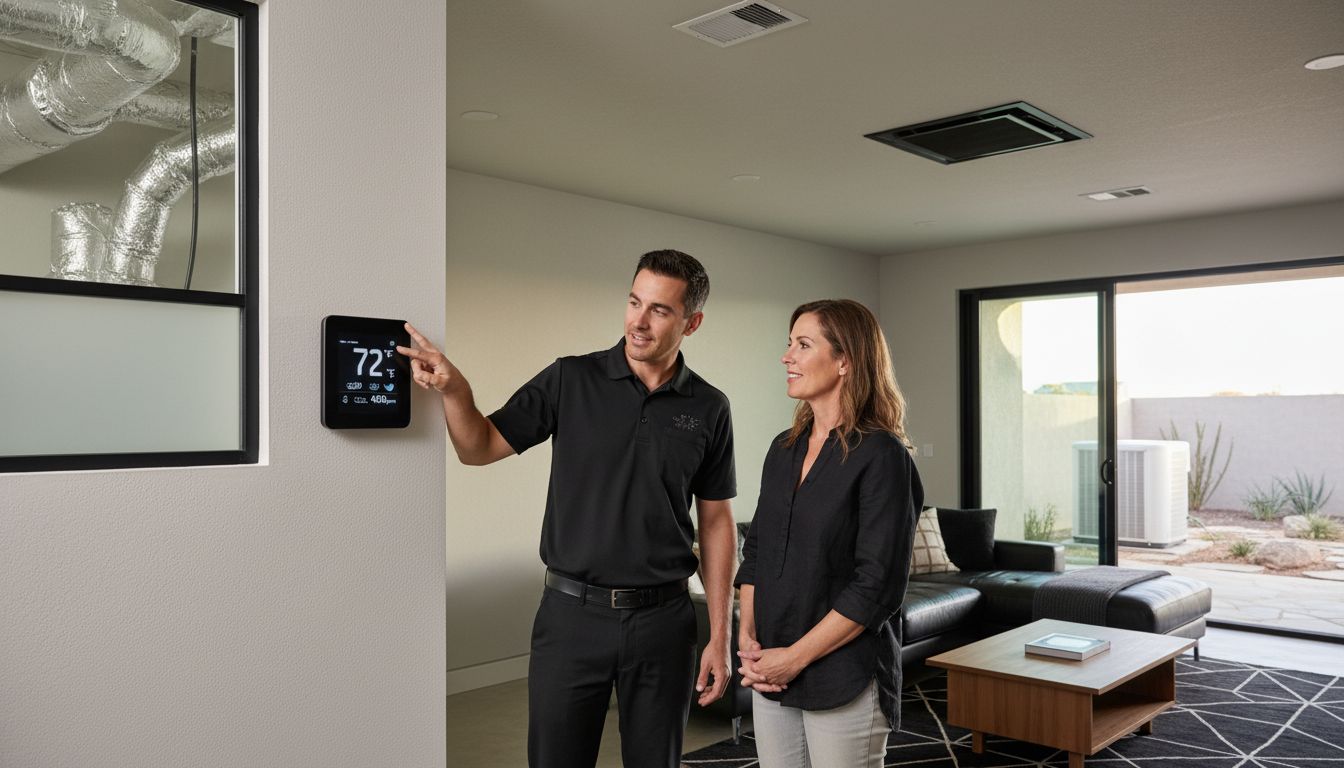
At its core, an HVAC system is more than just a temperature control mechanism. Facilities explains that these systems incorporate complex mechanical components like compressors, boilers, furnaces, and intricate ventilation networks including ducts and smart controls such as thermostats. Modern systems range from centralized setups serving entire buildings to more targeted solutions for specific zones.
Common misconceptions about HVAC often revolve around its complexity and perceived inefficiency. However, high-performance systems can actually deliver significant benefits:
- Substantial energy savings
- Lower utility costs
- Enhanced indoor comfort
- Improved air quality
- Extended equipment durability
Understanding these core concepts helps homeowners and businesses make informed decisions about their climate control infrastructure. When considering an HVAC system, it’s crucial to recognize that this isn’t just about temperature – it’s about creating an optimal living and working environment.
For those wanting to dive deeper into understanding nuanced HVAC technologies, our guide on energy-efficient HVAC provides comprehensive insights into modern system capabilities.
Different Types of HVAC Systems Explained
HVAC systems are not one-size-fits-all solutions. According to energyresearch, these systems come in diverse configurations designed to meet specific residential and commercial needs, ranging from cooling-only split systems to more complex integrated solutions.
bsesc highlights the primary HVAC system types that homeowners and businesses typically encounter:
- Split Systems: Most common residential setup with indoor and outdoor components
- Packaged Systems: Compact units with all components housed in a single cabinet
- Heat Pumps: Versatile systems providing both heating and cooling
- Window Air Conditioners: Compact units ideal for smaller spaces
- Packaged Terminal Heat Pumps: Frequently used in hotels and multi-unit buildings
Each system offers unique advantages depending on space requirements, energy efficiency goals, and budget constraints.
For instance, split systems provide flexibility and targeted cooling, while packaged systems work best in areas with limited indoor space.
Here’s a quick comparison of the primary HVAC system types and their key pros:
| HVAC System Type | Typical Usage | Key Advantages |
|---|---|---|
| Split System | Most homes | Flexible Highly efficient |
| Packaged System | Homes with limited space | Compact Easy installation |
| Heat Pump | Homes needing both heating/cooling | Year-round comfort Energy savings |
| Window Air Conditioner | Small rooms and apartments | Low cost Easy setup |
| Packaged Terminal Heat Pump | Hotels Multi-unit buildings |
Independent room control Energy-efficient |
For Texas residents looking to understand which HVAC configuration might suit their specific needs, our guide on heat pump systems can provide deeper insights into selecting the right heating and cooling solution for your home or business.
How HVAC Systems Operate in Practice
Understanding the inner workings of HVAC systems reveals a complex dance of temperature regulation and air management. energy.gov explains that central air conditioning systems operate through an intricate network of supply and return ducts, where cool air is strategically delivered to different spaces while simultaneously pulling warmer air back to the central system for recirculation.
The core functionality varies depending on system configuration. According to energy, HVAC systems can be designed in multiple formats:
- Single-Zone Systems: Controlled by a single thermostat
- Multi-Zone Systems: Serving multiple spaces with individual temperature controls
- Heat Generation Methods:
- Furnaces
- Electric resistance units
- Solar panel integration
- Heat pumps extracting warmth from air, water, or ground
Each system component plays a crucial role in maintaining indoor comfort. The process involves heat transfer, air circulation, and precise temperature management – transforming your indoor environment from uncomfortable to perfectly balanced.
For Texas residents seeking to optimize their home’s climate control, our guide on understanding AC and HVAC differences offers additional insights into selecting the right system for your specific needs.
Key Features and Benefits for Texas Clients
In the intense Texas heat, HVAC systems are more than a luxury – they’re a necessity. energyresearch highlights that high-efficiency systems are crucial for maintaining comfort while dramatically reducing energy consumption, especially in challenging climates like ours.
Specifically for Texas homeowners, key benefits include:
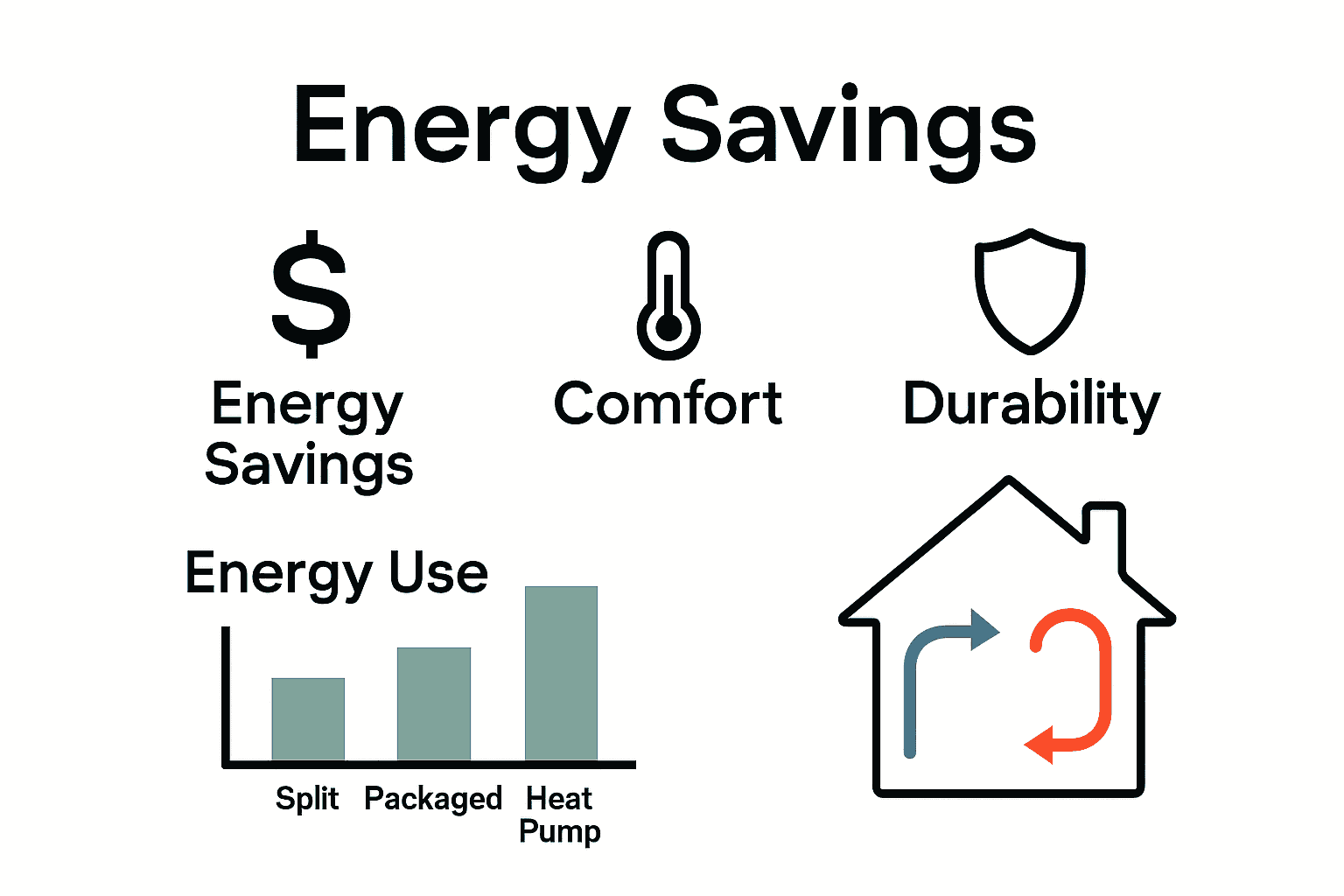
- Energy Cost Savings: High SEER-rated systems can significantly lower monthly cooling expenses
- Enhanced Comfort: Precise temperature and humidity control
- System Durability: Properly sized units experience less strain
- Indoor Air Quality: Advanced filtration protecting against Texas dust and allergens
- Zoned Temperature Management: Customized cooling for different home areas
energy.gov recommends strategic approaches to maximize efficiency, such as setting your central air system’s fan to ‘auto’ mode and utilizing circulating fans in individual rooms. These simple adjustments can make a substantial difference in both comfort and energy consumption.
For Texas residents looking to dive deeper into optimizing their home’s climate control, our guide on why HVAC systems are critical for Texas homes provides additional insights into making the most of your cooling system.
HVAC Maintenance, Costs, and Common Mistakes
HVAC system maintenance is not just a recommendation – it’s a critical investment in your home’s comfort and efficiency. energy.gov emphasizes that proper installation and strategic selection are fundamental to achieving optimal performance, highlighting the importance of creating adequate space for maintenance and choosing energy-efficient models.
Common maintenance tasks that can prevent costly repairs include:
- Regular Filter Replacement: Keeps air quality high and system efficiency optimal
- Refrigerant Level Checks: Ensures system operates at peak performance
- Duct Inspection: Prevents air leaks and improves overall system efficiency
- Annual Professional Tune-ups: Catches potential issues before they become expensive problems
- Cleaning External Units: Removes debris that can impair system function
energyresearch warns that neglecting maintenance can lead to significantly increased energy consumption and higher operational costs. Homeowners who skip routine care may face unexpected breakdowns and substantially higher repair or replacement expenses.
For Texas residents looking to protect their HVAC investment, our guide on the importance of preventative maintenance provides comprehensive insights into keeping your system running smoothly and efficiently.
Trusted HVAC Solutions Tailored for Texas Homes and Businesses
Navigating the complex world of HVAC systems can be overwhelming with so many options like split systems, heat pumps, and centralized air conditioning. If you want to avoid costly mistakes and enjoy long-lasting comfort in your Texas home or business, understanding proper installation and maintenance is key. Our experienced team at Colley Refrigeration understands what it takes to optimize your system for energy savings and improved indoor air quality.

Explore our expert advice and hands-on service through the Heating and Air Conditioning Archives – Colley Refrigeration and protect your investment with tips from our HVAC maintenance Archives – Colley Refrigeration. Ready to experience reliable comfort with transparent pricing backed by over 47 years of local expertise? Visit Colley Refrigeration today and take the first step toward a smarter climate control solution for your property.
Frequently Asked Questions
What are the main components of an HVAC system?
An HVAC system typically includes components such as compressors, boilers, furnaces, ventilation networks (including ducts), and smart controls like thermostats to regulate indoor temperature and air quality.
How does a split HVAC system work?
A split HVAC system consists of indoor and outdoor components. The indoor unit receives cool air from the outdoor unit and distributes it through ductwork, while also pulling warm air back to be cooled again.
What are the benefits of energy-efficient HVAC systems?
Energy-efficient HVAC systems offer substantial benefits including significant energy cost savings, enhanced indoor comfort, improved air quality, and increased durability of the system, given that they operate efficiently and handle the load with less strain.
How can I maintain my HVAC system effectively?
Effective maintenance of your HVAC system includes regular filter replacements, checking refrigerant levels, inspecting ducts for leaks, scheduling annual professional tune-ups, and cleaning external units to remove debris and ensure optimal function.